Average response time: under 24 hours
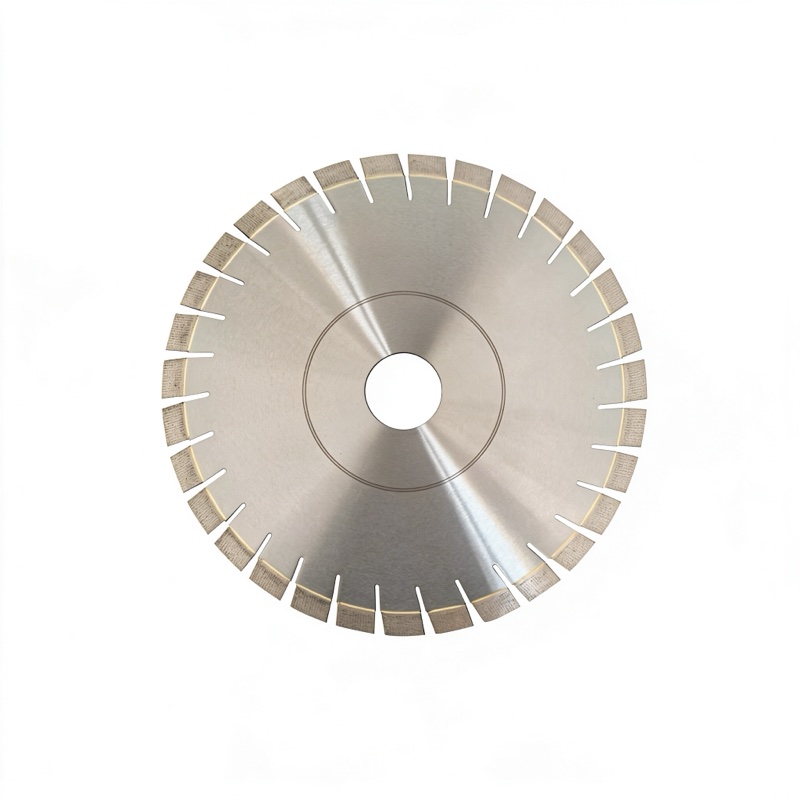
The Arix ordered-segment diamond saw blade is a strong choice for asphalt because its irregular segment spacing prevents the glazing and vibration that plague standard blades on soft, abrasive pavement. Paired with a hard bond that resists the sandpaper effect of asphalt, it cuts clean, straight joints and patches with less machine strain.
Asphalt is soft but abrasive — its sand and aggregate erode the bond matrix quickly. If the bond is too soft the blade wears out early; if too hard the segments glaze and the cut slows. The Arix design keeps the cutting face working consistently by exposing fresh diamonds evenly around the rim, avoiding the 'dead spots' that form on uniform segment patterns.
A: Uniform segments develop a consistent contact rhythm that polishes the bond instead of cutting. The Arix ordered layout breaks that rhythm and keeps segments self-sharpening.
A: Yes, with the combination-bond version — it handles asphalt on top and concrete underneath without changing blades.
A: Strongly recommended on road cuts — it cools the segments, flushes slurry and controls dust.
A: Roughly one-third of the blade diameter per pass. Use the largest diameter your road saw accepts for deep pavement cuts.
For clean, fast pavement joints and patches, the Arix ordered-segment blade pairs the right bond for abrasive asphalt with a segment layout that stays sharp and steady. Choose the dedicated asphalt or combination version to match your road, run it wet, and the blade will do the rest.
Written and reviewed by JOY TECH — an SGS & BV audited, CE/RoHS certified diamond tools manufacturer founded in 2004, exporting to 50+ countries.
Our factory and QMS are audited by SGS and Bureau Veritas. Products meet CE/RoHS requirements and every piece is 100% inspected before packing.
Verified Certificates
