Latest updates from JOY TECH
2026-09-12
Quick Answer JOY TECH (Xiamen Joy Technology Co., Ltd.) is a factory-direct diamond tools manufacturer founded in 2004, with over 20 years o…
2026-08-30
Quick Answer Metal-bonded diamond tools use a sintered metal matrix (copper, iron, cobalt alloys) to hold diamond particles, offering extrem…
2026-08-30
Quick Answer Laser-welded diamond blades use a laser to fuse segments to the steel core, creating a bond stronger than the segment itself — …
2026-08-30
Quick Answer Wet grinding uses water to cool diamond segments, reduce dust, and extend tool life by 30-50%, producing a smoother finish — bu…
2026-09-12
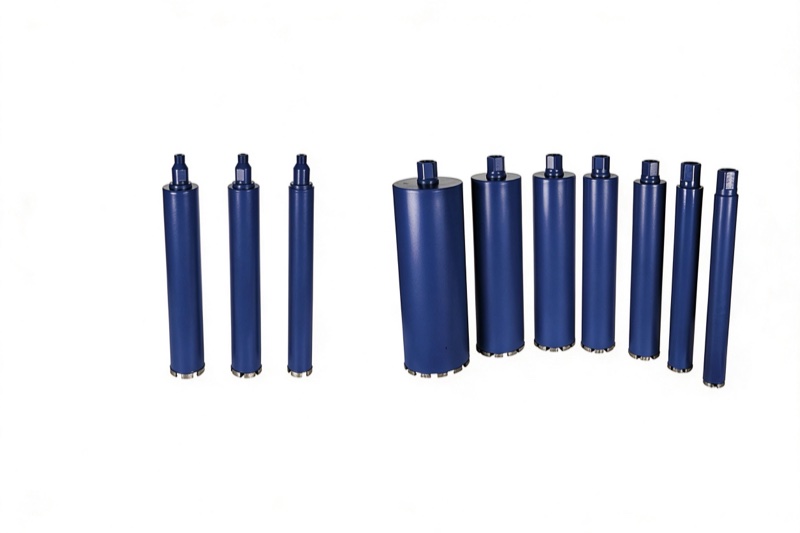
Quick Answer Choose a wet diamond core drill bit for reinforced concrete, brick and asphalt when water supply is available — it cuts faster …
2026-09-12
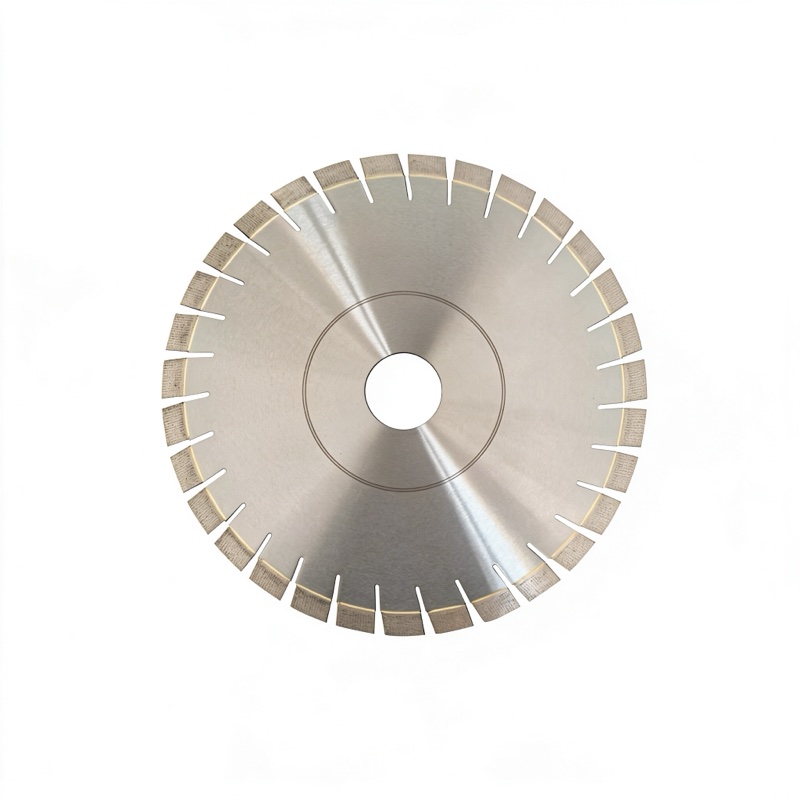
Quick Answer The Arix ordered-segment diamond saw blade cuts reinforced concrete faster and with less vibration than standard blades. Its ir…
2026-09-12
Quick Answer The Arix ordered-segment diamond saw blade is a strong choice for asphalt because its irregular segment spacing prevents the gl…
2026-09-12
Quick Answer The Arix ordered-segment diamond saw blade is a high-performance choice for granite: the irregular segment layout reduces vibra…
2026-09-12
Quick Answer The Arix ordered-segment diamond saw blade cuts marble with a smooth, chip-free edge because its irregular segment layout elimi…
2026-09-14
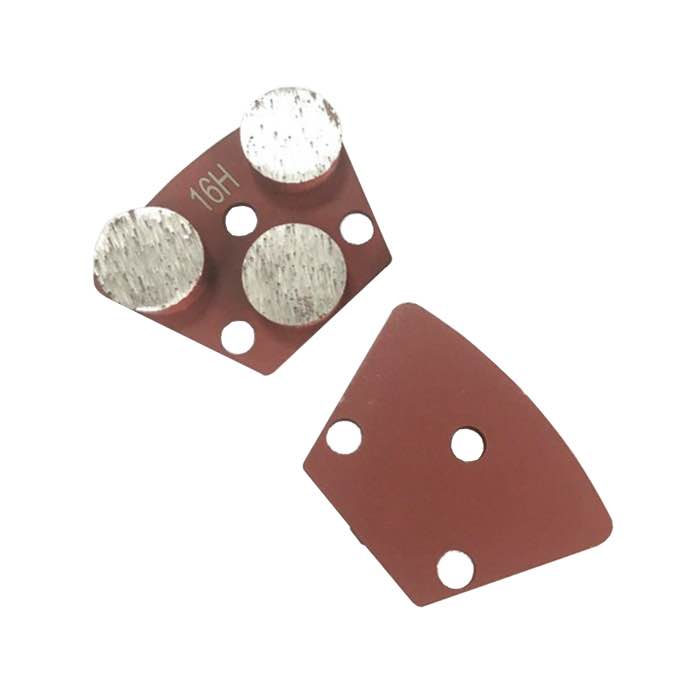
Quick Answer Choose diamond grinding segments by matching three factors to your concrete: bond hardness (soft bond for hard concrete, hard b…
2026-09-14
Quick Answer Hard concrete needs a soft bond and soft concrete needs a hard bond . Diamond tools self-sharpen when the metal bond wears away…
2026-09-14
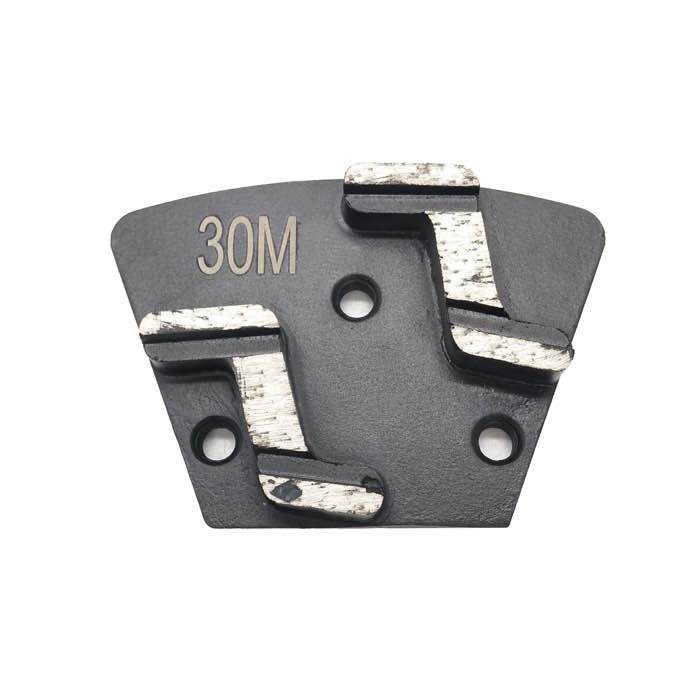
Quick Answer Use metal bond tools for aggressive grinding, coating removal and cutting — they last 5-10x longer and remove material fast. Us…
2026-09-15
Quick Answer Your diamond tool glazes when the metal bond wears slower than the diamonds , so the exposed diamond crystals become smooth and…
2026-09-15
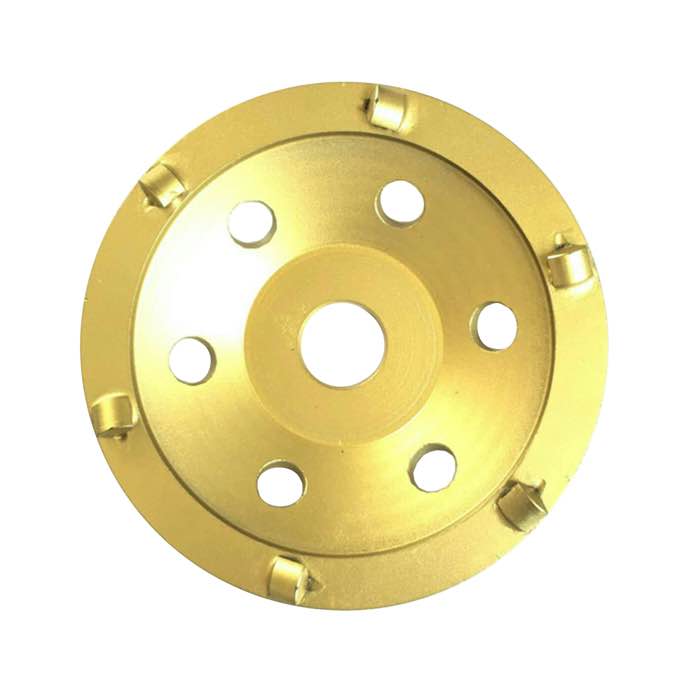
Quick Answer Use PCD (polycrystalline diamond) tooling on a floor grinder to shear epoxy, urethane, acrylic and most coatings off concrete —…
2026-09-15
Quick Answer The standard concrete grinding sequence moves from coarse metal bond (30/40 or 50/60) through medium metal bond (80/100) to res…
2026-09-15
Quick Answer Most concrete floors need 4 to 8 grinding passes to go from raw slab to a polished finish: 1-2 passes for surface prep and coat…
2026-09-15
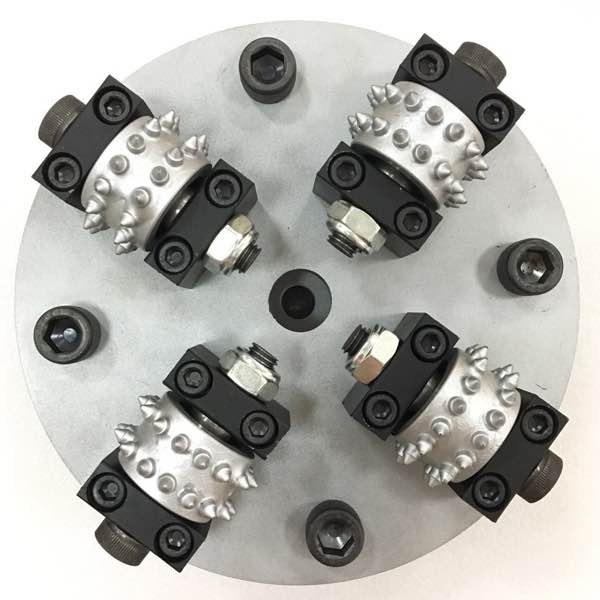
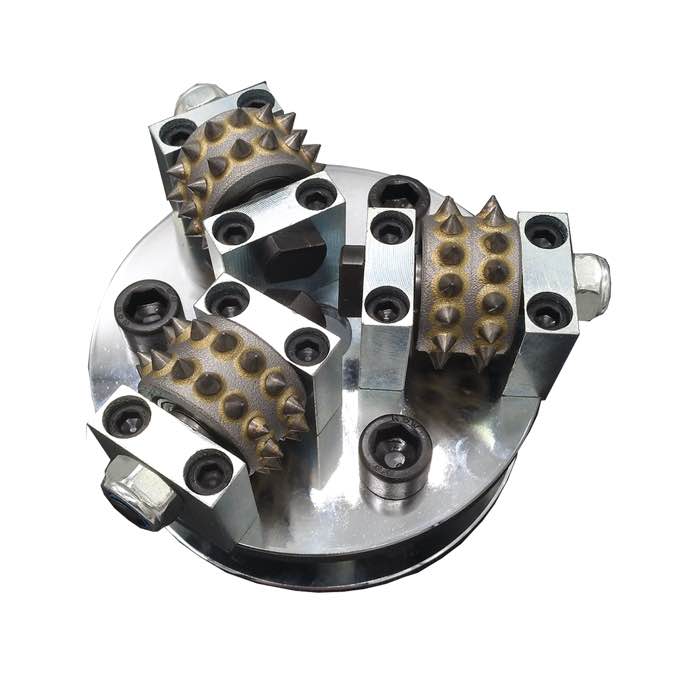
Quick Answer A bush hammer plate is a metal-bonded diamond tool covered with small pyramid-shaped teeth (pins, rollers or traps) that chip a…
2026-09-15
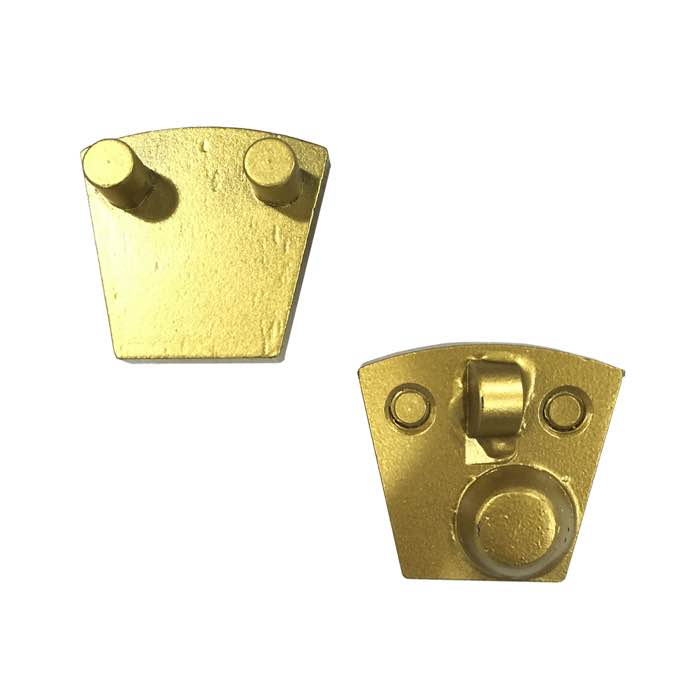
Quick Answer For removing thick coatings like epoxy, glue and mastic, PCD (polycrystalline diamond) tooling wins — it scrapes and shatters t…
2026-09-16
Quick Answer Tooling size is dictated by your machine's drive plate and shroud, not by preference. Common concrete grinders take 2-inch, 3-i…
2026-09-16
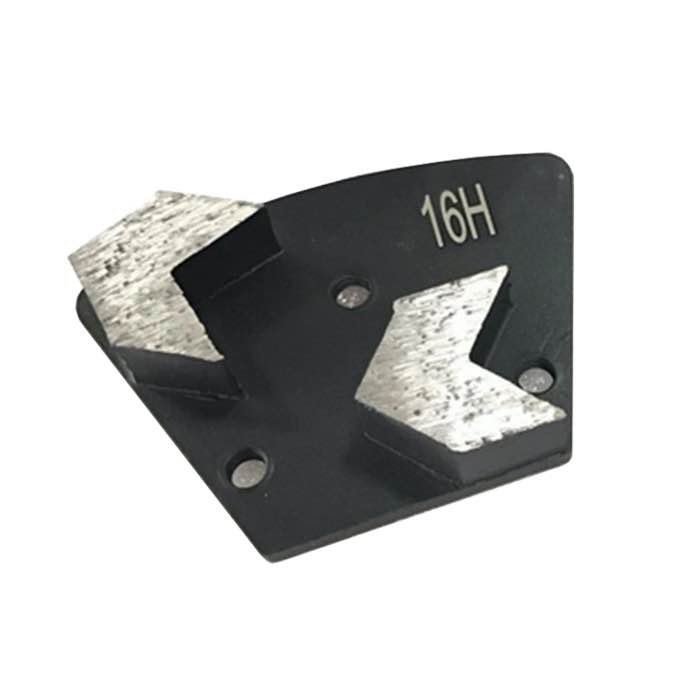
Quick Answer Use PCD tooling for coating and adhesive removal , standard segments for flat surface grinding , trapezoid tooling for fast sto…
2026-09-16
Quick Answer Use a Mohs scratch test with common objects (fingernail, coin, knife, file) or a rebound hammer to estimate concrete hardness, …
2026-09-16
Quick Answer Fast segment wear almost always comes from one of five causes: a bond that is too soft for the concrete, excessive machine pres…
2026-09-16
Quick Answer For hard concrete, use a soft (aggressive) bond at moderate speed so segments self-sharpen; for soft concrete, use a hard bond …
2026-09-16
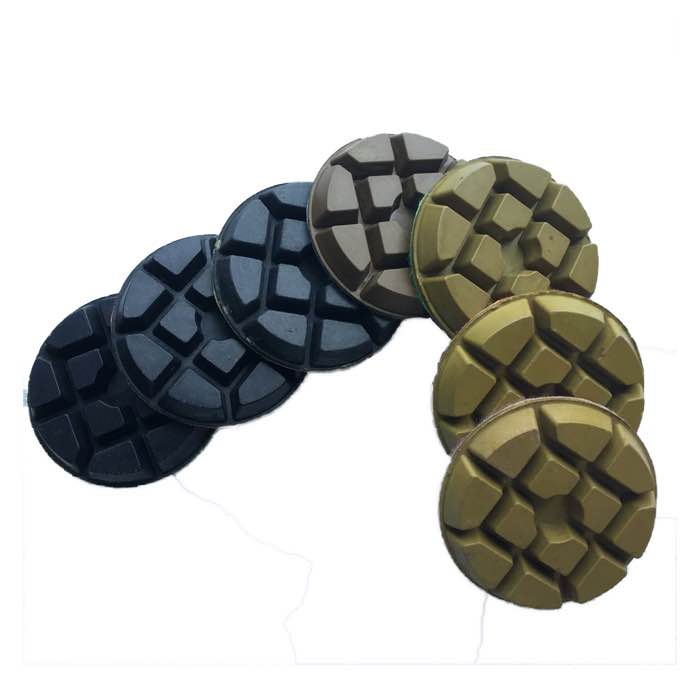
Quick Answer The standard grit order for a glossy concrete or terrazzo floor is 50 → 100 → 200 → 400 → 800 → 1500 → 3000 . Start coarse only…
2026-09-16
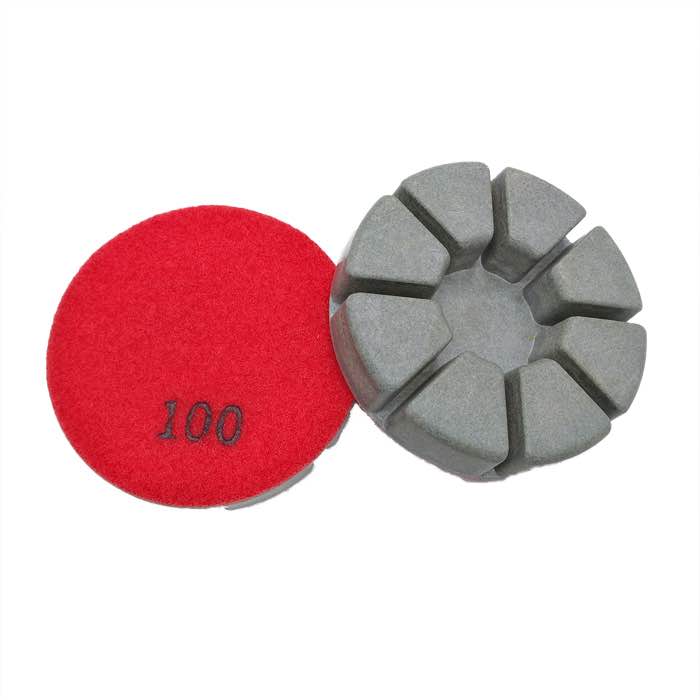
Quick Answer Use wet pads for natural stone, terrazzo and jobs where dust is prohibited ; use dry pads for concrete floors when you need spe…
2026-09-17
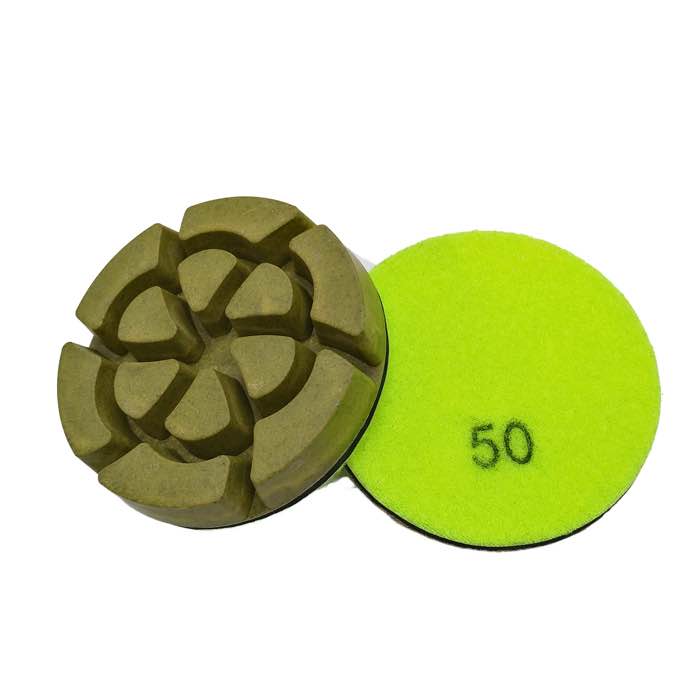
Quick Answer A high-gloss concrete finish comes from a disciplined sequence: grind flat → densify → polish through 50–3000 grit → burnish . …
2026-09-17
Quick Answer Scratches after polishing almost always come from skipped grits, contaminated pads, excessive pressure, or pads that have worn …
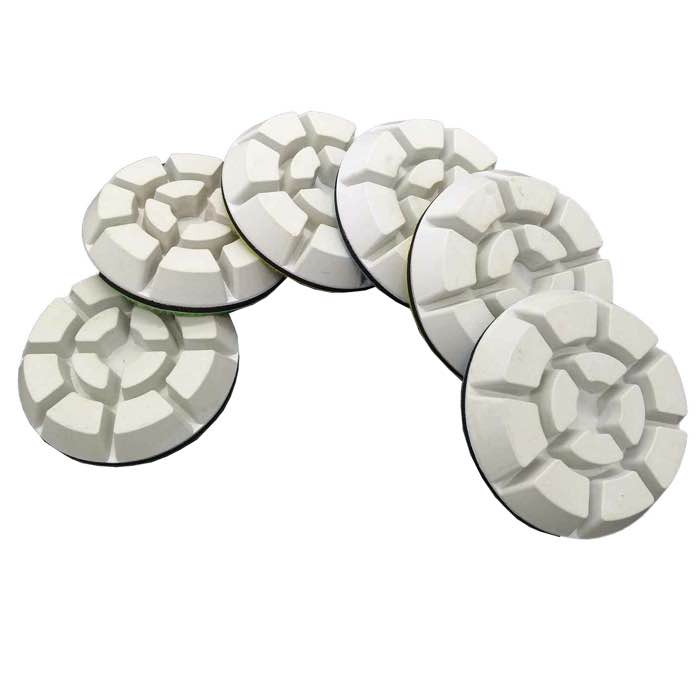
2026-09-17
Quick Answer Polish a terrazzo floor by assessing the surface → coarse grinding (60–120 grit) to level and remove wear → densifying → polish…
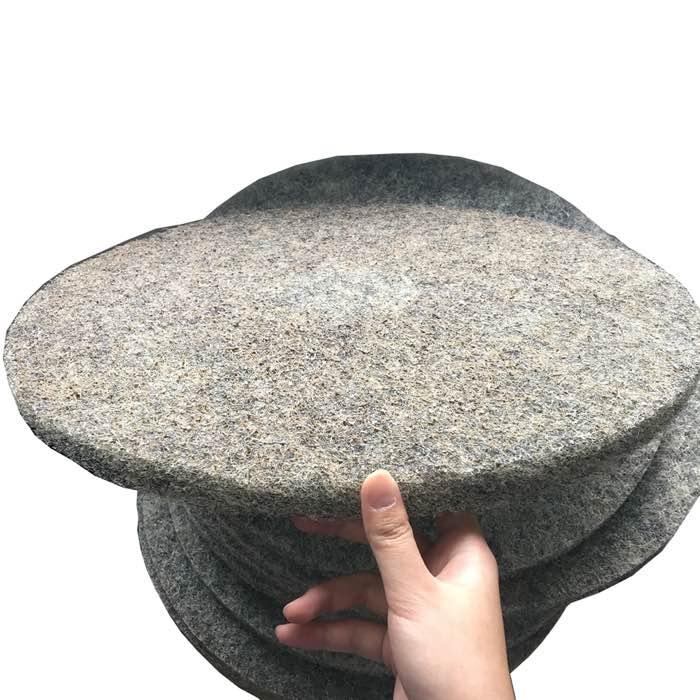
2026-09-17
Quick Answer Use burnishing pads after the final resin grit (1500–3000) to polish the densified surface to a deep, water-resistant gloss . T…
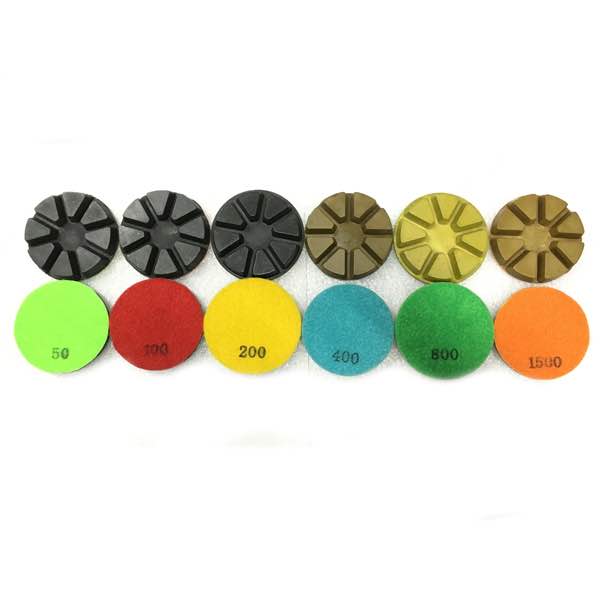
2026-09-17
Quick Answer Restore a dull concrete floor by deep cleaning → light re-polishing through the fine grits (800–3000) → re-densifying if the su…
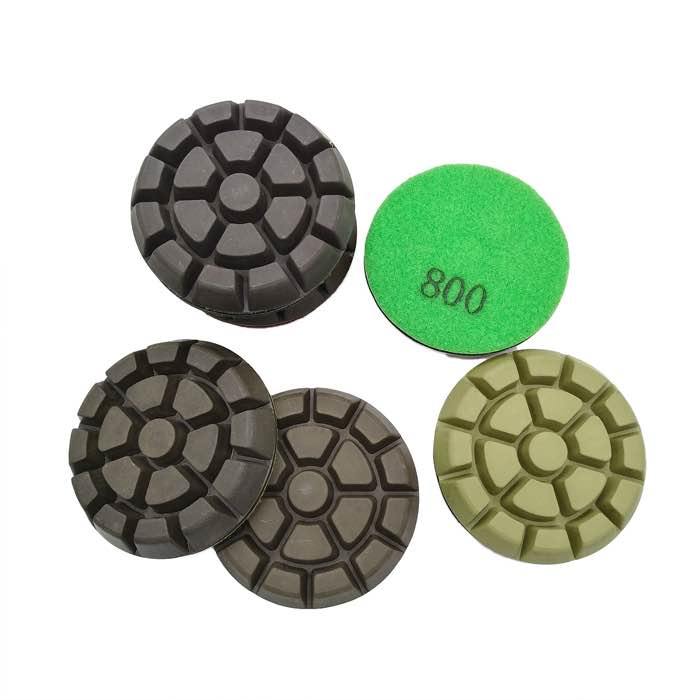
2026-09-17
Quick Answer Grinding pads (coarse, metal or aggressive resin bond) remove material, level floors and strip coatings; polishing pads (fine r…
2026-09-17
Quick Answer For a 1,000 m² floor, budget roughly 1 set of pads per grit per machine per 400–600 m² on medium concrete — so a full 7-grit se…
2026-09-18
Quick Answer Apply the densifier after coarse grinding (200 grit) and before fine polishing (400+ grit) . Densifying too early wastes produc…
2026-09-18
Quick Answer Match three things when choosing a blade: segment type and bond for the material (granite, marble, concrete, asphalt, tile), an…
2026-09-18
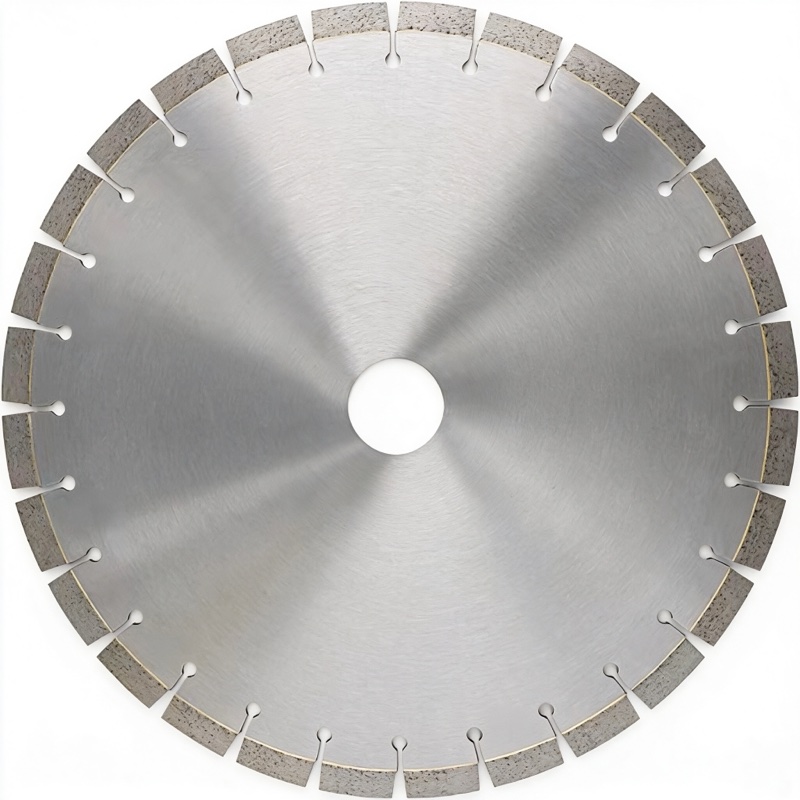
Quick Answer A blade that spins but stops cutting is usually glazed (dulled) or the wrong bond for the material . Check the direction of rot…
2026-09-18
Quick Answer A blade that wears out fast usually comes from a bond that is too soft for the material, excessive RPM, dry cutting on hard sto…
2026-09-18
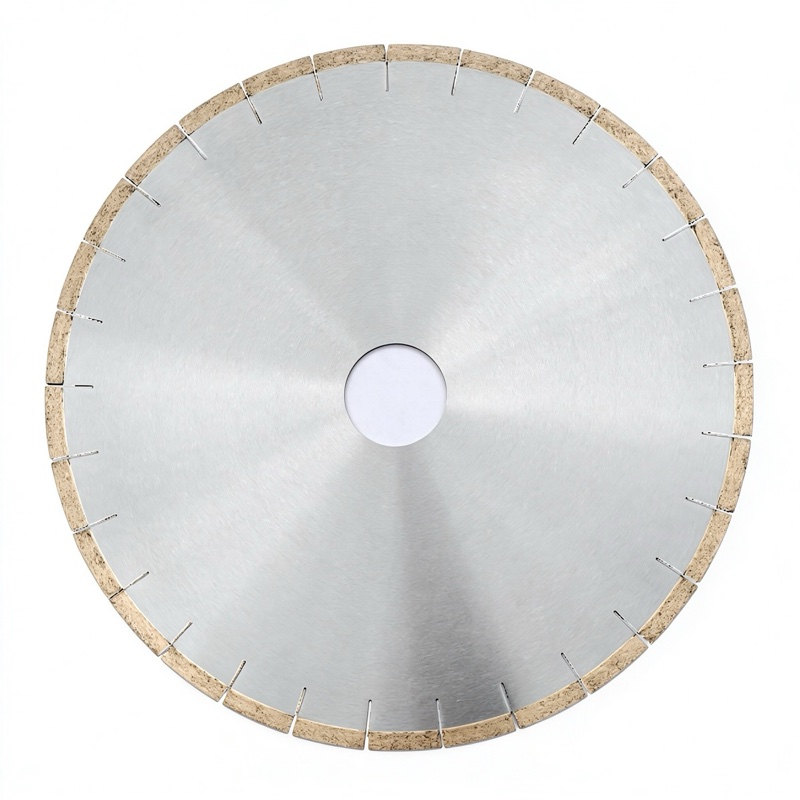
Quick Answer Choose by duty: laser welding for the toughest jobs (concrete, rebar, asphalt — no heat to weaken the bond), high-frequency wel…
2026-09-18
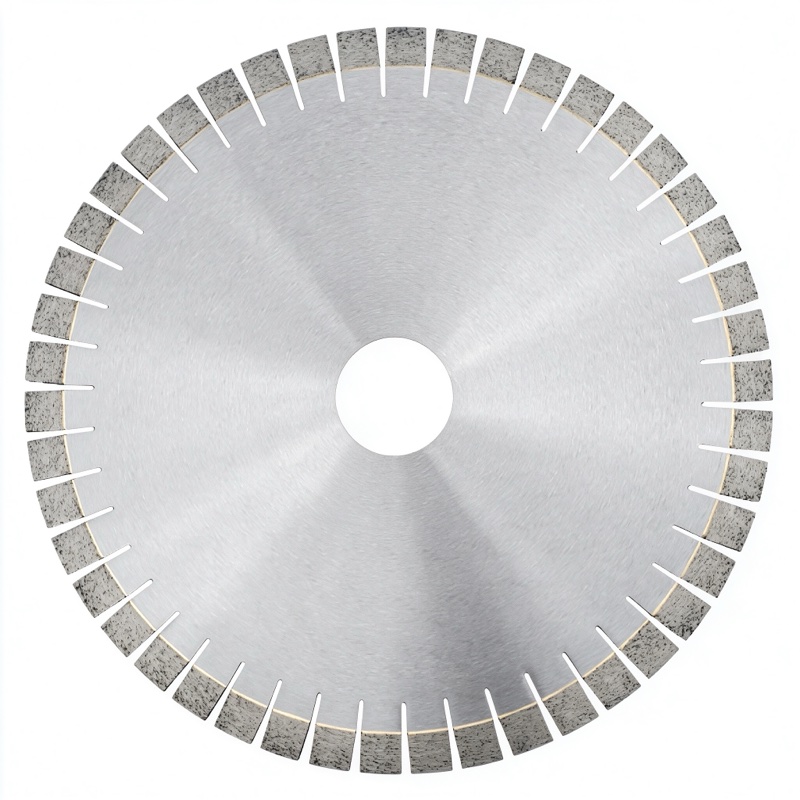
Quick Answer Use segmented blades for concrete, masonry and stone where speed and cooling matter ; use continuous rim blades for tile, marbl…
2026-09-18
Quick Answer Cut wet whenever possible — water cools the blade, controls dust and extends blade life . Cut dry only with blades designed for…
2026-09-19
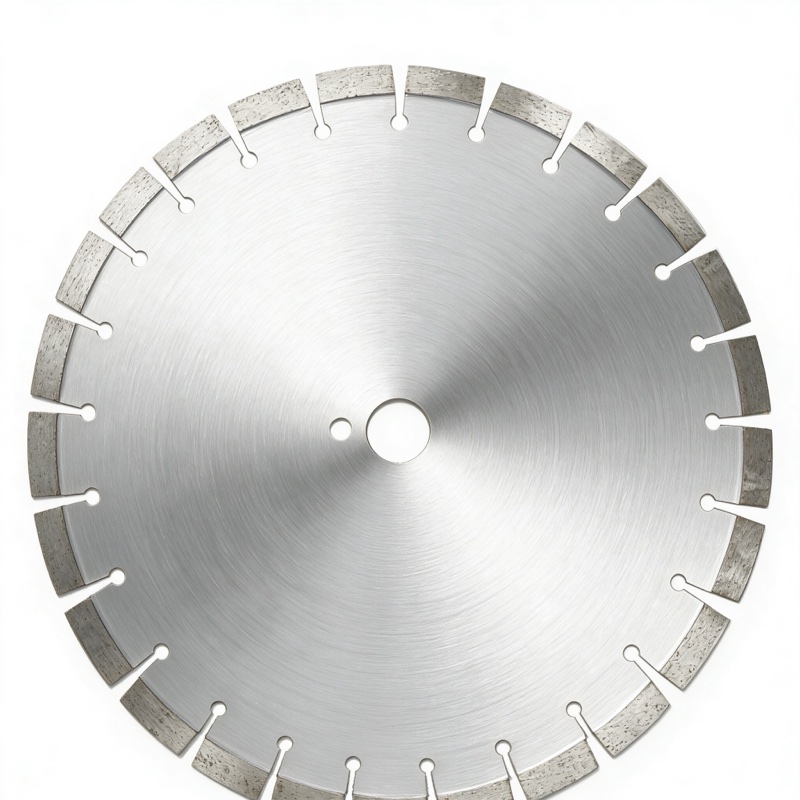
Quick Answer Use a laser-welded, reinforced diamond blade designed for concrete with steel . The segments must be welded (not brazed) so the…
2026-09-19
Quick Answer Use a diamond blade designed for asphalt: laser or HF welded, with a soft bond and wide segments . Asphalt is highly abrasive, …
2026-09-19
Quick Answer No single blade is ideal for both granite and marble. Granite is hard and non-abrasive, so it needs a hard bond to hold diamond…
2026-09-19
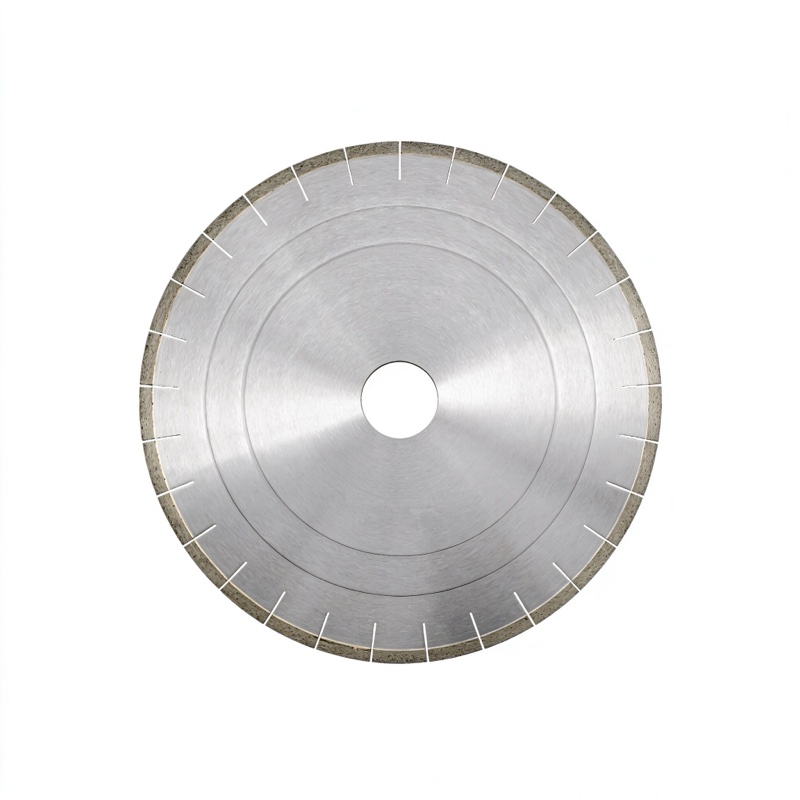
Quick Answer Arix ordered-segment blades stagger the segment positions around the circumference , so segments hit the stone one after anothe…
2026-09-19
Quick Answer Match the blade diameter to the machine: 115–125 mm for angle grinders, 180–230 mm for larger grinders, 300–350 mm for hand-hel…
2026-09-19
Quick Answer Dress the blade by cutting slowly into a soft abrasive block — a fire brick, silicon-carbide dressing stone, or an old concrete…
2026-09-19
Quick Answer Run the blade at the RPM printed on the label, which keeps the cutting edge near 80–100 m/s surface speed . Typical values: 115…
