Average response time: under 24 hours
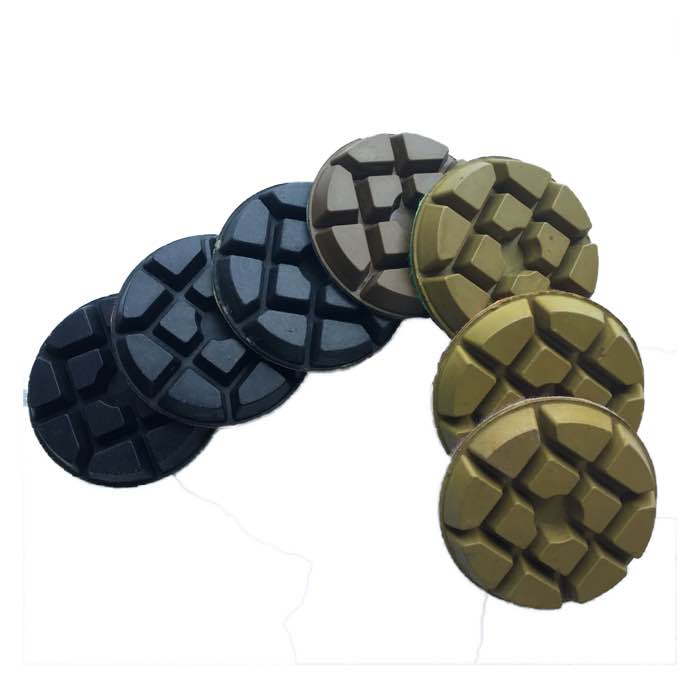
Yes, you can polish concrete outdoors, but the job has tighter limits than an interior floor. Aim for slab temperatures between 10 °C and 30 °C, humidity under 70 %, and no dew on the slab. Above 30 °C, densifier cures too fast and streaks; below 10 °C, densifier chemistry stalls and resin pads glaze. UV exposure fades pigments and hardens the slab, and rain within 24 hours of densifier application ruins the cure.
An indoor floor is a controlled environment: 20–25 °C, 50 % humidity, no wind. An outdoor slab moves with the sun. The same densifier that cures in 1 hour indoors may cure in 15 minutes on a 35 °C afternoon, leaving white residue you must grind off. Wind accelerates evaporation; dew at night re-wets the slab; and UV exposure dries the surface faster than the chemical can penetrate. Polishing outdoors is a science of timing, not brute force.
| Slab temp | Effect | Action |
|---|---|---|
| < 5 °C | Densifier chemistry stalls | Postpone the job |
| 5–10 °C | Slow cure, risk of weak densification | Extend dwell time by 2× |
| 10–30 °C | Ideal range | Standard process |
| 30–35 °C | Densifier dries too fast | Wet the slab lightly, work shade |
| > 35 °C | Resin pads glaze, bond burns | Polish in early morning only |
Below 40 % humidity, densifier evaporates before it penetrates; above 80 %, it runs and puddles. Dew on the slab overnight re-introduces water that dilutes the densifier layer. If rain is forecast within 24 hours of densifier application, reschedule. After densifier, the slab must stay dry for the chemical to react. Even a light drizzle will leave water marks that take an extra grinding step to remove. Our resin polishing pads are rated for outdoor use but expect 20–30 % shorter life due to UV and dust loading.
Stained or integrally colored concrete fades 1–2 shades in 12 months under direct sun. Polishing does not stop that, but it does reduce the rate — a dense, polished surface reflects UV rather than absorbing it. If the owner wants a colored outdoor floor, use UV-stable pigments and expect a maintenance coat every 2–3 years. Plain grey concrete does not fade visually but does oxidize and turn lighter.
The biggest mistake is starting a summer job at noon. The slab is 40 °C by 1 p.m., densifier cures on contact, and the floor looks streaky by 3 p.m. The second biggest is skipping a densifier cure time check — contractors apply densifier and start resin grinding too soon. Outdoor densifier needs the same 2–4 hour cure as indoors; rushing it leaves a soft surface that scratches easily. The third is ignoring wind: a 20 km/h breeze turns a wet densifier coat into a patchy film in 60 seconds.
A: Yes, but plan for more maintenance and expect a 20–30 % gloss reduction vs an interior floor.
A: Above 80 % RH, densifier puddles and resin pads do not cut cleanly. Wait for a drier day.
A: Only if the slab stays above 10 °C. Outdoor winter work is usually not worth it.
A: Rain after 24 hours is fine; rain within 24 hours of densifier application needs to be avoided.
Outdoor polishing is doable, but it rewards schedule discipline over tool investment. Work the temperature window, control dew and rain, and accept shorter pad life. Contact JOY TECH for pad and densifier-compatible tooling for exterior floor jobs.
Written and reviewed by JOY TECH — an SGS & BV audited, CE/RoHS certified diamond tools manufacturer founded in 2004, exporting to 50+ countries.
Our factory and QMS are audited by SGS and Bureau Veritas. Products meet CE/RoHS requirements and every piece is 100% inspected before packing.
Verified Certificates
