Average response time: under 24 hours
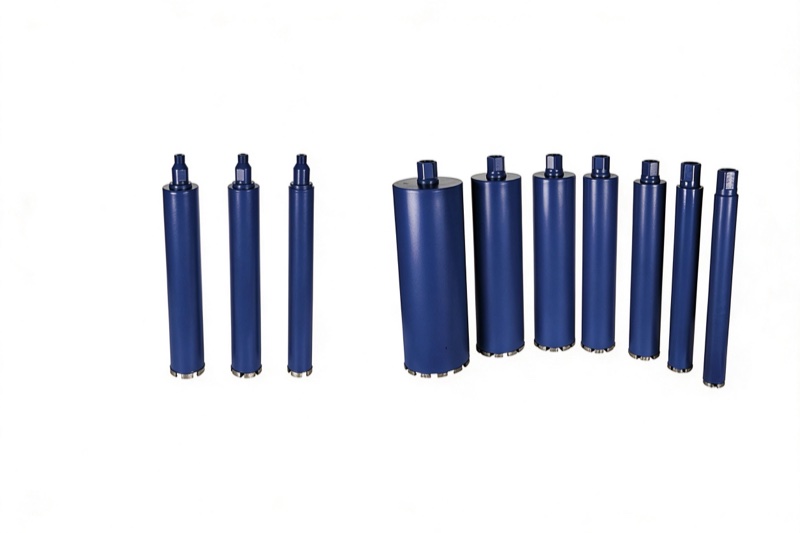
Sharpen a carbide masonry bit when the cutting edges look rounded or chipped and drilling slows noticeably: grind the two carbide wings flat with a fine diamond wheel, keeping the original angle. Diamond core bits generally cannot be sharpened by hand; they are replaced or sent for re-tipping. For occasional use, sharpening is not worth the time, because bits are inexpensive; for daily drilling, a sharp bit saves more time than it costs.
A dull concrete bit drills slowly, wanders off the mark, and makes the drill overheat. On a carbide masonry bit you can see the wear: the two carbide cutting wings lose their sharp leading edge and develop a flat land, and the corners chip. On a core bit the signs are slower penetration, glazed or rounded diamond segments, and the drill labouring even at the correct speed. If the bit smokes or the tip glows, it is either dull or being run too fast.
Carbide wings sharpen on a diamond wheel, not a regular grindstone. Clamp the bit or hold it steady, and grind each wing flat on its top face, maintaining the original angle between the wings (about 90-118 degrees total point angle for masonry). Grind a small amount at a time and cool the tip in water so the carbide does not overheat and crack. Do not try to sharpen the side faces; the top face is what does the cutting. Check both wings cut evenly by drilling a test hole in a soft brick.
| Bit type | Sharpenable? | Method |
|---|---|---|
| Carbide masonry bit | Yes | Diamond wheel, top face |
| Carbide-tipped hammer bit | Yes | Same, keep profile |
| Diamond core bit | No (hand) | Replace / re-tip |
| Diamond segment bit | No | Replace |
Diamond segments wear by exposing fresh diamond as the bond erodes, so a slow diamond bit is usually glazed, not blunt: the bond has not worn fast enough to expose new diamonds. You can sometimes restore a glazed segment by dressing it on an abrasive block or grinding it against a sacrificial surface to expose fresh grit. Deeply worn or chipped segments cannot be sharpened and should be replaced. Re-tipping is an option for expensive large-diameter diamond core drill bits from a specialist workshop.
A 10 mm carbide masonry bit costs a few dollars; sharpening it takes five minutes and a diamond wheel you may not own. Unless you drill daily, replace it. A high-quality core bit or a large hammer bit costs more, so sharpening or re-tipping pays. Factor in the labour cost of a slow bit on the job: at professional rates, a dull bit that doubles drilling time loses more money than a new bit costs. Keep the drill speed and feed correct so bits wear evenly and last.
Use the correct bit for the material: masonry bits for concrete and block, core bits for clean holes in cured concrete. Run the drill at the speed the bit manufacturer recommends, and use a hammer action only on bits designed for it. Apply steady pressure, let the bit cut, and clear dust regularly on deep holes so the bit does not re-grind its own cuttings. Store bits in a dry rack with the tips protected. A sharp bit with the right core drill setup cuts fast and stays cool.
For accurate holes, use diamond core drill bits rated for the concrete and the machine you are running.
Written and reviewed by JOY TECH — an SGS & BV audited, CE/RoHS certified diamond tools manufacturer founded in 2004, exporting to 50+ countries.
Our factory and QMS are audited by SGS and Bureau Veritas. Products meet CE/RoHS requirements and every piece is 100% inspected before packing.
Verified Certificates
