Average response time: under 24 hours
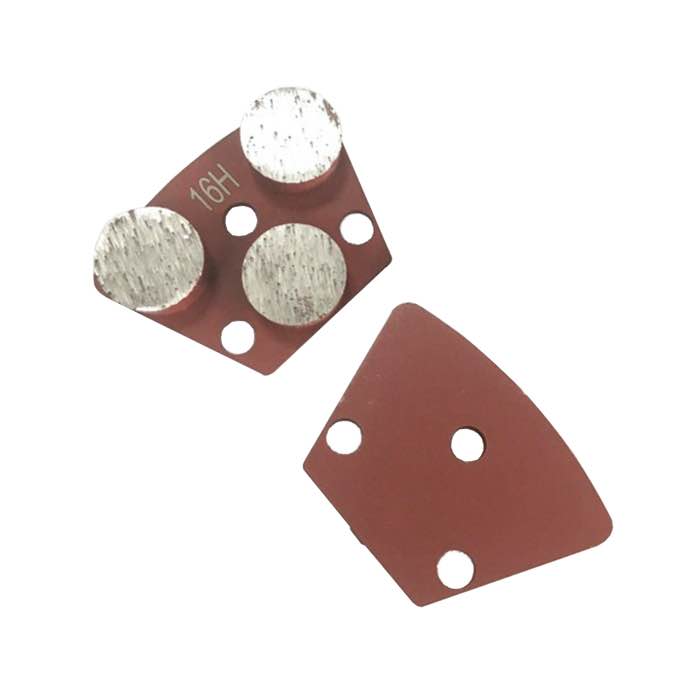
Clean a concrete grinder after every shift: blow or vacuum dust off the motor, shroud and vents, check the disc or pad condition, and empty the dust bag. Weekly, check the brush ring, bearings and belts; monthly, grease the bearings and inspect the power cord and switches. Store the machine dry, on its side or on blocks so the disc does not rest on the floor, and keep the grinding discs in a dry container. Regular maintenance prevents overheating, vibration and premature disc wear.
Unplug the machine. Vacuum or blow out dust from the motor vents, the shroud, and around the bearings, because concrete dust is abrasive and will wear seals and bearings if left to accumulate. Remove the disc or pad and inspect it for cracks, worn segments and uneven wear; flip or replace as needed. Empty the dust bag or canister and wash it if it is fabric. Wipe the body with a damp cloth and check the power cord for cuts. Record disc condition in a simple log so you can plan replacements.
Check the brush ring or skirt on the shroud; a worn brush lets dust escape and reduces vacuum efficiency. Inspect drive belts for cracks and tension, and check the disc hub for runout by spinning it by hand. Verify the vacuum connection seals and that the filter is not clogged. Look at the wheels or base plate for damage that could tip the machine. On angle grinders, check the guard is secure and the handle tight. Tighten any loose fasteners you find.
| Frequency | Task |
|---|---|
| Every shift | Blow out dust, inspect disc, empty bag |
| Weekly | Brush ring, belts, hub runout, filter |
| Monthly | Grease bearings, check cord, test switches |
| Quarterly | Replace worn brushes, deep-clean motor |
Monthly, grease the bearings according to the manual, inspect the power cord and plug for damage, and test all switches including the safety stop. Check the carbon brushes on motors that have them; worn brushes cause sparking and power loss. Quarterly, deep-clean the motor with compressed air, replace brushes if under half their length, and service the drive system per the manufacturer's schedule. Keep a spare set of brushes and a spare grinding disc on hand so downtime stays short.
Store the grinder in a dry, covered area, never outdoors or on damp concrete, because moisture corrodes the motor and spindle. Stand the machine on blocks or on its side so the disc does not contact the floor; discs resting on concrete can absorb moisture and warp. Coil the power cord loosely, do not wrap it tightly around the machine. Keep discs in sealed plastic bags or a dry box, flat, with the label side up. Store vacuum filters separately so they can dry completely between uses. Lock the storage area if the site is shared.
Replace discs when segments are worn to less than half their original height, when the disc runs out of true, or after it has been dropped on a hard edge. Replace carbon brushes at half wear. Replace belts at the first sign of cracks or glazing. Replace the dust bag when it tears. If the machine vibrates badly, stops suddenly, or makes grinding noises from the motor area, stop using it and inspect before the next shift. Keeping spares of the fastest-wearing parts means the machine is never down for a missing consumable.
For dependable concrete grinding, equip your machine with a diamond trapezoid grinding disc matched to the concrete hardness.
Written and reviewed by JOY TECH — an SGS & BV audited, CE/RoHS certified diamond tools manufacturer founded in 2004, exporting to 50+ countries.
Our factory and QMS are audited by SGS and Bureau Veritas. Products meet CE/RoHS requirements and every piece is 100% inspected before packing.
Verified Certificates
