Average response time: under 24 hours
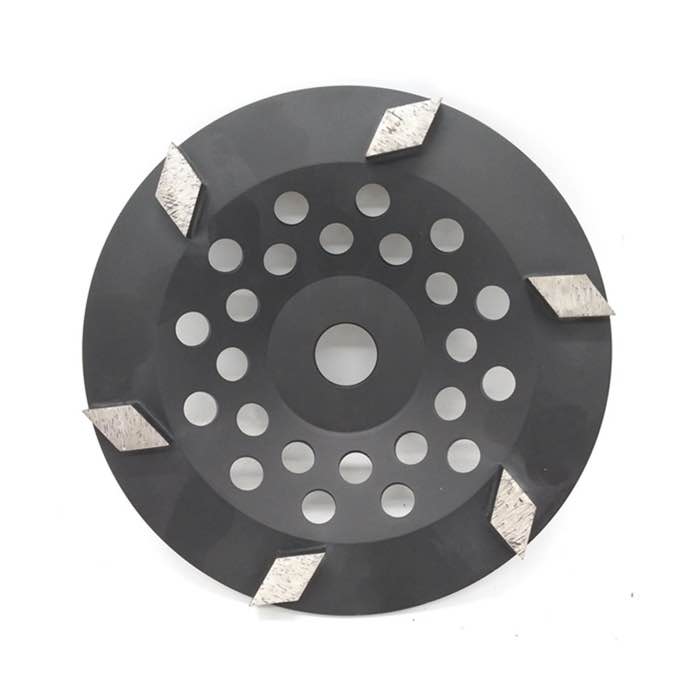
Yes, concrete grinding dust is dangerous. It contains respirable crystalline silica, which can cause silicosis, lung cancer and chronic lung disease when inhaled over time. The rule is simple: never dry-grind concrete without a dust shroud connected to a HEPA vacuum, and always wear a properly fitted respirator rated for silica. Water suppression also controls dust. On any grinding job, protect yourself the same way you would protect a customer: capture the dust at the source, ventilate, and use the right mask. For the right tooling on this job, see dust-rated grinding discs, diamond grinding tooling, resin polishing pads.
Concrete is made with sand and aggregate, both of which contain crystalline silica. Grinding, cutting or drilling concrete crushes that silica into fine particles small enough to reach the deepest part of the lungs, known as respirable dust. These particles cannot be coughed out easily. Repeated exposure scars the lungs over years, and the damage is permanent. There is no safe level of silica dust, so the goal on every job is to keep exposure as low as possible.
Short-term exposure causes irritation of the eyes, nose and throat. Long-term exposure causes silicosis, a progressive scarring of the lungs that makes breathing harder over time; it also increases the risk of lung cancer, chronic bronchitis and kidney disease. The risk grows with cumulative exposure, which is why every pass of dust counts, not just big grinding days. Silica exposure does not announce itself with immediate symptoms, which is why workers often discover the damage years later.
Use the hierarchy of controls in order: eliminate the dust with wet grinding, capture it at the source with a dust shroud and a HEPA vacuum, ventilate the space, and wear a respirator as the last line of defense. For dry grinding, a shroud that seals around the tooling and connects to a vacuum rated for silica is the standard setup. Wet grinding with a mist or water feed keeps most dust out of the air. Never rely on a standard dust mask, which does not seal against fine silica.
A: One day of unprotected grinding is unlikely to cause disease by itself, but every exposure adds up, and a single heavy exposure can cause acute symptoms. The sensible rule is to protect yourself on every job, no exceptions.
A: No. A basic cloth or paper mask does not seal and lets fine silica through. Use a respirator rated N95 or better, fitted properly.
A: Wet grinding drastically reduces airborne dust but does not eliminate the slurry, which still contains silica. Handle wet slurry carefully and let it dry outside, away from workers.
Concrete grinding dust is a serious, cumulative health hazard, but it is fully controllable. Grind wet where possible, capture dry dust with a shroud and HEPA vacuum, wear a fitted respirator, and treat silica dust as what it is: a hazard you cannot see but should never breathe. Protect yourself on every job, and make that habit the standard for anyone working on your site.
Written and reviewed by JOY TECH — an SGS & BV audited, CE/RoHS certified diamond tools manufacturer founded in 2004, exporting to 50+ countries.
Our factory and QMS are audited by SGS and Bureau Veritas. Products meet CE/RoHS requirements and every piece is 100% inspected before packing.
Verified Certificates
