Average response time: under 24 hours
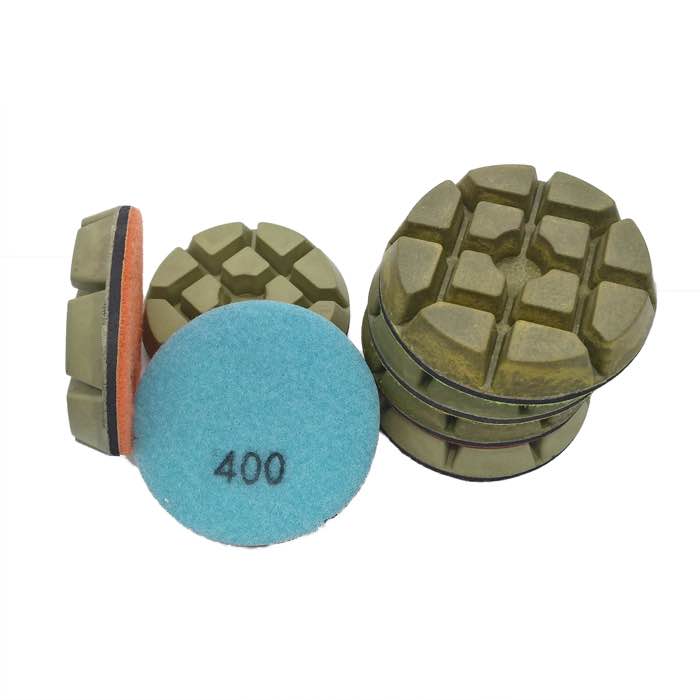
Control polishing dust with either a wet system, which feeds water to the pads and collects slurry, or a dry system with a HEPA vacuum connected to the machine shroud. Wet polishing produces almost no airborne dust and keeps pads cool but creates slurry; dry polishing is cleaner on the job site but requires a good vacuum and an N95 or better respirator. Many contractors dry-polish the coarse steps and wet-polish the fine steps, or switch by the floor.
Wet polishing feeds a light stream of water to the pad face, which lubricates the diamonds, keeps the pad cool, and washes cuttings away as slurry. Airborne dust is nearly eliminated, so wet polishing is the preferred choice indoors, in occupied buildings, and around sensitive finishes. The downside is slurry: you need a wet vacuum, a water source and drain, and a plan to collect and dispose of the slurry. Wet polishing also suits grinding steps where heat builds fast on dense concrete.
Dry polishing uses the pad without water and relies on a vacuum to capture dust at the source. The machine shroud encloses the pad and connects to a HEPA-filtered vacuum rated for concrete dust, capturing most of the dust at the head. A small amount still escapes, so an N95 or better respirator and clean-up at the end of each pass are still required. Dry polishing is faster to set up, leaves no slurry, and is ideal for small jobs, spot repairs, and sites with no water supply.
| Factor | Wet | Dry |
|---|---|---|
| Airborne dust | Minimal | Low with vacuum |
| Slurry / waste | Yes, collect | No |
| Setup | Water + drain | Vacuum only |
| Pad cooling | Excellent | Watch heat |
| Best for | Indoor, large floors | Small jobs, no water |
Many floor machines accept a dust shroud and vacuum connection even in wet mode, and some machines have built-in water feed and recovery. A common hybrid: dry-polish with coarse metal-bond pads for speed, then switch to wet for resin pads and the final gloss steps, which run cooler and give a cleaner finish. Whichever system, keep the vacuum filter clean, empty the container before it is full, and inspect the shroud skirt for wear, because a torn skirt lets dust escape.
Concrete dust contains respirable crystalline silica, a regulated hazard. In many regions, dry polishing indoors requires engineering controls: a HEPA vacuum connected to the machine, or wet methods, plus respiratory protection. Wear an N95 or better respirator rated for silica dust even with a vacuum, because the shroud never captures everything. Use eye protection, gloves, and wash hands before eating. Check local silica exposure rules and keep a written dust-control plan for crew training and enforcement.
At the end of each step, vacuum the floor before changing pads so grit does not scratch the next finer stage. After the final gloss pass, dry-buff the floor to remove any residue, then apply the sealer per the manufacturer's instructions. Collect wet slurry in containers and dispose of it as construction waste; never pour slurry into drains. With a resin polishing pad system and the right dust control, a floor can be polished with minimal airborne dust and a clean, gloss finish.
For an even gloss, work through diamond resin polishing pads in the correct grit sequence.
Keep resin floor polishing pads on hand so the finish stages of the floor stay consistent.
Written and reviewed by JOY TECH — an SGS & BV audited, CE/RoHS certified diamond tools manufacturer founded in 2004, exporting to 50+ countries.
Our factory and QMS are audited by SGS and Bureau Veritas. Products meet CE/RoHS requirements and every piece is 100% inspected before packing.
Verified Certificates
