Average response time: under 24 hours
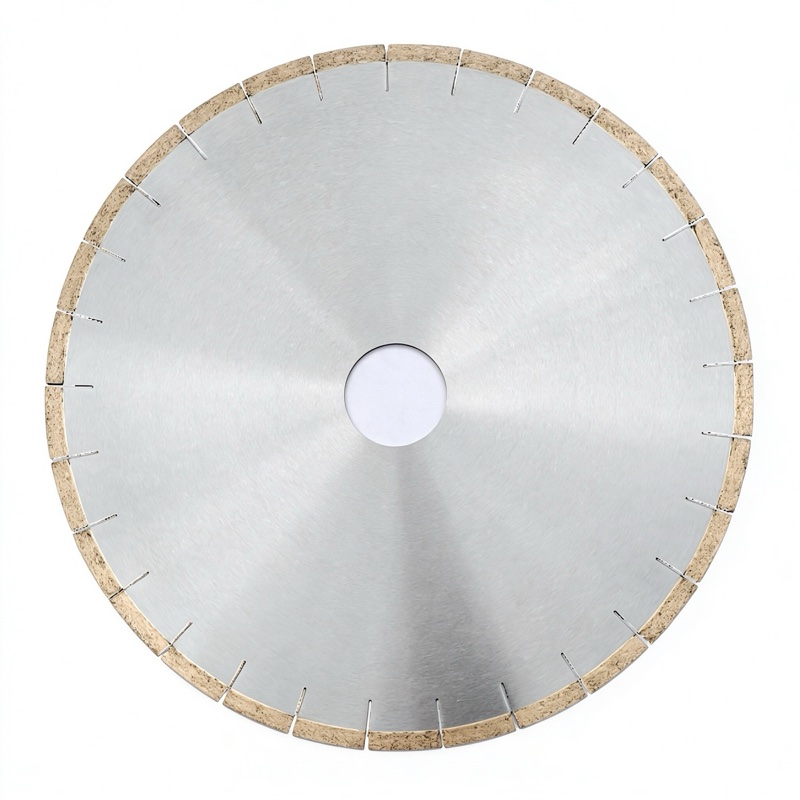
If your concrete saw has stopped feeding water to the blade, start with the simplest checks: confirm the tank has water, open the valve, then blow through the nozzle to clear the tip. Nine times out of ten the fault is a clogged nozzle, a crimped hose, or a dirty filter, not a dead pump. Run the pump with the blade guard off and watch for flow at each fitting; no flow at the nozzle but flow at the hose means a blocked tip, and no flow anywhere means the pump, valve, or tank vent. Dry-cutting even one deep pass glazes the blade, so stop until the water is fixed.
Water does two jobs at once: it cools the steel core so it does not warp, and it traps silica dust so it washes away as slurry instead of hanging in the air. Without water, the core heats above 200 degrees in minutes, loses its tension, and the blade wobbles. The bond also overheats and glazes, so the same blade cuts like a used one even though the segments are tall.
A handheld cut-off saw needs about 3 to 6 liters per minute; a walk-behind floor saw running a 450 mm blade needs 8 to 15 liters per minute. If the flow is visibly weaker than that, the problem is somewhere between tank and tip, and you should trace it before the cut gets any deeper.
Most handheld saws use a small electric or impeller pump pulling from a backpack tank; larger floor saws use a mains pump or gravity feed from an on-board tank. Pressure-fed systems fail at the filter or nozzle; gravity systems fail at the vent hole. A clean feed keeps a blade like the JOY CA-LW laser-welded blade cutting cool and straight for its full segment life.
Trace the fault from tank to tip in this order:
Once water flows at the tip, aim both side streams so they hit the blade just behind the segment on both sides. If one side runs dry, that side of the blade heats and wears faster, which is the slow wobble you may have noticed before the feed died completely. Check the spray pattern by running the saw dry for two seconds with the guard off; the water should sheet evenly across the segment face.
The inlet filter sock or basket clogs with concrete slurry within weeks if you top up from a dirty bucket. Clean it at the end of each day. A hose that has been crushed by a foot or a rebar will feel stiff at the kink; replace it rather than trying to unfold it, because the inner liner collapses and never opens fully.
Nozzles are sized by orifice: a 1.5 mm tip delivers about 4 liters per minute at typical pump pressure, while a 2 mm tip delivers 7 to 8. If you upgrade to a larger blade, open up the tip or add a second nozzle so the segment stays flooded. Never run a garden hose directly into the guard without a filter; sand in the water scratches the blade flanges.
A subtle one: after winter storage, old water grows algae that slimes the filter. Flush the whole system with clean water and a splash of vinegar before first use in spring, or you will spend an hour chasing a blockage that is really biofilm.
Carry a spare nozzle, a length of hose, and a small inlet filter in the toolbox; these three parts fix most feed failures on site. Use a water catcher or ground tarp so slurry does not run into drains, and wear waterproof boots. For finer finish work near marble or tile, a straight-slot blade rewards steady water flow with cleaner edges.
If you have traced the fault all the way back to a dead pump and the manufacturer part is not stocked locally, do not dry-cut as a workaround. Tell us the saw model through our contact page; we will point you to the right replacement feed or suggest a blade that tolerates longer, cooler passes while you wait.
Written and reviewed by JOY TECH — an SGS & BV audited, CE/RoHS certified diamond tools manufacturer founded in 2004, exporting to 50+ countries.
Our factory and QMS are audited by SGS and Bureau Veritas. Products meet CE/RoHS requirements and every piece is 100% inspected before packing.
Verified Certificates
