Average response time: under 24 hours
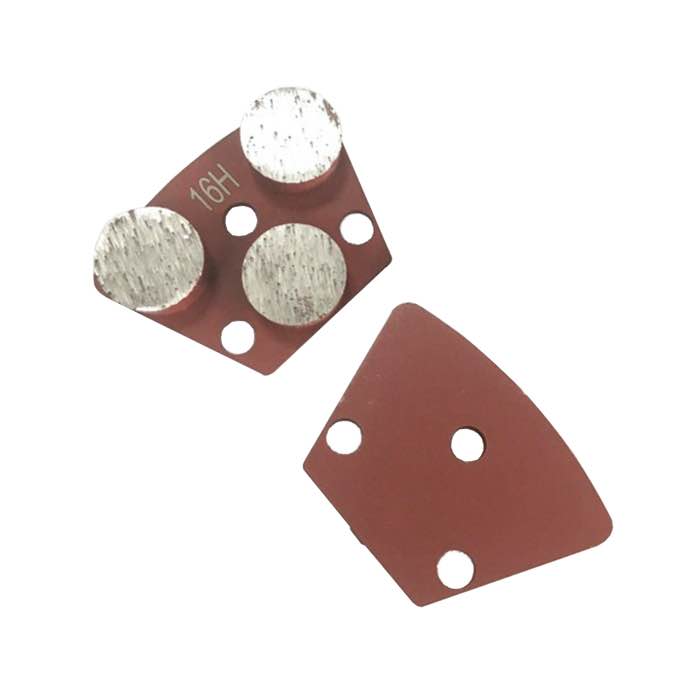
Concrete grinders overheat when they cut too deep, run non-stop through long passes, or work hard slabs with blocked cooling vents. Watch for the head housing getting too hot to touch, the motor or inverter tripping, and segments turning straw blue. Cool the machine with 10 to 15 minute air breaks between heavy passes, keep the vents clear, and never douse a hot head with water. Most overheating is fixed by shallower cuts, not by buying a bigger machine.
Heat builds gradually, so early signs are easy to miss. Start with your hands and ears: the dust stream warms up, the head housing becomes uncomfortable to hold, and the pitch of the motor rises under load. Walk-behind planetary rigs also show heat on the inverter display as drive current climbs. Once the machine trips out, it is usually telling you the duty cycle is exceeded, not that it is broken. Waiting ten minutes and restarting with a lighter load usually proves the point.
The drum, weight plate, and segments run hottest. A head you can only touch for a second is already too hot for continuous work. Overheated diamonds glaze over, the bond stops self-sharpening, and production drops within minutes. On resin-bond polishing shoes, heat can glaze the bond so badly that the floor stops cutting and starts burning the surface. Segments that show a blue or straw tint have been pushed past their safe temperature.
Electric grinders wind the motor if you force a cut. The inverter or breaker trips, the machine stops mid-pass, and restarting immediately just trips it again. Let the fan run by idling the machine for a minute before you switch off, so air keeps passing through the windings. Propane units show heat as rising exhaust temperature and stumbling under load. A breaker that will not reset after a full rest usually points to a worn winding rather than operator error.
Plan your stops around the hardest work, not by the clock alone:
Park the machine in a clean, ventilated spot with the head raised slightly off the slab. Let the motor idle for one to two minutes so its fan pushes cool air through the windings, then shut down. Blow the cooling fins and vents with compressed air once the machine is off. Typical rest intervals on hard slabs run 10 to 15 minutes between heavy grinding passes, while normal polishing work rarely needs a break at all.
Pouring water on a hot drum shocks the steel, warps the plate, and can crack a segment bond. Cold water also turns dust into a thick slurry that jams bearings and clutches. Wet grinding is a separate, planned process with its own water feed; cooling a dry machine by hosing it down is never the answer. If you must switch to wet work, change systems deliberately and drain the head before storage.
Symptom, likely cause, and first fix at a glance:
| Symptom | Typical cause | First fix |
|---|---|---|
| Head too hot to touch | Cut too deep | Shallow the pass, take a 10 min break |
| Inverter trips repeatedly | Motor overload | Clear vents, reduce feed pressure |
| Segments turn blue | Sustained overheat | Softer bond, cool between passes |
Long passes on fresh concrete run hot because the slab itself is warm. Split long runs into shorter passes, overlap less on aggressive grits, and let the machine coast between sections. Operators who treat the grinder like a sawing tool, pausing every few feet, get far fewer heat trips than operators who hold the trigger down for an hour straight. On a hot summer slab, plan extra stops rather than discovering them on the floor. Once the slab itself reads over 30 C on the surface, every parameter tightens: shallower cuts, shorter runs, and breaks scheduled earlier than usual. A dusty filter also drives up head temperature, because the warm air has nowhere to go, so check the vac before you blame the machine.
Blocked vents are the silent cause of repeat trips. Sweep the cooling housing after every shift, and blow the fan cover with compressed air weekly. A grinder that ran fine for months and starts tripping on the same slab is almost always a dust-packed motor shroud, not a weakened machine. Keep the vacuum hose kink-free as well; lost suction means hot dust stays trapped in the head.
Factor cooling stops into your production numbers. A 10 minute break every two hours of heavy grinding is typical, and skipping it costs more in burned tooling than the idle time saved. On a hot summer slab, plan for longer intervals, keep the vacuum running to pull warm air away, and treat any repeat trip as a signal to change bond or cut depth rather than to push on. A cooled machine lasts longer, cuts truer, and finishes the shift on time.
Written and reviewed by JOY TECH — an SGS & BV audited, CE/RoHS certified diamond tools manufacturer founded in 2004, exporting to 50+ countries.
Our factory and QMS are audited by SGS and Bureau Veritas. Products meet CE/RoHS requirements and every piece is 100% inspected before packing.
Verified Certificates
