Average response time: under 24 hours
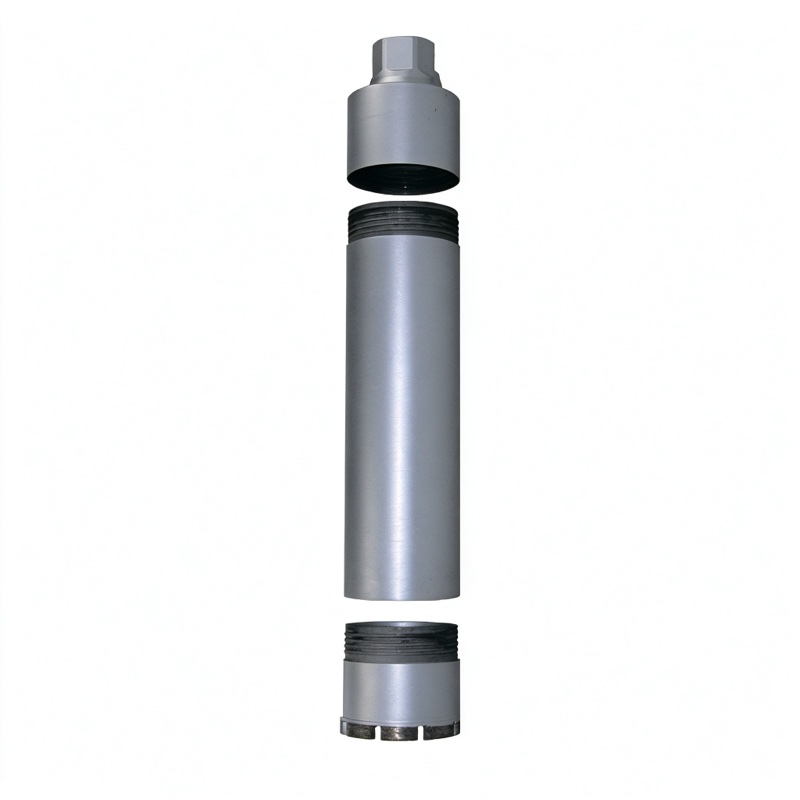
To take a core sample from an asphalt or tarmac road, use a diamond core barrel with an asphalt-specific segment running dry, or with light water cooling, at 500-1000 RPM. Asphalt is a soft, bitumen-bound mix that gums up general-purpose concrete segments, so a diamond core bit designed for asphalt uses a hard bond and deep-set segments to stay open and cut clean cylinders 100-150 mm in diameter. Most road samples are 100 mm diameter by 50-150 mm deep, matching the asphalt lift thickness; a rig-mounted drill on a road coring rig is standard, though handheld diamond drills work for shallow samples on driveways.
Asphalt is a mix of aggregate (sand, gravel, crushed rock) bound together by bitumen, a petroleum product that softens at 40-60 degrees Celsius. When you drill, friction heats the bit and the bitumen melts, sticking to the diamond segments and clogging the cutting face. A concrete core bit has a softer bond that exposes diamonds quickly; on asphalt that bond wears too fast and the diamonds pull out before they can cut. An asphalt bit uses a harder metal bond, taller segments, and sometimes a wider slot between segments to keep the cut open and prevent bitumen from wrapping the barrel.
Asphalt also varies in temperature. A summer midday surface can reach 55 degrees C, making the cut gummy; an early-morning winter core is brittle and cuts cleanly. Plan coring work for cooler hours when possible, and use water to keep both the bit and the asphalt cool.
Specifications vary by country and project, but the most common asphalt core diameters are 100 mm (4 inch) and 150 mm (6 inch). Depths match the pavement structure: a single surface lift is 40-60 mm, a binder course 70-100 mm, and a full-depth core reaching the base layer may run 150-250 mm. Contractors also take cores for density testing, air-void measurement, or to verify layer thickness during acceptance testing.
| Sample purpose | Diameter | Typical depth | Cutting mode |
|---|---|---|---|
| Density / air voids | 100 mm | Full lift 40-100 mm | Wet, low speed |
| Layer thickness check | 100-150 mm | 150-250 mm | Wet |
| Overlay bond test | 150 mm | 100 mm | Wet |
| Patch / utility access | 100-200 mm | Full depth | Wet, rig mounted |
Road coring rigs are either truck-mounted, trailer-mounted, or portable petrol-driven units weighing 40-80 kg. They drive a 1-1/4 inch UNC or BSP spindle at 500-1500 RPM and feed the barrel hydraulically or by hand. Water is fed through the spindle to cool the segments and wash cuttings out of the barrel. For small jobs on private driveways or parking lots, a handheld core drill on a tripod base with a water bottle works for 50-100 mm holes.
Use a continuous threaded extension tube when you need to core through multiple lifts or reach an underlying concrete base. The extension adds length without changing the crown, and keeps the barrel rigid so the sample does not break partway up.
Mark the hole center with spray paint. Start the barrel at low RPM, applying light feed until the segments bite the surface. Once the crown is fully engaged, increase RPM and feed steadily. Do not force the cut: if the barrel slows, reduce feed and add water. When you reach the target depth, stop feeding and let the barrel spin a few seconds to clean the bottom of the core.
Extract the core carefully. Loosen the barrel a half-turn back, lift it out, and tap the side of the barrel with a rubber mallet to free the cylinder. A broken core ruins the lab test, so never pry the sample out with a screwdriver. For shallow cores, a segmented crown gives the fastest cut; for deeper samples reaching the concrete base, switch to a multi-purpose segment that handles both asphalt and the underlying PCC.
It will cut, but the soft bond wears quickly and the bit gums with bitumen. An asphalt-specific hard-bond segment lasts 3-5 times longer and cuts cleaner.
Wet. Water keeps the bitumen soft, cools the segments, and suppresses silica dust. Dry drilling works only for very shallow, quick samples in cool weather.
Standard samples are 100-250 mm. With extension tubes, rigs routinely reach 500-600 mm through full pavement structure.
Most labs request 100 mm diameter cores, cut to the lift thickness. Confirm with the project engineer before taking samples.
Asphalt coring is a precision sample job. Use a hard-bond diamond asphalt barrel, keep water flowing, feed steadily, and extract the cylinder gently. The right bit and technique give labs an intact core they can measure for density, thickness, and bond strength.
Written and reviewed by JOY TECH — an SGS & BV audited, CE/RoHS certified diamond tools manufacturer founded in 2004, exporting to 50+ countries.
Our factory and QMS are audited by SGS and Bureau Veritas. Products meet CE/RoHS requirements and every piece is 100% inspected before packing.
Verified Certificates
