Average response time: under 24 hours
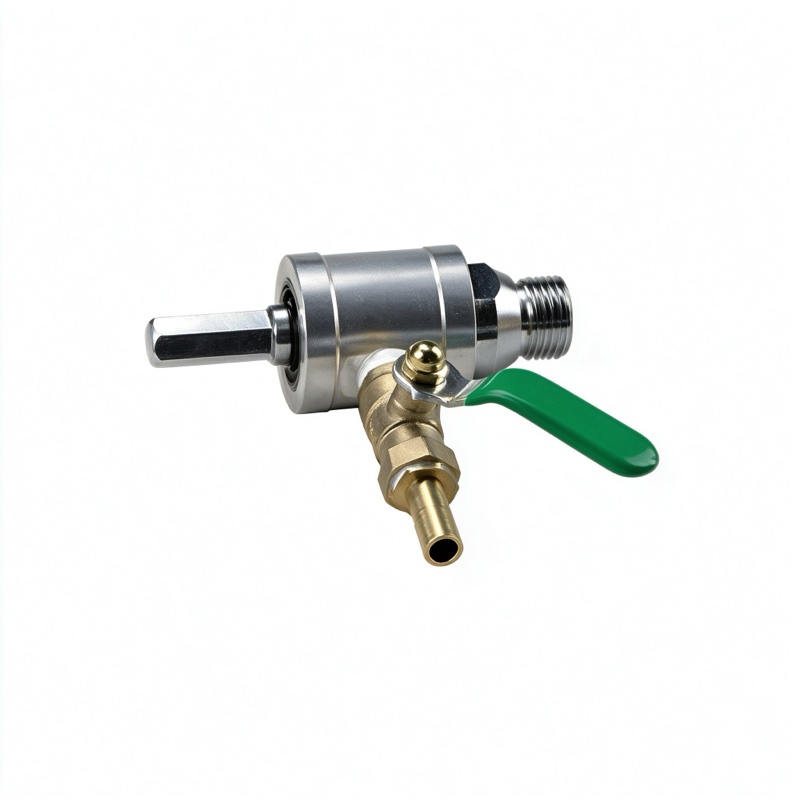
For a 110 mm (4 inch) drain pipe through a concrete slab, use a 125-130 mm diamond core bit on a rig-mounted wet core drill, leaving a 15-20 mm annular gap for the pipe sleeve and seal. A wet diamond core bit for slab work cuts clean through 100-200 mm of poured concrete at 500-900 RPM. Size the opening to the pipe OD plus sleeve plus insulation: a 110 mm drain needs a 125 mm hole; a 160 mm sewer line needs 180-200 mm; water supply stubs at 25-40 mm use 50-65 mm core bits. Always scan the slab for rebar and radiant heat loops before drilling.
A common plumbing mistake is drilling the hole exactly the pipe diameter. The pipe needs room for a sleeve, a waterproof seal, and thermal movement. The rule of thumb is to add 15-25 mm to the outside diameter of the pipe (or sleeve) depending on slab thickness. For cast iron or PVC drain pipes, a two-part split sleeve passes through the hole and is grouted into the annulus.
| Pipe | Pipe OD | Core bit size | Sleeve |
|---|---|---|---|
| Water supply stub | 25-40 mm | 50-65 mm | PEX wrap |
| Waste pipe | 50 mm | 65-70 mm | PVC sleeve |
| 110 mm drain | 110 mm | 125-130 mm | 2-part split sleeve |
| 160 mm sewer | 160 mm | 180-200 mm | HDPE split sleeve |
| Vent stack | 75-110 mm | 90-130 mm | Fire-rated seal |
Before coring, survey the slab. Modern residential slabs often contain rebar mesh at 150 mm spacing, under-slab drainage, and sometimes a vapor barrier. Commercial slabs may have post-tensioning cables. Use a rebar detector and a ground-penetrating radar survey for PT slabs. Radiant floor heating loops are embedded in topping slabs and run at 150-200 mm spacing; hitting one means shutting down the whole heating circuit.
Mark the hole center, draw the circle, and double-check the layout against the plumber's isometric drawing. A slab penetration that lands on a footing stem wall or a pile cap will not work; shift the hole before drilling rather than after.
Most slab coring is done on a rig mounted to the floor with wedge bolts into the slab, or a vacuum base on a smooth finished surface. The rig feeds the bit down at a steady rate and keeps the hole perpendicular. Wet drilling is standard: water through the spindle cools the segments and flushes slurry. For finished slabs where slurry must be contained, set a ring dam of wet rags around the hole and drain the slurry into a bucket.
For thin topping slabs (50-75 mm), a handheld core drill on a small tripod works. For structural slabs 200 mm and thicker, or holes 150 mm and larger, a floor rig with a 2000 W motor is required. Add a threaded extension if the slab plus floor finish exceeds the barrel length.
Start the bit at low RPM, perpendicular to the slab, with light feed until the crown bites. Once the annulus is fully engaged, bring RPM up to 600-900 and feed steadily. Keep water flowing; the slurry should emerge evenly around the barrel. If the drill load spikes, you likely hit rebar. Slow feed and let the segment cut through; do not force it.
When the crown reaches the underside of the slab, reduce feed. The core plug will fall through into the gravel base below. If you need to recover the plug (for concrete strength verification), drill a shallow starter hole and pull the plug out before it drops. After coring, brush the hole edge, install the sleeve, and pack the annulus with hydraulic cement or a fire-rated seal.
A pipe penetration through a floor is a fire stop in commercial buildings. The annulus must be filled with an intumescent seal, mineral wool, or a listed fire-stop device rated for the floor assembly. In residential slabs, a flexible boot or a rubber gasket around the pipe prevents water from tracking down the hole. Use a core drill accessory kit with a finishing trowel and brush to clean the cut face before sealing.
A 125-130 mm bit. This leaves a 15-20 mm annulus for a split sleeve and waterproof seal.
Only for holes under 65 mm in thin topping slabs. Larger or deeper holes need a rig to stay perpendicular and to handle torque.
Yes, wet drilling cools the bit and suppresses silica dust. Dry drilling on slab overheats segments and creates a heavy dust plume.
Stop. If it is rebar, the bit will cut through at slow feed. If it is a PEX heat loop, you have ruptured a line; shut off the circuit and repair before continuing.
Plumbing penetrations through slabs are sized to the pipe plus sleeve, drilled wet on a rig, and sealed for fire and water. Match the core bit to the pipe OD, survey the slab first, and the sleeve will install cleanly.
Written and reviewed by JOY TECH — an SGS & BV audited, CE/RoHS certified diamond tools manufacturer founded in 2004, exporting to 50+ countries.
Our factory and QMS are audited by SGS and Bureau Veritas. Products meet CE/RoHS requirements and every piece is 100% inspected before packing.
Verified Certificates
