Average response time: under 24 hours
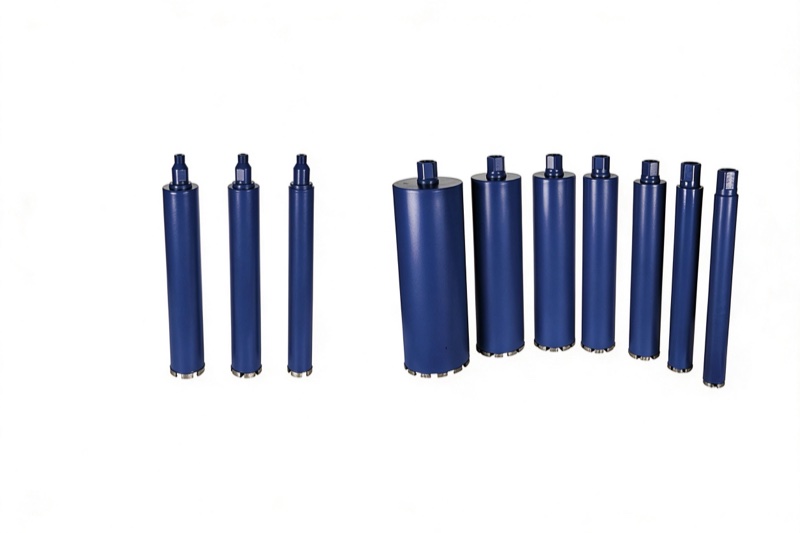
Wet core drilling indoors does not have to flood the floor. The standard setup is a diamond core bit with a water swivel connected to a controlled water feed, a suction ring or vacuum shroud around the hole to pull away the slurry, and a drip tray under the rig. Feed water at 100-200 ml per minute, not as a flood, and let a wet-dry vacuum pull the slurry away at the same time. With this setup, you can core a 100 mm hole through a slab and leave less than a cup of water on the floor.
Diamond core bits cut with industrial diamonds set in a metal matrix. Cutting concrete generates heat that reaches 500 C at the segment edge. That heat burns out the diamonds and softens the bond in minutes. Water does two jobs: it cools the segments and flushes the slurry out of the kerf. Without water, a wet-rated bit lasts about ten percent of its rated life. So water is not optional; controlling it is.
More water is not better. Too much water floods the hole, dilutes the slurry, and spreads the mess. Too little water overheats the bit. The rule of thumb is about 100-200 ml per minute of steady flow, enough to keep the slurry soupy but not running out the sides. A gravity feed from a 2-liter bottle with a valve gives you that control. The wet diamond core bit is designed to work with this low flow.
Never run the drill without the vacuum on. Even a small flow will spread slurry across a finished floor in seconds, and concrete slurry etches sealer and leaves a permanent mark.
Gravity feed from a 2-liter bottle hung at shoulder height is the simplest. Add a small valve or a hose clamp to adjust the flow. For repeated work, a small 12 V pump with a flow knob gives more consistent pressure. For a single hole, even a squeeze bottle works if you can drip it in slowly. The key is a controlled drip, not a stream. For handheld rigs without a stand, a water swivel on the drill bit feeds water through the bit itself.
A suction ring is a plastic or rubber collar that sits flat on the slab around the hole and has a port for a vacuum hose. As water and slurry emerge, the vacuum pulls them into the hose before they spread. Buy one sized to your largest bit; they are inexpensive and reusable. For vertical walls, use a wall-mounted suction cup version. For overhead coring, you need a shroud with a drip ring to keep water out of your face.
Pick a bit that matches the water swivel thread on your drill; the core bit selection guide lists the common thread sizes so you do not show up on site with the wrong adapter.
Starting the vacuum before water is on the line ensures the suction ring is already sealed and pulling. If you turn water on first, even a 100 ml flow will puddle under the bit before the vacuum catches up. The same order applies at shutdown: stop water first, let the vacuum run for another ten seconds to clear the hose, then turn off the drill. This single habit prevents 90 percent of indoor wet-coring spills.
Concrete slurry is alkaline and cannot be poured down a storm drain. Let the vacuum bucket settle, pour off the clear water into a bucket, and dispose of the thick slurry as construction waste. On a job site, a 5-gallon bucket with a filter bag makes cleanup trivial. Do not let slurry dry on the floor; it etches the sealer and leaves a permanent mark that no amount of scrubbing will remove.
If you really cannot contain water, a dry core bit on a dust-extraction rig is the alternative. A dry diamond core bit with a vacuum shroud cuts holes up to about 150 mm diameter without water, at the cost of shorter bit life and more noise. Reserve dry coring for small holes or for spots where water is truly impossible, such as on a finished upper floor with no drainage below.
On vertical walls, water runs down the surface even with a suction ring. Use a wall-mounted suction cup ring and a drip tray taped below the hole. On overhead coring, water will drip on you no matter what; wear a rain suit and use a shroud with a rear drain port that the vacuum pulls from. For overhead work, prefer dry coring if the hole size allows.
Written and reviewed by JOY TECH — an SGS & BV audited, CE/RoHS certified diamond tools manufacturer founded in 2004, exporting to 50+ countries.
Our factory and QMS are audited by SGS and Bureau Veritas. Products meet CE/RoHS requirements and every piece is 100% inspected before packing.
Verified Certificates
