Average response time: under 24 hours
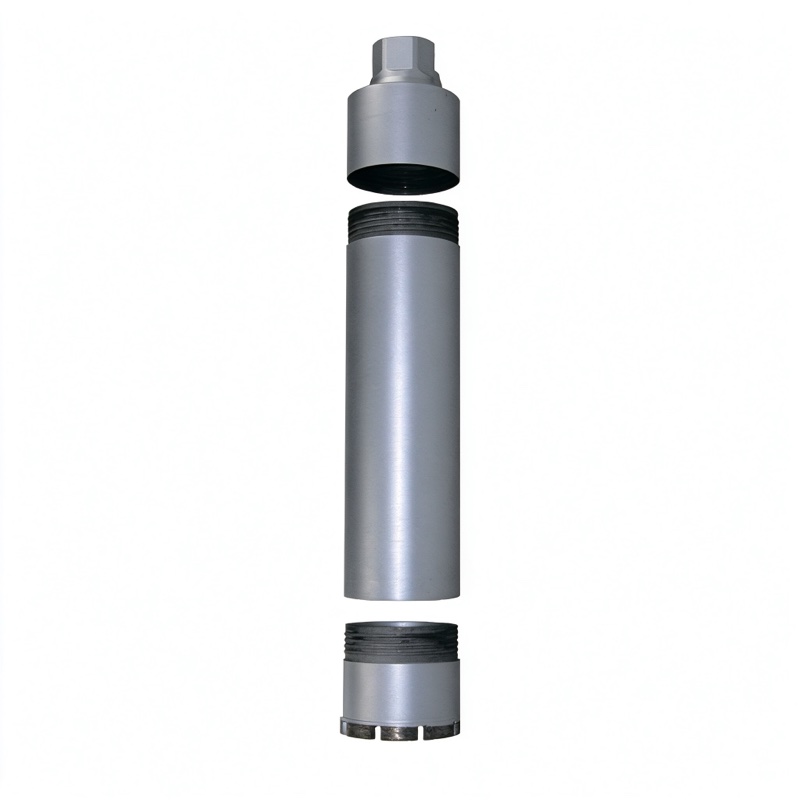
Use a wet core bit with a hardened, steel-cutting crown, drill slowly with steady pressure, and let the bit cut the rebar rather than forcing it. Anchored, aligned drilling protects both the bit and the core rig.
| Mistake | Result |
|---|---|
| Heavy feed on rebar | Segment loss, bit jams |
| No water | Burnt crown, glazed steel |
| Unaligned drill | Wandering, oval hole |
| Ignoring steel sparks | Overheating, bit failure |
A:With a hardened crown, yes — slowly and steadily. Standard soft crowns will wear fast on steel.
A>Slower. Reduce feed so the crown grinds the steel instead of grabbing it.
A:Higher resistance, a change in sound, and steel chips in the slurry. Ease off and continue steadily.
Rebar is a test of feed control and water flow. A hardened wet bit like the Diamond Core Drill Bit (Wet) — JOY-DCB-W or the segmented Diamond Segment Core Drill — JOY-CDS handles reinforced concrete when driven steadily.
On jobs where rebar density is unknown, start a shallow trial hole before anchoring the rig for the full depth. Expect reduced progress once the crown engages steel, and slow the feed rather than increasing pressure — the bit cuts rebar by grinding it, not by forcing through it. Keep the water volume generous, clear slurry often, and let the crown cool between holes if the cut becomes excessively hot. If your regular bits lose segments quickly on a particular structure, ask the manufacturer for a hardened-crown option sized to your machine; matching the crown to the rebar frequency is cheaper than replacing bits every shift.
Written and reviewed by JOY TECH — an SGS & BV audited, CE/RoHS certified diamond tools manufacturer founded in 2004, exporting to 50+ countries.
Our factory and QMS are audited by SGS and Bureau Veritas. Products meet CE/RoHS requirements and every piece is 100% inspected before packing.
Verified Certificates
