Average response time: under 24 hours
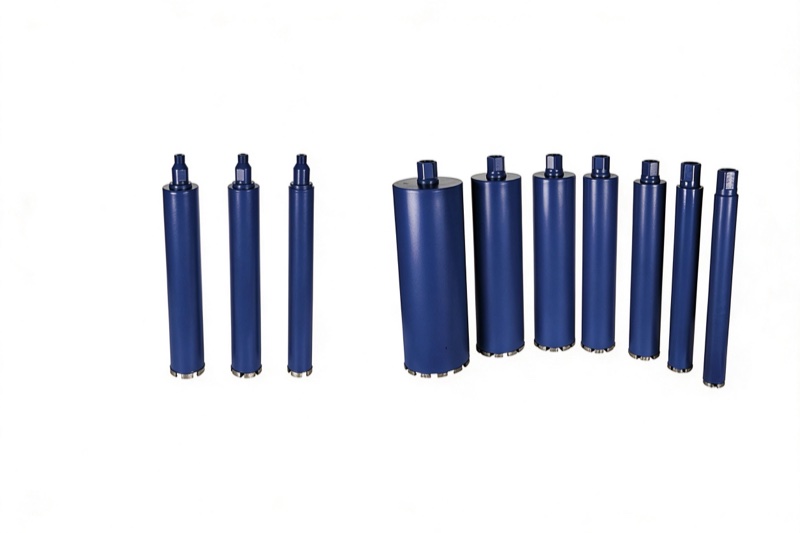
Core drilling through reinforced concrete is possible with a diamond wet core bit designed for steel, but you must scan the slab first, reduce feed pressure when rebar is hit, and let the bit cut rather than force it. Hitting rebar is the number one cause of stalled drills, overheated bits, and premature diamond segment wear. A standard concrete core bit will glaze over or burn out in minutes on a dense rebar cage; a rebar-rated bit with harder metal bond and diamond concentration lasts much longer.
Use a rebar locator (electromagnetic scanner) or ground-penetrating radar to map steel before drilling. Locate bar size, depth, spacing, and direction. Mark the projected hole location and shift it by at least 50 mm if the center falls within 25 mm of a main bar. Most structural engineers will approve a small shift; drilling through a main bar without approval is a structural change. Do not rely on drawings alone; rebar often drifts 20-50 mm during placement.
A standard green or pink concrete-only core bit has a soft bond that wears quickly on steel. For reinforced concrete, choose a bit with:
Wet cutting is strongly preferred. Water cools the segment, flushes swarf, and keeps the bit from glazing. Dry core drilling through rebar is possible only on small diameters under 82 mm and with vacuum-rated bits; it is much harder on the tool.
Anchor the rig with a vacuum pad or mechanical anchor for diameters over 100 mm. Hand-held drilling is fine for holes up to 100 mm, but larger holes through rebar require a rig because the torque spike when the bit hits a bar can twist the tool out of your hands. Start with a pilot centering bit, run the drill at the manufacturer's rated RPM (typically 700-1500 RPM for 100 mm bits, dropping to 300-600 RPM for 200 mm+ diameters), and maintain steady water flow.
You will hear a sharp change in pitch: the drill slows, water turns steel-gray, and you may see spark-like filings. This is the moment to reduce feed pressure. Push just enough to keep the bit cutting; forcing it flattens the diamonds and glazes the segment. Drilling through a 12-25 mm bar typically takes 30-90 seconds per bar, depending on bit sharpness. If the bit stalls, pull back 5 mm, let it spin, and re-engage.
Glazing means the bond wore too slowly and diamonds stopped protruding. Cause is usually too little water or too low RPM on a hard bond. Pull the bit, dress it with a soft concrete block or a dressing stone for 30 seconds, and resume with more water.
Segment breakage comes from side loading, overheating, or hitting a thick bar at a bad angle. Re-center the rig, check water flow, and reduce feed. A bit with one missing segment must not continue; it will cut a wobbling hole and damage neighboring bars.
Most stalls are from too much feed on a rebar crossing. Pull back, clear swarf, and restart at lower pressure. If the bit is bound, do not force the trigger off; rotate the bit by hand or with a pipe wrench on the rig shaft after powering down.
For typical HVAC, plumbing, and cable pass-through, holes range from 50 mm to 300 mm diameter. Slab depth is usually 150-300 mm. Deeper holes need extension rods and intermediate water flushing. Rebar density peaks in lower floor slabs and beam-column joints; those areas may require a core sample before finalizing the hole location.
Wet cutting produces slurry; contain it with a dam ring or vacuum slurp. Wear eye protection, hearing protection, and cut-resistant gloves. Core drills carry high torque; keep both hands on the rig and never rest the bit against your body. Shut off water before pulling the bit out to avoid flooding the hole.
After drilling through rebar, inspect the segments for rounding or missing diamonds. A bit that has cut through three or four bars will have a visible wear pattern on the leading edge; rotate the bit 90 degrees on the next hole to even the wear. Store bits dry to prevent corrosion on the steel barrel. A well-maintained rebar-rated bit should cut 20-40 holes through normal reinforced slab before replacement.
For rebar-rated diamond core bits, select a hard-bond core drill bit matched to the slab strength and rebar grade.
Written and reviewed by JOY TECH — an SGS & BV audited, CE/RoHS certified diamond tools manufacturer founded in 2004, exporting to 50+ countries.
Our factory and QMS are audited by SGS and Bureau Veritas. Products meet CE/RoHS requirements and every piece is 100% inspected before packing.
Verified Certificates
