Average response time: under 24 hours
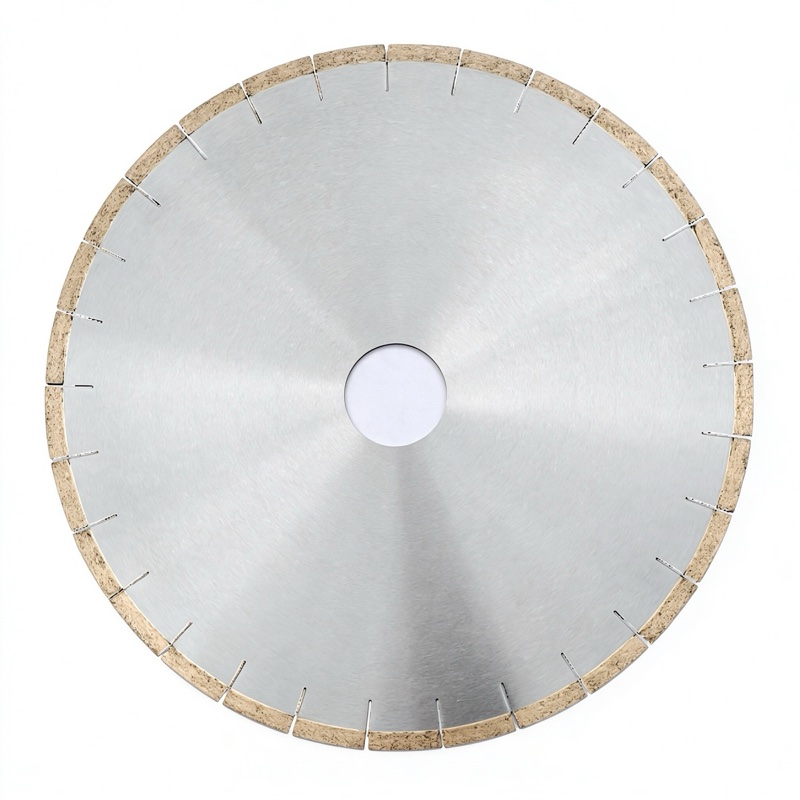
To cut concrete around pipes and rebar without damaging them, first locate everything below the surface with a rebar scanner or pipe detector, then cut shallow on both sides of the obstacle rather than driving the blade straight through it. Use a high-frequency welded blade that resists segment loss, reduce feed pressure when the blade hits steel, and stop before the obstacle itself. For pipes, cut up to within 10-20 mm of the pipe and finish the last bit with a chisel or small hand grinder; for rebar, cut the bar itself only if it is intended to be removed.
Cutting blind into a slab is the fastest way to turn a simple renovation into a plumbing repair. A diamond blade hitting a PVC pipe spins it and melts a groove through the wall; hitting a copper line punctures it instantly; hitting an electrical conduit nicks the wire insulation. On the structural side, cutting rebar in a footing or a load-bearing slab weakens the section and can void the warranty. The whole job starts with knowing what is in the concrete before the blade ever touches it.
Rebar in a slab is usually laid at about 50 mm below the top surface in a residential slab, and deeper in footings. Pipes are often run in a trench below the slab and poked up through, so they may not show on a surface scan at all. A scanner tells you what is there and how deep; it does not tell you what material the pipe is made of, so expose a small test patch by hand before making the full cut.
A rebar locator (cover meter) finds steel bars, shows depth, and maps spacing. For a few hundred dollars you can rent a unit that will map a whole slab before you start. If you do not have a scanner, a small magnetic stud finder gives a rough idea of rebar depth but misses non-ferrous pipes. For plumbing, a pipe inspection camera pushed through an existing cleanout is the surest way to confirm the route of a drain line.
When you expect to hit steel, use a high-frequency welded blade rather than a laser-welded economy blade. The higher weld strength holds segments on even when the blade contacts rebar at an angle, which is the exact moment segments usually throw. A straight-slot blade also tends to clear chips faster around an obstacle and reduces the chance of the blade binding. If you regularly cut near rebar, browse the full blade catalog and pick a segment height that matches the obstacle density.
Once you have mapped the pipe route, cut the opening in stages:
The goal is never to cut through the pipe. If you accidentally nick a drain line, do not try to keep going: stop, turn off the water, and repair or replace the pipe before you continue. A 20-minute repair now is cheaper than a torn-out slab later.
When the cut line crosses rebar, decide first whether the bar is structural. If it is in a load-bearing wall, footing, or suspended slab, do not cut it without an engineer's sign-off. If the bar is in a non-structural topping slab or a driveway, it can usually be cut. Cut concrete on both sides of the bar to full depth, then cut the bar itself with a diamond chop saw or an abrasive metal cut-off wheel, not with the concrete blade. Trying to cut the rebar with the concrete blade glazes the diamond segment on the steel and destroys the blade.
When you hit a bar mid-pass, slow the feed to almost a crawl. The blade will cut the steel, but it will do it roughly and throw sparks. Do not force the saw; let the segment work through at its own pace. If the bar is thicker than about 12 mm, make two or three light passes rather than one hard push, because a deep cut through steel can bind and crack the core.
Most damage around obstacles follows the same patterns:
Before any cut in an occupied building, confirm that all utilities to the area are shut off or clearly marked. A call to the utility locating service (the national "811" style line in most countries) is free and takes one day; it is never a reason to skip it.
Once the opening is cut, the last 10 mm around the obstacle is usually done by hand. Use a hand grinder with a diamond cup wheel for small cleanups, or a hammer and chisel for larger areas. Do not let the saw run deep into the corner of the opening; corners crack outward when the blade exits. Finish each corner by cutting from both sides, meeting at the corner rather than driving the blade through it. This keeps the surrounding slab intact and gives you a clean edge to patch around the new pipe or rebar tie.
Written and reviewed by JOY TECH — an SGS & BV audited, CE/RoHS certified diamond tools manufacturer founded in 2004, exporting to 50+ countries.
Our factory and QMS are audited by SGS and Bureau Veritas. Products meet CE/RoHS requirements and every piece is 100% inspected before packing.
Verified Certificates
