Average response time: under 24 hours
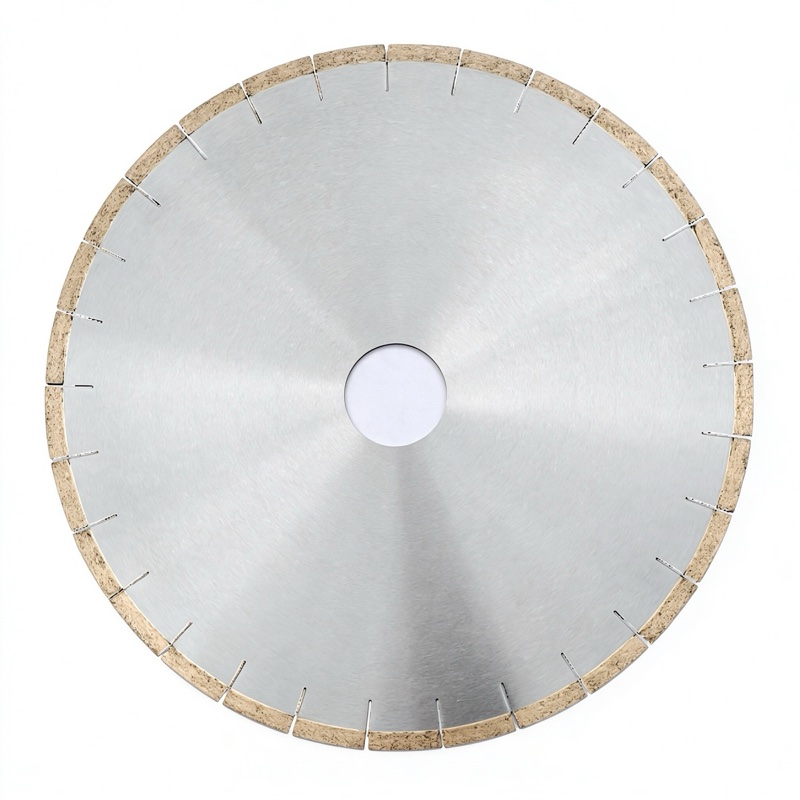
To cut concrete indoors without water, use a vacuum-rated handheld saw or walk-behind grinder connected to a HEPA extractor rated at least 150 CFM for a handheld unit and 300 CFM for a walk-behind machine. Fit a dry-cut segmented diamond blade, not a wet blade, and seal the work area with plastic sheeting and a floor chute. Dry cutting throws far more dust than wet cutting, so the dust collector is the primary safety control, not an accessory. If you cannot capture the dust at the source, do not cut indoors.
Wet cutting indoors creates a slurry that soaks gypsum board, stains timber, and runs down stairwells. The water also wets the dust into a thin paste that dries hard on every horizontal surface. In occupied buildings, you would spend more time protecting and cleaning than cutting. That is why renovation crews choose dry cutting with a proper dust system when the slab is inside a finished space.
Concrete dust contains crystalline silica. Dry cutting without a vacuum blows a cloud of respirable particles that settle everywhere and re-enter the air every time someone walks through the room. Even with a respirator, the cloud contaminates HVAC, furniture, and stored materials. The regulation-compliant setup is capture at the tool, containment at the zone, and respirators as a back-up rather than the main control.
Use a saw with a built-in dust port that mates to a 38 or 50 mm hose. Fit a dry segmented diamond blade with hard bonds for indoor dense slabs. A dry blade runs hotter than a wet blade, so take shallow passes and let it cool between cuts. A laser-welded segmented dry blade works well on interior slabs because the welded segments handle intermittent dry cuts without losing segments. Browse the diamond saw blade lineup for dry segmented blades with deep gullets that eject chips without water.
A handheld cut-off saw needs 150 CFM minimum at the port with a HEPA filter; a walk-behind floor saw needs 300-500 CFM. The filter must be rated for silica and cleaned or swapped every 4 to 8 hours of runtime. A clogged filter drops suction fast, and within minutes the saw throws dust out of the hood instead of pulling it into the bag. Use a push-clean filter or an automatic shaker if you run more than 2 hours straight.
Seal the doorways with 6 mil plastic sheeting and zipper tape. Run a negative air machine if the room has central HVAC that cannot be isolated. Wear a P100 or N95 respirator as a back-up, hearing protection, and gloves. Mark the area so no one walks through the dust plume. When you are chasing a wall, hang a drop cloth below the cut to catch chips before they reach the floor. Tape a floor chute under the saw line so chips fall into a bag rather than scattering across the room. Leave a window cracked for a slight outward draft, and keep the containment sealed until the vacuum has run for 10 minutes after the cut, so suspended dust settles before anyone enters.
Take shallow passes of 10-15 mm depth instead of one deep cut, because deep dry cuts overheat the blade and throw a bigger dust plume. Keep the saw moving at a steady pace, never dwelling in one spot. If the blade starts to smoke, stop and let it cool; smoking means the bond is glazing and the cut will get slower, not faster, if you keep pushing. For controlled joints, score first, then deepen in a second pass. Letting the blade breathe between passes keeps the segment temperature in range. Stop and empty the vacuum bag before it packs full, because a full bag starves the motor of airflow and drops suction at the hood.
For indoor dry work, choose a blade with a hard bond and deep gullets, because dry cutting relies on chip ejection rather than water cooling. If you are cutting reinforced concrete or a polished topping, talk to the JOY TECH team for a dry blade matched to your saw size and vacuum setup so you get clean cuts without water.
Written and reviewed by JOY TECH — an SGS & BV audited, CE/RoHS certified diamond tools manufacturer founded in 2004, exporting to 50+ countries.
Our factory and QMS are audited by SGS and Bureau Veritas. Products meet CE/RoHS requirements and every piece is 100% inspected before packing.
Verified Certificates
