Average response time: under 24 hours
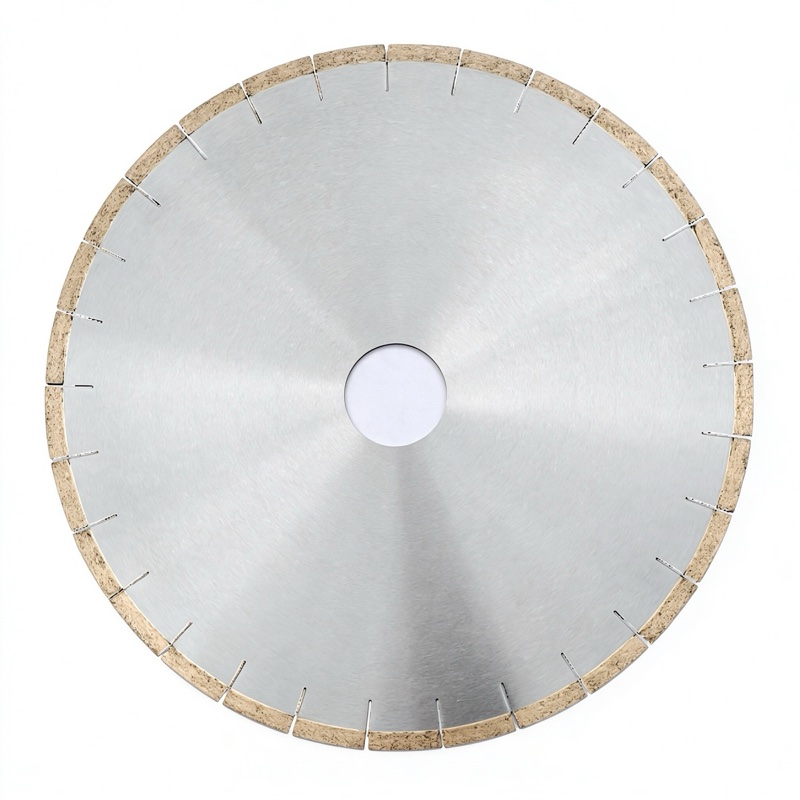
Yes, you can cut concrete with a circular saw if you fit a diamond blade rated for concrete and set the cut depth to no more than about 25 mm per pass for a handheld saw. Use a diamond saw blade matched to the saw arbor, cut wet when possible, and take multiple shallow passes for deep cuts. This works well for slabs, pavers, block and thin wall sections up to 100 mm.
Never cut concrete with a wood blade. Fit a diamond blade rated for concrete or masonry, with a continuous or segmented rim. Segmented rims remove dust fast and are best for dry cutting; continuous rims leave smoother edges and suit wet cutting. Check the blade arbor matches the saw spindle, or use the correct bushing. Confirm the maximum RPM marked on the blade is equal to or higher than the saw's RPM. A quality diamond saw blade cuts clean and stays sharp for hundreds of metres of cut.
Set the blade depth so it protrudes only 5-10 mm beyond the material thickness for through cuts, which minimises blade exposure and kickback. For deeper cuts than the blade can reach, set the depth to about 25 mm and make repeated passes, raising the depth slightly each pass. Trying to cut full depth in one pass on a 100 mm slab overloads the motor and burns the blade. Mark the finished depth with tape on the material so you know when you have reached it.
| Material | Recommended passes | Depth per pass |
|---|---|---|
| Paver, 50 mm | 1 pass | Full depth |
| Slab, 75 mm | 2-3 passes | 20-25 mm |
| Slab, 100 mm | 3-4 passes | 20-25 mm |
| Block, 150 mm | Score + break | 10-15 mm score |
Wet cutting with a water feed keeps the blade cool, reduces dust, and extends blade life. Attach a hose adapter or water bottle kit and keep a light water flow on the cut. Dry cutting is quicker to set up but creates fine silica dust, so wear an N95 or better respirator and position the saw to throw dust away from you. Some blades are rated for both, but dedicated wet or dry blades last longer when used as intended.
Clamp the material securely, mark the cut line, and let the saw reach full speed before entering the cut. Keep the base plate flat, push steadily without forcing, and never twist the saw in the cut. Support both sides of the cut so the piece does not sag and bind the blade. Wear eye protection, hearing protection, gloves, and closed-toe shoes. Keep the power cord clear of the blade path. Stop and check the blade if the motor labours or the blade glazes, and let a hot blade cool before touching it.
Multi-pass cuts leave a stepped edge. Clean it up with a diamond grinding disc on an angle grinder, running along the cut to blend the steps into a flat face. For exposed decorative edges, use a finer grit after the coarse pass. Brush out the slurry and dust, then rinse the surface before sealing or grouting.
Written and reviewed by JOY TECH — an SGS & BV audited, CE/RoHS certified diamond tools manufacturer founded in 2004, exporting to 50+ countries.
Our factory and QMS are audited by SGS and Bureau Veritas. Products meet CE/RoHS requirements and every piece is 100% inspected before packing.
Verified Certificates
