Average response time: under 24 hours
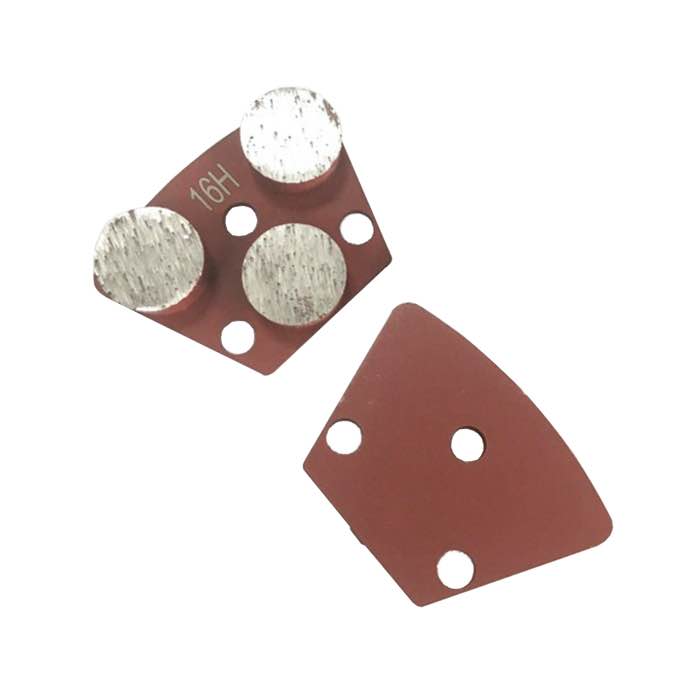
If your concrete grinder vibrates heavily, stop and isolate the cause: swap in a known-good wheel or disc, check the mounting flange for a bent face, then listen to the bearings. Most vibration comes from one missing or worn trapezoid segment, a glazed cup wheel, a bent flange, or a worn spindle bearing. Run the grinder off the floor at idle and watch the wheel rim; a slow wobble at idle points to imbalance, a fast buzz that only appears under load points to bearing or gear trouble.
A vibrating grinder does not cut evenly: it leaves oscillating gouges, chatter marks, and a wavy surface that shows under sealer. The operator feels it in the hands after an hour, but the tool feels it worse. Bearings, gearboxes, and motor mounts all fatigue faster when the machine shakes, and a loose disc can spit off at speed. Plan for daily vibration checks, because a small wobble today becomes a damaged gearbox next month.
Every floor grinder shakes a little; you want a steady hum, not a rattle. A healthy planetary grinder has a faint vibration that smooths out once the tool bites. A machine that shakes your bones, walks across the floor, or thumps once per revolution is telling you something is off.
Start with the cheapest suspect: the tooling. A trapezoid plate with one worn segment, or a cup wheel with a chipped segment, is the most common source. Swap in a fresh wheel such as a JOY-CW-DR double-row cup wheel; if the vibration vanishes, the old tooling was the problem and you saved a service call. Always rule out tooling before you touch the machine itself, because a bad bearing diagnosis starts with a wheel swap.
Check in this order, cheapest to most expensive:
If the vibration disappears at idle but returns only under cut, the cause is almost always a worn or glazed segment that loses bite. If it is there at idle, look at the flange, bearing, or a bent wheel. A quick tell: mark the wheel rim with a paint pen; if the mark stays in the same place while the wobble point moves, the imbalance is in the tool, not the floor.
Allow no more than 0.1 mm of side play at the spindle by hand; anything more means the bearing is going. Flange runout should be under 0.05 mm when measured with a dial indicator; a bent flange reads 0.2 mm or more and will shake a new wheel. Replace the flange rather than shimming it.
A cup wheel that loses more than one segment in a row should be retired, because the remaining segments now carry double the load and the imbalance grows fast. Glazed wheels vibrate because they skip instead of cut; dress them on an abrasive block or replace them if the bond has hardened past recovery.
The quietest culprit is a loose mounting bolt on the motor or gearbox. These rattle only under load and feel just like a bad bearing. Check them with a socket at the start of every week, before you start disassembling anything.
Always lock out power before changing wheels, and let the tool spin down fully before setting it on the floor. Keep a spare cup wheel or trapezoid set on site so you can test the swap in two minutes. For consistent, balanced tooling, compare options in the JOY-TP-R3 trapezoid range; matched sets wear evenly and vibrate less.
If you have swapped wheels, cleaned flanges, and still feel heavy vibration, the machine likely needs bearing service. Send us the grinder make and model through our contact page; we will point you to the right replacement tooling or a service center that can reset runout. A simple rule: if the vibration disappears with the wheel removed, the problem is tooling; if it stays, look at the machine.
Written and reviewed by JOY TECH — an SGS & BV audited, CE/RoHS certified diamond tools manufacturer founded in 2004, exporting to 50+ countries.
Our factory and QMS are audited by SGS and Bureau Veritas. Products meet CE/RoHS requirements and every piece is 100% inspected before packing.
Verified Certificates
