Average response time: under 24 hours
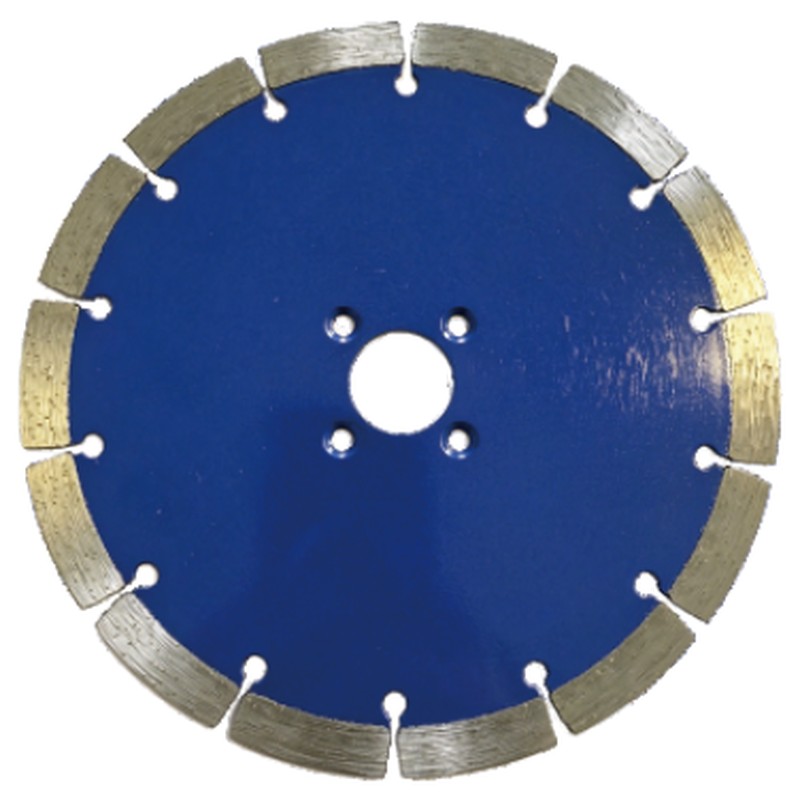
Yes, a diamond blade cuts PVC and plastic pipe cleanly — but only if you control speed. Plastic melts when the blade runs hot, so use a fine-rim (continuous or fine-tooth) diamond blade at moderate RPM, feed gently, and keep the cut short. For most plumbing work, a fine-tooth carbide blade or a dedicated plastic-cutting saw is actually the better tool. A diamond blade shines when you're cutting PVC that contains fillers, fiberglass-reinforced pipe, or thick-wall conduit where carbide dulls.
| Pipe Type | Best Tool | Diamond OK? |
|---|---|---|
| Standard PVC (white) | Fine-tooth carbide saw, ratchet cutter | OK with slow feed |
| Fiberglass reinforced (FRP) | Diamond blade | Best choice |
| Thick-wall conduit | Diamond or carbide | Good |
| CPVC / PEX | Pipe cutter | Not needed |
A turbo dry blade cuts through filled and FRP plastic, while standard PVC is best handled with a fine-tooth carbide saw.
A>Only if you over-speed or force it. At moderate RPM with a fine rim, it cuts clean chips.
A>For standard PVC, a fine-tooth carbide blade or ratchet cutter. For FRP and filled plastic, a diamond blade.
A>Yes, with a fine diamond blade at low RPM and light passes — but a hacksaw or pipe cutter is often easier.
A>A little water prevents melting on long cuts, but isn't required for short pipe cuts.
Diamond blades cut filled and FRP plastic cleanly at controlled speed. Browse our small-diameter blade range for grinders and pipe saws.
Escrito y revisado por JOY TECH - fabricante de herramientas de diamante auditado por SGS y BV, certificado CE/RoHS, fundado en 2004 y con exportaciones a más de 50 países.
Nuestra fábrica y sistema de gestión de calidad son auditados por SGS y Bureau Veritas. Los productos cumplen los requisitos CE/RoHS y cada pieza se inspecciona al 100 % antes del embalaje.
Verified Certificates
