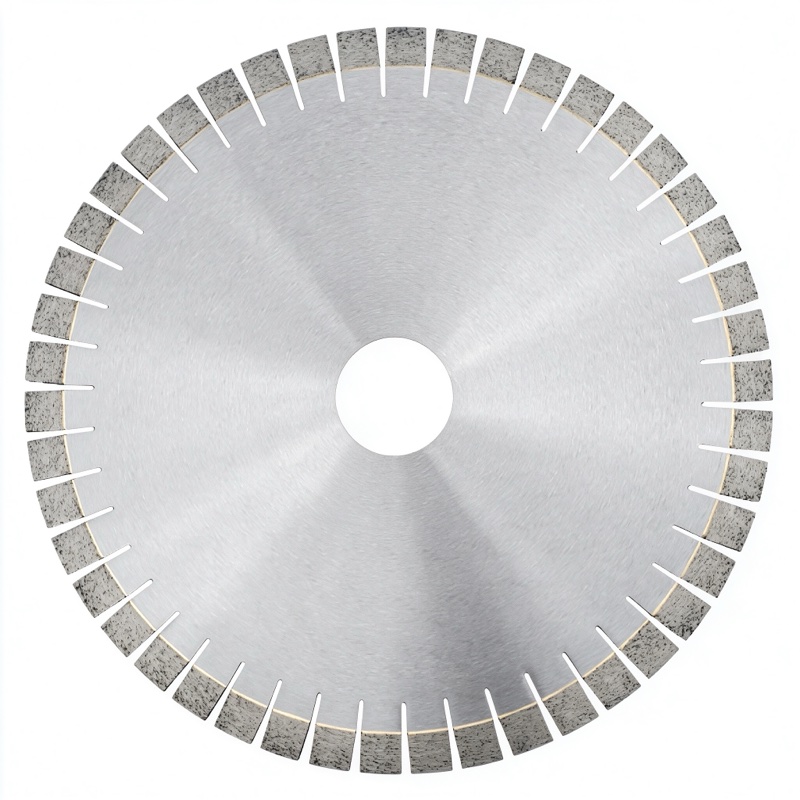
A diamond blade stops cutting when its segments glaze over: the metal bond wears away slower than the diamond grit dulls, leaving a smooth, polished segment surface with no exposed sharp diamonds. You can often restore it by dressing the blade - cutting through an abrasive dressing material (such as a clay brick, cinder block or abrasive dressing stone) for 20-30 seconds to wear the bond down and expose fresh diamonds. If glazing keeps returning, the bond is too hard for your material or you are overheating the blade, and you need a softer-bond blade or better cooling.
Instead of cutting with a steady, slight grind noise, a glazed blade spins without removing material, wanders, smells hot, or burns the edge. Inspect the segments: they look shiny, smooth and polished rather than rough with visible diamond grit. You are pushing harder and getting less cut, which wastes time and risks overheating.
Dressing is the simplest repair. Put on safety gear and let the blade spin at operating speed, then cut a soft abrasive material - a red clay brick, cinder block, or a dedicated diamond dressing stone - several times. The abrasive wears the bond matrix away, exposing fresh sharp diamonds. Within 20-30 seconds the blade should bite again. On floor saws, you can also make a few passes through an abrasive dressing block. Use a quality blade matched to your material in the first place, such as our short-segment granite blade, which uses a bond tuned to wear correctly on hard stone.
| Symptom | Cause | Fix |
|---|---|---|
| Shiny smooth segments | Glazing | Dress on brick / dressing stone |
| Glazes again quickly | Bond too hard | Switch to softer-bond blade |
| Blue / burnt segments | Overheating | More water / slower feed / shallower cuts |
| Wanders, no bite | Dull diamonds | Dress or replace blade |
Match the bond to the material: hard bond for soft abrasive concrete, soft bond for hard granite. Always cut with a positive load (not free-spin), and keep wet cutting wet. If you cut mostly hard stone, order blades with a softer bond - long-segment granite blades are tuned for free cutting on hard rock.
Glazing is predictable once you understand the bond-wear balance. The simplest prevention is matching the bond to the material: hard concrete or granite needs a soft-bond blade so the matrix wears as diamonds dull; soft, abrasive concrete needs a harder bond so diamonds are not pulled out prematurely. If you keep glazing the same blade on the same material, the bond is wrong, not the operator.
Cutting technique also prevents glazing. Keep the blade under steady load - free-spinning in the air overheats and polishes the segment face. On wet jobs, maintain water flow so swarf does not bake onto the rim. Store blades flat and dry to prevent rust that unevenly wears segments. With the right bond and clean technique, dressing becomes a rare event rather than a daily chore.
If dressing no longer restores cutting, segments are worn thin, or the core is discolored and warped, replace the blade rather than forcing it. A glazed blade is cheap to fix; a worn-out blade that fails under load is dangerous. Know the difference.
Keep a dressing brick on the truck. It takes seconds to use and can rescue a glazed blade mid-job without downtime.
Concrete may be too hard or inconsistent. A soft brick or dressing stone gives controlled, even bond wear.
When segments are worn down to the core or dressing no longer restores cutting, replace it.
No, if caught early. Repeated overheating, though, can lose diamonds and warp the core.
A glazed blade is usually fixable by dressing, but persistent glazing signals a bond mismatch. Dress it once, then use the correct bond for your material. The takeaway is that glazing is usually a fixable dressing job or a bond mismatch. Dress the blade, then use the bond your material actually needs, and cutting becomes reliable again. Contact JOY TECH for a quote on matched-bond blades for concrete, granite and stone.
