Average response time: under 24 hours
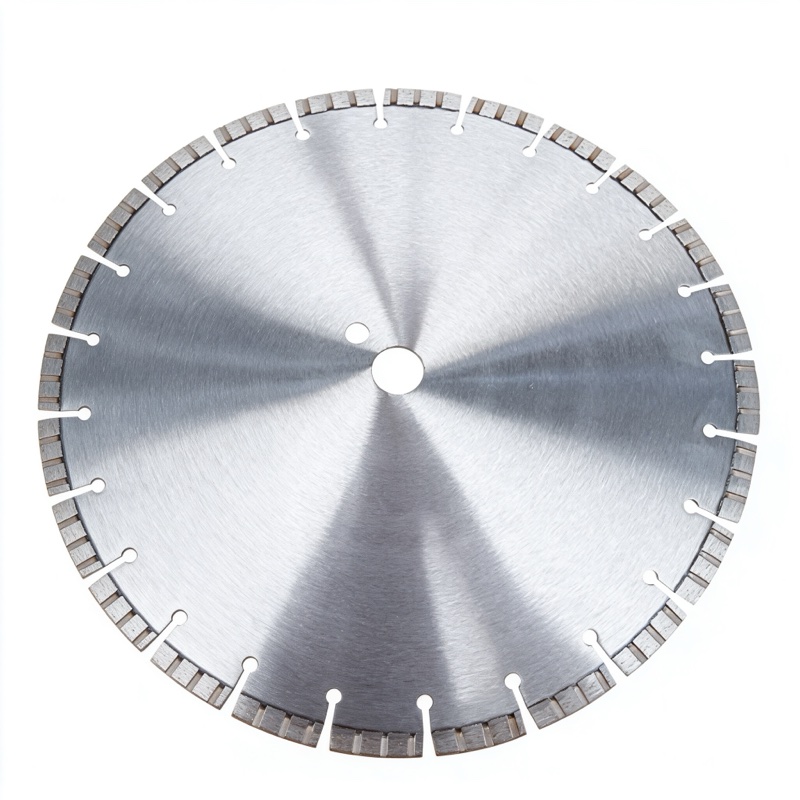
Quick Answer: Most diamond blade noise and vibration comes from running the wrong blade at the wrong speed, using a worn or warped blade, or forcing the cut. general-purpose turbo blade. Fix the root cause first: match the blade to the material, stay inside the rated RPM, and let the blade do the work with a steady feed.
Vibration builds when segments wear unevenly, the core is warped, or the blade runs above its rated speed and whips at the arbor. A blade with a damaged or out-of-round core transmits every imbalance straight into the saw and your hands. Loose flanges, a dirty arbor seat, or a worn bushing on the saw itself all amplify the shake, so inspect the mounting hardware before blaming the blade.
Silent-core blades carry laser-cut slots or copper-filled holes that interrupt resonance and cut noise noticeably. For concrete and asphalt, a silent-core blade is a good upgrade, while a protective-tooth blade with cooling slots also damps resonance on long runs. If the noise is a metallic ring rather than a growl, the blade is likely resonating and a slotted core will fix it faster than a speed change.
Keep the blade speed inside the range printed on the core. Too slow makes the segments rub and glaze; too fast whips the blade and vibrates the machine. Feed at a steady pace with light, even pressure and let the blade pull itself through the cut. Jerky or angled feeds bend the blade in the kerf and cause both vibration and a wandering line. On hand-held saws, plant both feet, grip firmly, and start the cut on the waste side of the mark.
Dress the blade when it feels rough or sounds dull, and store blades flat with a cardboard spacer between them so the cores never rest edge-on. Check the flanges for burrs and replace worn bushes on the saw. If vibration persists after all this, test a new blade on the same machine to isolate whether the source is the blade or the saw.
New segmented blades are noisier than continuous-rim blades while the segments bed in. Run the blade for a few minutes on a soft block, then re-check; if it stays rough, the blade is glazing and needs dressing.
Do not try to hammer a warped core straight. A distorted blade is dangerous and should be replaced. The same applies to blades with cracks near the slots, which can shed segments at speed.
Pair a well-balanced silent-core diamond blade with correct RPM and a steady feed, and keep the arbor hardware clean, to cut down both noise and vibration while protecting your saw and your hearing.
Written and reviewed by JOY TECH — an SGS & BV audited, CE/RoHS certified diamond tools manufacturer founded in 2004, exporting to 50+ countries.
Our factory and QMS are audited by SGS and Bureau Veritas. Products meet CE/RoHS requirements and every piece is 100% inspected before packing.
Verified Certificates
