Average response time: under 24 hours
When a slab leak or cracked drain needs repair, coring a 4-6 inch access hole with a wet diamond core bit is faster, cleaner, and less structurally damaging than jackhammering. Locate the line with electronic leak detection, scan for rebar and PEX, core vertically with a rig, repair the pipe, then backfill with a rapid-set hydraulic concrete. A wet diamond core bit cuts through 3000-4000 psi slab concrete in minutes and leaves a round plug you can reuse as a patch.
Slab foundations are poured concrete 4-6 inches thick, reinforced with wire mesh or rebar and often containing PEX, copper, or cast-iron lines. A jackhammer scatters dust, micro-cracks the surrounding slab, and disrupts the soil bed. A diamond core drill produces a neat cylindrical hole, leaves the rest of the slab intact, and the removed core can be put back as a plug once the repair is done.
Coring also works when the leak is under a finished floor, tile, or hardwood. A controlled access hole avoids the multi-day demo and re-tile cost of a wide break-out. For repeated access points in commercial buildings, plumbers keep a small coring rig on the truck.
Never core blind. Slabs contain water lines, sewer lines, gas lines, and electrical conduit at unknown depths. Use electronic leak detection, ground-penetrating radar, or a plumber with a pipe locator to mark the exact run. Once you know the line, mark a hole 12-18 inches long on either side of the repair so you have room to swing a cutter or soldering torch.
Scan for rebar. Slab mesh is usually #4 rebar at 12-inch spacing. A turbo segmented wet bit cuts light rebar, but you want to minimize steel encounters because each rebar hit slows the cut and wears segments. If the scan shows heavy rebar directly in your path, shift the hole a few inches rather than fighting through.
| Hole size | Typical use | Bit style | RPM |
|---|---|---|---|
| 4 inches | 1/2-1 inch water line | Turbo segmented wet | 600-900 |
| 6 inches | 2-3 inch drain repair | Turbo segmented wet | 400-700 |
| 8 inches | Sewer trap or cleanout | Segmented wet, rig-mounted | 300-500 |
| 10+ inches | Main line access | Large diameter rig barrel | 200-400 |
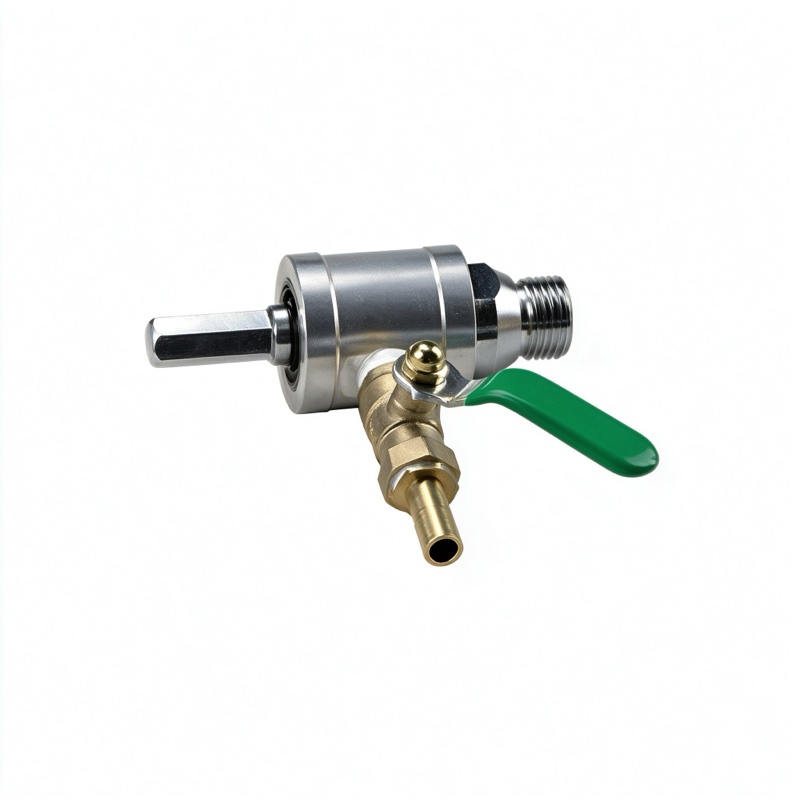
Use a wet rig with a vacuum base or anchor bolt. A handheld core drill on a 6-inch slab will torque your arm. Feed water through a water valve adapter so you can stop the flow when you break through the underside and avoid flooding the crawl space. Catch slurry with a ring dam and a wet/dry vacuum.
Pull the core, perform the pipe repair, pressure-test the line, and inspect the bedding soil. If the soil was washed out by the leak, tamp gravel or sand under the pipe before pouring. To patch, brush the hole walls, apply a bonding agent, and pour a non-shrink grout or rapid-set concrete that matches the slab height. Reuse the original concrete core as a visual marker if you prefer; set it into the fresh grout flush with the floor.
For finished floors, let the patch cure fully (usually 24 hours for rapid-set, 7 days for standard concrete) before re-tiling or re-installing hardwood. Walking on the patch early creates a weak joint that cracks later.
Before closing the slab, pressure-test the new line at the working pressure for at least 30 minutes. On water lines, watch the gauge; on drain lines, run a 5-gallon bucket of water and inspect the joint. Catching a leak now, with the hole open, is a 10-minute fix; catching it after the slab is patched means re-coring. Also check that the pipe bedding is firm, because a hollow pipe under a new concrete patch can crack under foot traffic.
Choose a patch material matched to the slab. Standard concrete takes a week to cure; rapid-set hydraulic cement takes 24 hours but is slightly weaker. For a walk-on patio or garage, rapid-set is fine. For a driveway or a slab under a load-bearing wall, use a structural non-shrink grout and let it cure the full seven days before driving on it. Texture the patch to match the surrounding slab so it does not stand out.
Coring is more expensive per hole in labor, but it saves thousands on floor repair and dust cleanup in finished buildings. On open slabs, jackhammering may still be cheaper.
A 6-inch hole in a 4-inch slab is a local penetration, not a structural concern. Avoid coring within 12 inches of a foundation edge or load-bearing wall without an engineer's input.
Stop immediately. If the bit has nicked a copper or PEX line, the repair crew will have to replace that section anyway; the core hole simply becomes larger access.
Most jurisdictions require a plumbing permit for slab leak repairs, and some require a structural review if the slab is load-bearing. Check local codes before cutting.
Diamond coring has become the default access method for slab plumbing repairs because it is fast, precise, and leaves the surrounding structure intact. Locate the line, scan the steel, cut wet, and patch carefully, and the floor will look and perform like new.
Written and reviewed by JOY TECH — an SGS & BV audited, CE/RoHS certified diamond tools manufacturer founded in 2004, exporting to 50+ countries.
Our factory and QMS are audited by SGS and Bureau Veritas. Products meet CE/RoHS requirements and every piece is 100% inspected before packing.
Verified Certificates
