Quick Answer
Using a diamond cup wheel on an angle grinder is safe only with the right RPM, a proper guard, and the correct tooling size. Match the wheel’s rated maximum RPM to your grinder (a 125mm cup wheel typically rates at 12,200–13,300 RPM — never exceed it), always run the supplied blade guard set at the 0–180° position, use two hands, and wear a P95 respirator, safety glasses, and gloves. Diamond cup wheels are among the safest grinding attachments when used correctly, but overspeeding or removing the guard is the main cause of serious injuries.
Match the Wheel to the Grinder
- Diameter: use the wheel size the grinder is rated for (100/115/125/180/230mm). Never mount a larger wheel — the guard and RPM rating won’t match.
- RPM: check the max RPM printed on the wheel. A grinder running above that rating can burst the wheel.
- Arbor: the wheel must fit the spindle (typically M14 or 22.23mm). A loose fit causes vibration and wheel wobble.
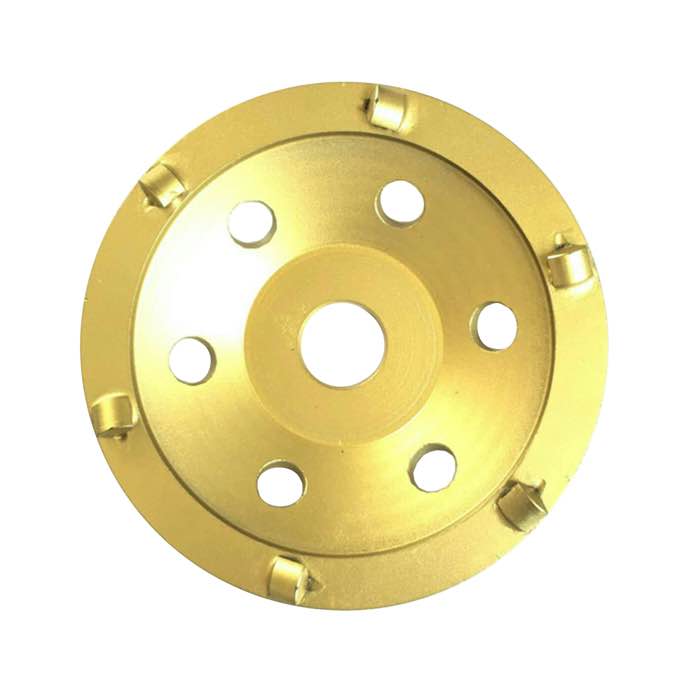
- Wet or dry: pick a wheel rated for your job. Dry-rated cup wheels like PCD Cup Wheels for Floor Preparation can be used without water but still need dust control.
Before You Start
- Inspect the wheel for cracks, chips, or a missing label — discard damaged wheels.
- Confirm the guard is fitted and positioned to deflect sparks and dust away from you.
- Check the disc spins freely without wobble; tighten the flange nut securely.
- Connect a dust shroud and HEPA vacuum, or wet the surface to control silica dust.
- Wear a P95/N95 respirator, impact-rated safety glasses, hearing protection, and gloves.
Safe Operating Technique
- Two hands always — use the side handle; cup wheels grab hard when they hit an edge.
- Let the wheel reach full speed before touching the concrete — starting under load stalls and kicks back.
- Light, even pressure — let the diamonds cut; forcing the wheel overloads the motor and wears the bond.
- Keep the wheel flat — grinding on the edge or tilting the disc cuts grooves and can catch.
- Move in overlapping passes — avoid staying in one spot, which overheats the wheel.
- Stop and inspect every few minutes — check for segment loss, wobble, or heat damage.
What Never to Do
- Never remove the guard for a "better view" — it is your primary deflection protection.
- Never use a worn or undersized wheel at high speed — replacement is cheap, injury is not.
- Never grind metal with a concrete cup wheel or vice versa.
- Never let the cord or your body cross the wheel’s line of rotation.
Frequently Asked Questions
Q: What RPM should I run a 125mm diamond cup wheel at?
A: Check the wheel’s label; most 125mm cup wheels are rated at 12,200–13,300 RPM. Ensure your grinder’s no-load speed does not exceed that figure. Many angle grinders spin at 10,000–11,000 RPM under load, which is fine.
Q: Is it safe to grind concrete without the guard?
A: No. The guard contains debris, deflects sparks, and protects your hands and face if the wheel shatters. Grinding without it is the leading cause of angle-grinder injuries. If your grinder has no guard, use a dedicated dust-shroud attachment that acts as a guard.
Q: Do I need a dust shroud and vacuum?
A: Legally and practically, yes for dry grinding. Silica dust is a serious respiratory hazard and exposure limits are strict in most countries. A shrouded 125mm grinder with HEPA vacuum captures 95%+ of dust at the source.
Q: Can I use a PCD cup wheel for general grinding?
A: PCD wheels are for coating removal and aggressive stock removal, not finishing. For general concrete grinding and smoothing, use a metal-bond diamond cup wheel at 30/40–80/120 grit.
Q: How do I know when to replace a cup wheel?
A: Replace it when segments are worn below about 2mm, when cutting speed drops noticeably, when the wheel vibrates, or if segments crack or separate. A worn wheel also runs hotter and is more likely to fail.
Conclusion
Diamond cup wheels on angle grinders are safe, effective tools when the wheel matches the grinder, the guard stays on, dust is controlled, and you use two hands with even pressure. Choose a properly rated wheel for your job — such as JOY PCD cup wheels for floor prep, a metal-bond trapezoid disc, or a standard cup wheel for smoothing — and treat every wheel as a high-speed cutting tool that deserves respect.