Average response time: under 24 hours
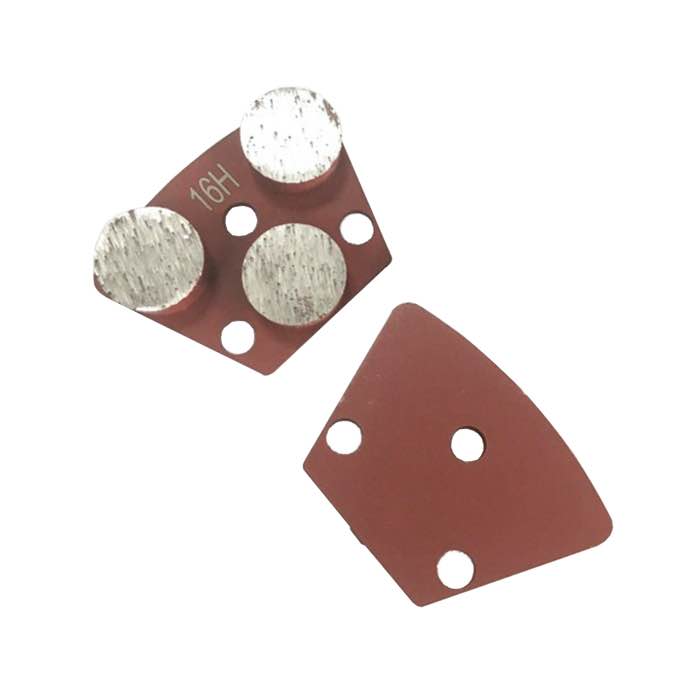
New diamond segments cut slowly at first because the fresh metal bond covers the diamond grit, and the grit needs to wear through the cover before it can bite. Break them in on soft, abrasive concrete or a curing block for 3 to 5 minutes, using light pressure and moderate speed, until the segment face opens up and cuts at normal feed. Do not force a new tool by pushing hard; that just glazes the bond and creates a tool that will never cut well. Once the face shows exposed grit, the tool is seated and will run at full life.
A new segment is a cylinder of metal bond with diamond particles locked inside. The top surface, as manufactured, is almost pure bond; the diamonds below have not been exposed. The tool cannot cut until the top layer of bond wears away and the diamonds project. On hard concrete that wears bond slowly, this break-in can take an hour if you let it happen naturally, which feels like a dull tool.
Break-in and glazing look similar at first: the tool cuts slowly and the face looks smooth. But break-in fixes itself once abrasive concrete wears the face, while glazing is caused by a bond that is too hard for the material, and it never self-corrects. If after 10 minutes of break-in the face is still glassy and polished, you have a bond mismatch, not a new-tool slow start.
Seat new segments on something abrasive: a soft-worn slab, a cinder block, or a proprietary break-in block. The JOY-TP-R3 triple-round-segment disc seats fast because the round profile exposes grit evenly across the face. A fresh JOY-TP-R3 disc opens up in a few minutes on soft concrete, compared with 20 minutes on a dense power-troweled slab.
Seat a new blade or disc in this order:
Signs the tool is seated: the cut sound gets sharper, dust turns from powder to coarse chips, and the feed feels lighter. If you still have to lean on the machine after 5 minutes, switch to a softer abrasive break-in block rather than forcing the job slab. On saw blades, a seated tool throws a steady stream of slurry; an unseated blade throws mostly water and fine dust.
A new saw blade needs 1 to 2 minutes of light wet cutting before full depth; a new grinding disc needs 3 to 5 minutes on abrasive concrete. Pressure should be light: let the tool's own weight bite, and avoid leaning into it during break-in. Heavy pressure during seating rounds the segment corners and creates a glazed face that is hard to recover.
If after 10 minutes of proper break-in the tool still skates over the surface without cutting, the bond is wrong for the material. Switch to a softer bond, or dress the tool on an abrasive block for another 5 minutes. A glazed tool that refuses to open after dressing should be returned under warranty rather than forced through the job.
The most expensive mistake is returning a perfectly good tool thinking it is dull, when it just needed three minutes on a break-in block. Build break-in time into the job plan: account for 5 minutes of seating before the first production pass, and the crew will not fight a slow tool all morning.
Always run new tooling at the manufacturer's recommended rpm; overspeeding during break-in heats the bond and accelerates glazing. Keep water on blades and a shroud on discs. For grinding, compare profiles and bonds across the cup wheel and trapezoid range so your next order matches the concrete you actually cut.
If your new segments refuse to seat after proper break-in, tell us the concrete mix, bond, and tool type through our contact page; we will confirm whether it is a seating issue or a bond mismatch and recommend the right replacement.
Written and reviewed by JOY TECH — an SGS & BV audited, CE/RoHS certified diamond tools manufacturer founded in 2004, exporting to 50+ countries.
Our factory and QMS are audited by SGS and Bureau Veritas. Products meet CE/RoHS requirements and every piece is 100% inspected before packing.
Verified Certificates
