Average response time: under 24 hours
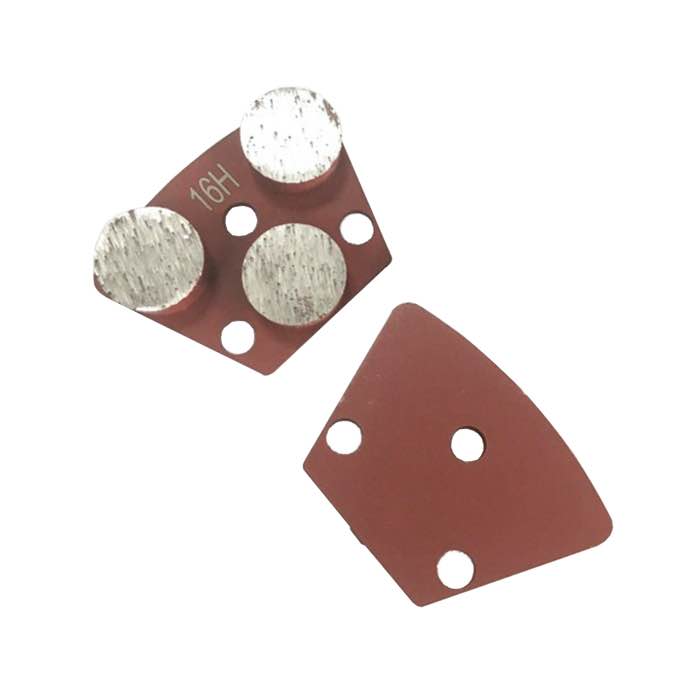
Diamond tools are a mixed inventory: fast blades and common grinding shoes sit beside slow specialty segments, large cup wheels, and low-volume core bits. Distributors tie up cash in stock that does not turn, while running out of the few SKUs that drive most orders. This guide sets a SKU grading method, turnover-day targets, slow-mover and dead-stock criteria, bundle and transfer options, and the warehouse cost figures buyers should use. It is written for distributors, purchasing managers, and warehouse supervisors. Figures are planning ranges; grit and diameter references follow metal-bond shoes in 16 to 40 grit and blades from 105 to 500 mm.
Not every SKU should turn at the same speed. Standard blades, common shoes, and pads repeat across many jobs and move quickly; specialty segments, custom diameters, and niche core bits sell in smaller batches and sit between orders. Group SKUs by tool type, then grade each group by sales velocity rather than comparing a blade to a large cup wheel. Season and substrate also move the numbers: tools tied to a local mix or popular finish sell year round, while rare stone or one-off demolition tools sell in bursts.
Grade the catalog by revenue and units over the last 6 to 12 months. A-grade SKUs are the roughly 20 percent of items producing 70 to 80 percent of revenue: standard blades, popular shoe grits, fast-moving pads. B-grade items are about 30 percent of SKUs contributing 15 to 20 percent of revenue, steady sellers with occasional gaps. C-grade items are the remaining 50 percent, contributing 5 to 10 percent: specialty segments, odd diameters, low-volume accessories. Keep a simple table per SKU with units, revenue, stock, last sale, and grade, and re-grade every quarter.
Turnover days equal average stock on hand divided by average daily sales; annual turn is 365 divided by those days. Targets differ by grade. A-grade SKUs turn 6 to 8 times per year, about 45 to 60 days on hand, and stay in stock through lead time. B-grade turns 3 to 5 times per year, about 75 to 120 days. C-grade turns 1 to 2 times per year, about 180 to 360 days, held only where repeat demand justifies space. Compare each SKU to its grade target, not the catalog average.
| Segment | Age bracket | Turnover target | Action |
|---|---|---|---|
| A: standard blades, popular shoes, pads | Under 60 days | 6 to 8 turns per year | Replenish to 45 to 60 days on hand |
| B: steady sellers, mid-volume grits | 60 to 120 days | 3 to 5 turns per year | Hold 75 to 120 days, watch gaps |
| C: specialty segments, odd diameters | 120 to 360 days | 1 to 2 turns per year | Minimum lot, review each quarter |
| Dead stock: no sale over 12 months | Over 365 days | No turn expected | Discount 30 to 50 percent or transfer |
Define slow movers by age since last sale. A SKU with no sale in 90 days is a watch item: check whether demand dropped, the listing is hard to find, or the price sits above comparable stock. No sale in 180 days is slow-moving stock for promotion, transfer, or return. Items over 12 months without sale count as dead stock with the highest obsolescence risk. Separate age by category: a seasonal tool in its off-season should not be marked dead on the 180-day clock.
Slow stock clears faster when paired with a fast mover rather than discounted alone. Bundle a slow shoe grit with a popular blade, or group pads by polishing stage, so the accessory moves with the repeat item. Price bundles at a 10 to 20 percent combined discount rather than cutting the slow SKU to a loss, and target customers who already buy the fast mover. Cross-region transfer moves stock where local demand exists; confirm the receiving region can sell within 90 to 120 days, account for freight, and update records on both sides.
Holding stock costs more than the purchase price. Plan a carrying cost of 20 to 30 percent of unit cost per year, covering bin space, insurance, handling, capital tied up, and shrinkage. A slow SKU held 12 months adds roughly a quarter of its cost to the real unit expense. Obsolescence compounds: items over 12 months usually need a 30 to 50 percent discount to move, and tools with exposed segments or rusted backing should be graded down rather than held at full price.
Set the reorder point from lead time and demand, not a fixed bin level. For an A item with a 30 to 45 day supplier lead, keep safety stock of 15 to 30 days of average demand on top of lead-time stock, so a late shipment does not leave a gap. Reorder when on hand plus incoming reaches the point, and cap quantity to grade target days. B and C items carry thinner safety stock, 7 to 15 days for B and a minimum lot for C; review minimum order quantities with the supplier for slow SKUs.
When placing bulk orders, ask the supplier for real lead time, minimum order quantity, available stock, and return or exchange terms per SKU, not just catalog price. Compare delivery record against the 30 to 45 day planning lead, and confirm whether discontinued lines can be returned or swapped. Order A items to 45 to 60 days of demand, B to 75 to 120 days, and keep C to minimum lots unless a repeat order is on the books. A quarterly review ties grading, turnover days, carrying cost, and reorder points together: grade, flag overstock, clear slow stock, and adjust the next order to actual demand.
Written and reviewed by JOY TECH — an SGS & BV audited, CE/RoHS certified diamond tools manufacturer founded in 2004, exporting to 50+ countries.
Our factory and QMS are audited by SGS and Bureau Veritas. Products meet CE/RoHS requirements and every piece is 100% inspected before packing.
Verified Certificates
