Average response time: under 24 hours
To maintain diamond tools between jobs, clean the tool after each shift, inspect segments for cracks or uneven wear, run it at the correct RPM, respect wet and dry cooling rules, dress glazed tools, and store blades flat or hung and grinding discs in their dry packaging. Done consistently, these habits typically extend tool life by 30 to 50 percent and cut the cost per metre of cut.
Diamond tools look simple from the outside, but they are precision composites: diamond grit locked in a tuned metal bond, sintered or welded onto a steel core. Premium saw blades often use 1.4034 spring steel that must run safely at up to several thousand RPM. A cared-for tool cuts predictably job after job, while a neglected one glazes, overheats, sheds segments and wastes money. Most premature failures are not caused by a bad batch - they are caused by overheating, wrong speed, caked slurry and rough handling. Maintenance between jobs is where that investment actually pays back.
After each shift, brush slurry and dust off the segments with a wire brush and blow out the gullets with low-pressure air. Caked concrete powder traps heat and wears the bond unevenly. For wet cutting, keep water flowing steadily - enough to flush the kerf, but not so much that you wash away the abrasive swarf that helps the bond self-sharpen. For dry grinding and dry cutting, let the tool cool between heavy passes instead of redlining it all shift. When you compare diamond saw blades, ask the supplier whether each model is wet-only, dry-capable or both - then respect that rating every single day on site.
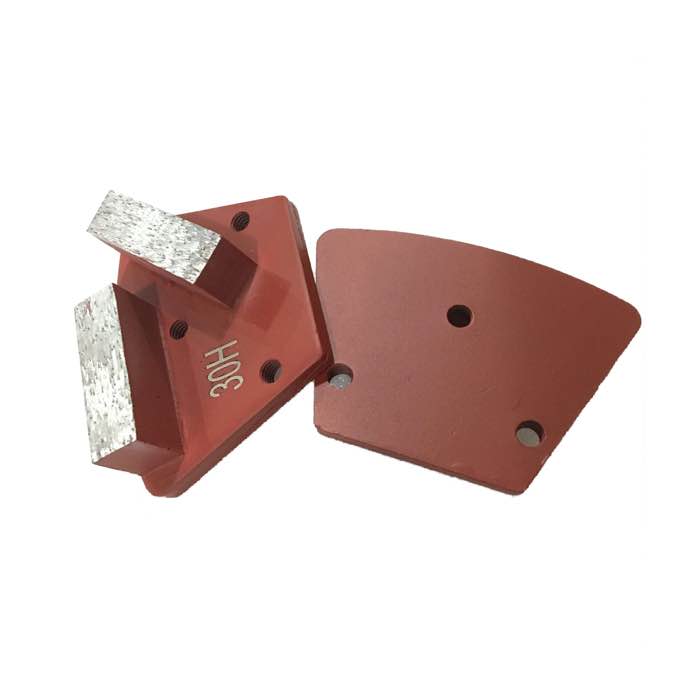
A glazed tool stops cutting because the bond wears slower than the diamonds dull. Dress it by making a few passes through a soft abrasive - a dummy concrete block or a dressing brick - which exposes fresh grit and restores free cutting. On floor grinding tools, rotate the plate by a quarter turn between grinding tanks so wear stays even, and flip multi-segment plates to balance wear across the whole head. Even wear matters twice: it protects the tool and it keeps your floor flat, which is the whole point of using diamond grinding discs properly.
Replace a tool when segments are worn down to roughly 2 mm of remaining height, when a segment cracks or sheds, when cut quality drops sharply despite dressing, or when the core shows bent runout. Squeezing a few more cuts out of an expired tool is a false economy: the last drops of life cost you in rework, vibration and safety risk. Good tooling is designed to wear predictably, so you can plan replacements before they hurt production.
Whenever it glazes - usually obvious from smoke, rising noise or a wandering cut. A 10 to 15 second pass through a dressing brick exposes fresh grit and restores free cutting.
Yes. Dry-capable blades tolerate water and actually last longer when cooled. The reverse is dangerous: a wet-only blade should never be run dry.
Yes. Slurry buildup insulates the segments, raises running temperature and polishes the diamond grit flat. A 60-second brush-off after each shift is the cheapest life extension you have.
Stay below the rating stamped on the blade, commonly 4,500 to 6,600 RPM. Match the surface speed the manufacturer recommends for the material, not the maximum the saw can deliver.
Maintenance between jobs is simple: inspect before use, clean after use, cool correctly, dress when glazing starts, and store tools dry and flat. Treated this way, your consumables budget drops while cut quality stays predictable. Start by matching the tool to the job, then protect it - and compare factory-direct specifications on our diamond saw blades and diamond grinding discs pages before your next order.
Written and reviewed by JOY TECH — an SGS & BV audited, CE/RoHS certified diamond tools manufacturer founded in 2004, exporting to 50+ countries.
Our factory and QMS are audited by SGS and Bureau Veritas. Products meet CE/RoHS requirements and every piece is 100% inspected before packing.
Verified Certificates
