Average response time: under 24 hours
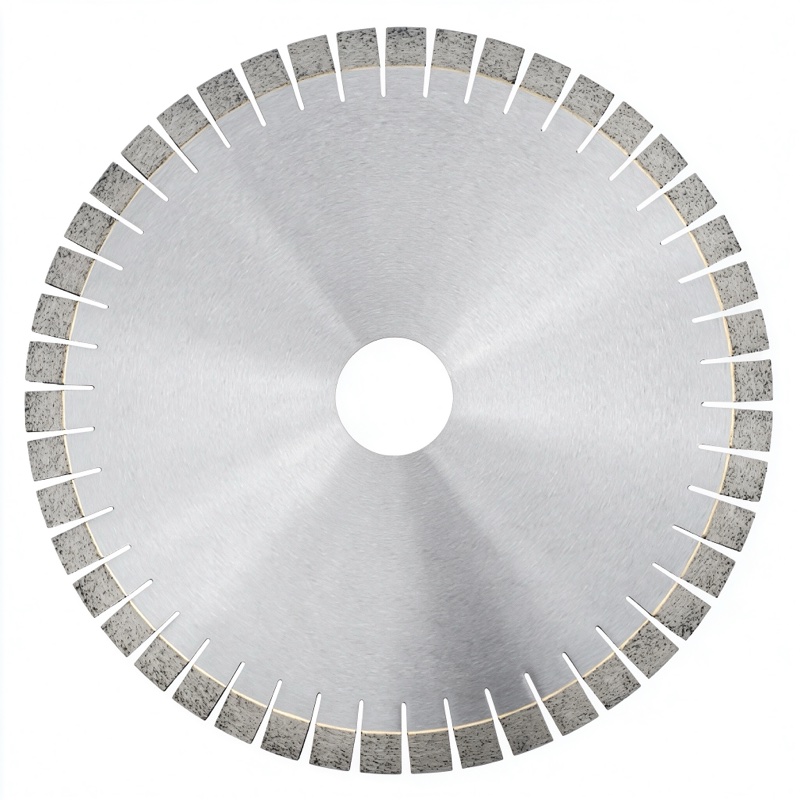
Yes. Worn diamond blades and grinding tools are recyclable: the steel core can be scrapped as tool steel, and used segments can be processed to recover remaining diamond grit. Never toss them in ordinary waste - the sharp rims and bonded abrasives belong with scrap metal dealers or specialist diamond tool recyclers.
Almost the whole tool has value. A diamond saw blade is a steel ring - the core, often made from 1.4034 or equivalent spring steel - with diamond-impregnated segments welded or sintered onto the rim. Both parts are recoverable: the core melts down as alloy scrap, and the segments can be processed to extract remaining diamond grit. Even segments that look fully worn usually still hold a few intact diamonds, because the bond wears and sheds grit one particle at a time. Resin polishing pads and softer grinding discs are harder to recover, but their backing still belongs in sorted industrial waste streams rather than a general skip.
Two routes exist. The simple route is scrap steel: the bare core goes to a metal recycler as tool or alloy steel, which usually covers the handling effort. The advanced route, run by specialist recyclers, strips the metal bond out of the segments chemically or electrochemically, washes the free diamond grit out, and returns usable grit to lower-demand manufacturing. Recovered grit is typically graded down rather than reused in premium blades, but it keeps mined material in the loop. If you run a fleet of diamond saw blades, accumulate worn tools in one crate and send it to a recovery specialist a few times a year - the core value plus reduced disposal cost usually makes the trip worthwhile.
Most worn blades end up at scrap yards that accept tool steel, since the core value covers handling. Higher-value routes are specialist diamond recyclers running the bond-stripping and grit-recovery process. In between, some manufacturers run trade-in or take-back programmes where worn tools offset new orders, and floor-equipment rental companies often send their retired tooling to recovery partners in bulk. Whatever route you choose, keep a record: documented recycling supports environmental reports for tenders and green-building certifications, and it sharpens your real tool cost per square metre - the same tracking that makes you a smarter buyer of diamond grinding discs and blades in the first place.
Usually modest. A 350 mm blade's steel core recovers a small scrap value, and recovered grit adds more only at volume. Treat recycling as cost and risk management, not a profit centre.
Yes, but most recyclers prefer the whole blade because safely removing segments is the hard part. Send complete tools and let the specialist separate core from segment.
They are harder to recover because the resin matrix is mixed with abrasives. Collect them separately and check with your industrial waste contractor for a dedicated abrasive stream.
They can puncture waste bags, injure collectors, and bonded abrasives are often refused by general landfill. The paperwork and injury risk are not worth skipping one trip to the scrap yard.
Old diamond tools are not trash: a steel core is scrap metal, and the segments still hold recoverable diamond grit. Collect them, protect handlers, and route them to a scrap yard or recovery specialist on a schedule. It is safer for your crew, cleaner for the site and kinder on your tooling budget. Compare factory-direct wear data on our diamond saw blades and diamond grinding discs pages so your next purchase lasts even longer.
Написано и проверено JOY TECH — производителем алмазного инструмента, прошедшим аудит SGS и BV, сертифицированным CE/RoHS, основанным в 2004 году и экспортирующим в более чем 50 стран.
Наша фабрика и СМК проходят аудит SGS и Bureau Veritas. Продукция соответствует CE/RoHS, каждая единица проверяется на 100 % перед упаковкой.
Проверенные сертификаты
