Request 2–3 samples per SKU you intend to stock, ideally one each of two bond options. Test them on the exact material you cut for a living, measure linear meters or linear cuts until the segment wears down, and compare cut speed, noise, vibration, and chip load. A sample that lasts 20% longer but costs 10% more is the winner. Place a trial order of 50–200 pcs only after the sample test matches the factory's claim.
Diamond tools are performance products. Two blades with the same diameter and segment height can differ in life by 3x depending on diamond concentration and bond. A factory that has never cut your local concrete will not guess the bond perfectly. The sample test is the only way to confirm.
| Product | Samples to request | Why |
|---|---|---|
| Saw blade (one diameter) | 2 pcs, one soft / one medium bond | Compare bond on your concrete |
| Core bit | 1 pc per diameter you will stock | Test cut speed and core release |
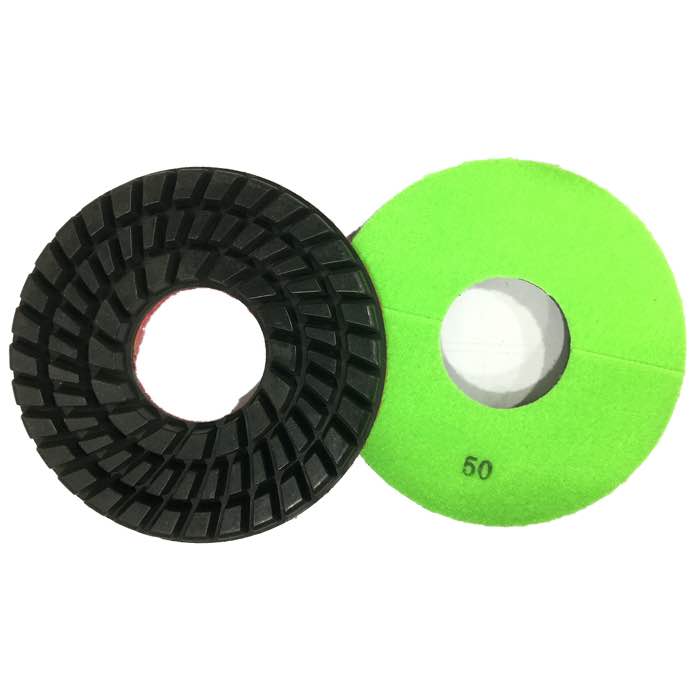
| Grinding disc | 1 pc per grit (30/60/120) | Confirm scratch pattern and life |
| Polishing pad | Full grit set (6 pads) | Test gloss sequence |
Factories like JOY TECH ship sample blades and sample core bits for free; the buyer pays courier. Budget USD 50–150 for express shipping.
When the sample passes, order 50–200 pcs of the winning SKU, not a full container. This lets you test consistency across a production batch. If the second batch matches the first sample, scale to container quantities. If not, you have lost only a small order.
You do not need a full job to test a sample. A 2-meter straight cut in a known slab, timed and measured, reveals most of what you need. Weigh the segment before and after 10 meters of cutting; the weight loss tells you the wear rate. Listen for high-pitch squeal, which signals glazing, and watch for blue discoloration, which signals overheating. After testing, keep the worn sample next to a new one — the visual comparison is far more convincing than numbers in a meeting. If two suppliers send similar samples, run them side by side on the same slab for an hour. The difference in feel and speed becomes obvious within minutes.
Write down the test as you go: date, material, machine, RPM, feed, and time spent. After the tool wears out, record total linear meters. This one-page sheet becomes your benchmark for every future supplier. If a new vendor claims their blade lasts 20% longer, you have the data to verify it. Keep the worn segment in a labeled bag — buyers and your sales team will ask to see it. A sample test done without notes is just a fun afternoon; a sample test written down is a competitive advantage.
Do not stop testing after the first order. Re-test every six months, because factories change batches and diamond concentration drifts. A supplier that was excellent last year may slip this year; your own test records are the only proof.
A: One to three weeks on real jobs. Do not rush — a sample tested for one afternoon does not reveal life.
Most factories give samples free; buyer pays courier. If a factory charges full price for samples, treat it as a warning sign.
A: No. Test on the material your customers actually cut. Granite samples tested on marble will mislead you.
A: Yes. Keep worn samples as reference for future claims and comparison with other suppliers.
Samples are the cheapest insurance you will buy in this business. Spend two weeks and USD 100 on testing, and you avoid a container of wrong-bond tools. Contact JOY TECH to request samples matched to your material.
