Average response time: under 24 hours
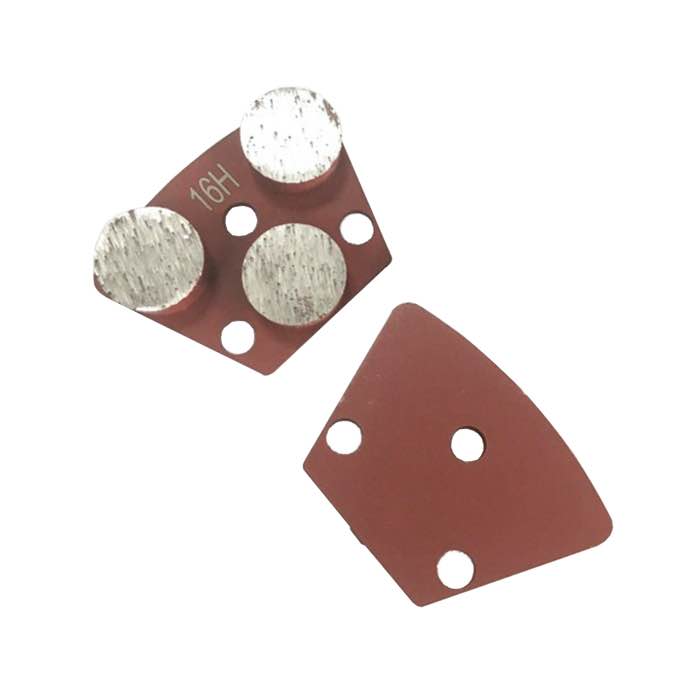
Diamond blades, cup wheels, blocks and core bits clear production in 1 to 2 days yet sit at the border 7 to 21 days when the HS description, list or weights mismatch. This guide covers export paperwork: classification wording, pack-out limits, invoice and list fields, freight and insurance, inspection triggers and claim windows.
Scope covers blades 105 to 600 mm, cup wheels 100 to 180 mm, metal-bond blocks 16 to 40 grit, resin pads 100 to 3000 grit and core bits up to 162 mm, for sea LCL or FCL, air and courier. Figures are reference pack-out ranges; confirm tariff wording and certificates with destination customs before booking.
Customs release follows the documents, not the goods. A mismatch between invoice, list and bill of lading triggers a hold even when cargo is correct. Delays come from a generic description, a changed HS code, weight off 3 to 5 percent, missing origin marking, or a piece count off the list.
Repeat buyers reuse one clean record: codes, dimensions, weights and marks are reused, and the forwarder already holds the spec sheet. For a first order, prepare the full packet before the pallet is wrapped, so no field is filled from memory after loading.
Diamond-impregnated tools classify under the 6804 band: 6804.21 with synthetic or natural diamond layer, 6804.22 with other agglomerated abrasives, 6804.30 sharpening stones. Descriptions state layer, bond, diameter, bore or pin size and material cut; a one-word line such as diamond disc invites reclassification.
Per line: item type, segment or grit band, diameter by bore in mm, core or bond material, target material such as concrete, granite, marble or masonry, quantity and unit. Origin matches the manufacture country; mixed-origin cargo is listed line by line, not declared as one origin.
Blades pack face-down in sleeves or cartons, separated by 5 to 7 layer corrugated sheets to protect tips; wheels and blocks go in inner boxes, heavy bits in foam cases. Humidity at 45 to 75 percent RH avoids core rust; pallets are wrapped against moisture, not sealed airtight.
Standard decks run 1100 by 1100 mm or 1200 by 800 mm, height limited to 1.8 to 2.0 m; gross weight per pallet runs 800 to 1200 kg for dense blade and bit cargo, 300 to 600 kg for pads and blocks. Each pack shows model, quantity, weights and mark; list count equals the visible count after wrapping.
Invoice fields: seller and buyer names and addresses, matching line description, quantity, unit price, total value and currency, Incoterms 2020 term such as EXW, FOB, CIF or DAP, origin, HS code per line, invoice number and date. Declared value reflects actual commercial value; rounding down is an inspection trigger.
Packing list fields: carton or pallet number, dimensions in cm, net and gross weight, volume in m3, piece count, marks, totals for weight and volume. The two documents agree on description, quantity and marks; weight corrections issue as an amended list before the terminal.
| Mode | Typical cargo | Pack limit | Transit reference |
|---|---|---|---|
| Sea LCL | Mixed blades, wheels, small blocks | 1 to 9 m3, 500 to 1,500 kg per consolidation | 25 to 45 days to main destinations |
| Sea FCL 20GP | Full blade or bit stock | Payload 18,000 to 21,000 kg, volume 28 to 33 m3 | 20 to 35 days |
| Sea FCL 40HQ | Pads, blocks, light packaged tools | Payload 22,000 to 26,000 kg, volume 68 to 76 m3 | 22 to 38 days |
| Air or courier | Urgent small tools, samples | Up to 100 to 300 kg per shipment | Air 5 to 10 days, courier 3 to 7 days |
Insurance: marine cover declared at 110 percent of CIF or invoice value; dense steel cargo is weighed at pack-out, not estimated, since overweight pallets trigger re-stow at the terminal. Keep loading height below the stack mark, and strap heavy blades against container wall shift.
Inspectors compare description, HS code, origin, marks and weight across invoice, list, bill of lading and certificates. A hold follows: generic description that cannot tie to the code, weight gap over 3 to 5 percent, missing origin mark, code inconsistent with appearance, or value far below market range.
Second-line checks open samples for diameter, segment count, bore size and bond appearance. A spec sheet sent promptly and consistently clears most holds within 2 to 5 working days. Repeated discrepancies raise the inspection rate for the next 3 to 5 shipments.
At pack-out, keep photos of each loaded pallet, container and seal number, weighed gross and net weight, and the signed list. For damage or short shipment, date photos of cartons, inner packing and tools within 48 to 72 hours of arrival, and record seal condition before opening.
Claim windows: visible damage reported within 7 to 14 days of delivery; concealed defects raised within 30 days; insurance claims filed within 12 to 18 months of shipment per the policy period. Each claim pairs evidence with invoice, list, bill of lading and weight report; no pack-out photos means settlement on the carrier estimate.
For repeat stock, keep a standing document pack repeating descriptions, codes and pack dimensions; updating only price and quantity each cycle cuts booking time and hold risk. Fastest-clearing paperwork is written from the measured pallet, not a sample catalog line.
Written and reviewed by JOY TECH — an SGS & BV audited, CE/RoHS certified diamond tools manufacturer founded in 2004, exporting to 50+ countries.
Our factory and QMS are audited by SGS and Bureau Veritas. Products meet CE/RoHS requirements and every piece is 100% inspected before packing.
Verified Certificates
