Average response time: under 24 hours
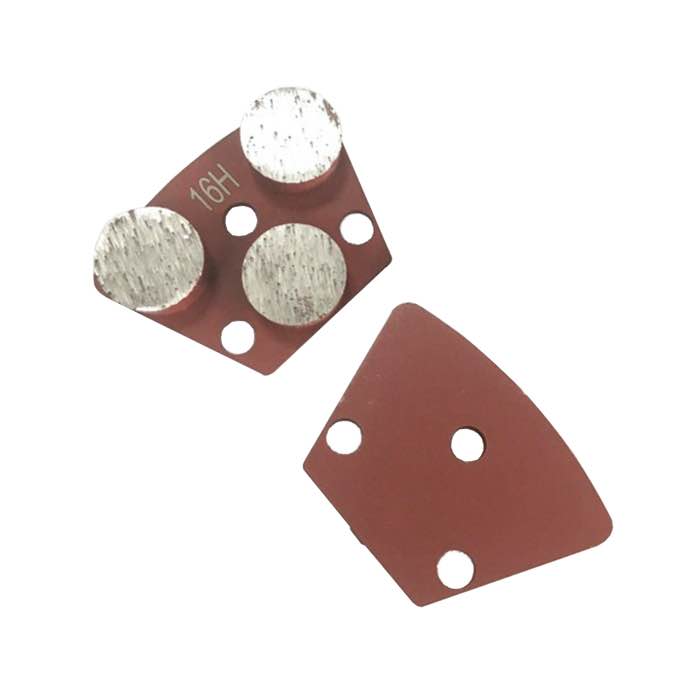
Rust on a delivered diamond tool rarely starts on the job; it starts in the box, warehouse or container. A corroded body, rusted brazing or slipping segment delays the first job and breaks the spare-set record. This guide covers storage, sea packing and arrival inspection for stock keepers and buyers.
The diamond abrasive itself does not rust. What fails is the carbon-steel body, the core under the segment matrix, the brazing that fixes segments, and any shank, arbor or adapter. Corrosion lowers clamping friction and makes segments look used before the first cut.
Three areas matter most. The steel body or barrel oxidizes first where paint is chipped or bare metal shows. The brazing line traps moisture, showing brown or black creep along the joint. Shanks and arbor seats rust where they mate with the machine, blocking a firm fit. Light matrix oxidation cuts after dressing; red flaking rust means prolonged wet storage.
Before packing, every tool is free of slurry, coolant, dust and sweat, then dried fully; residual slurry holds moisture through the voyage. Inspect segment height, brazing contact and paint chips, photograph existing marks to rule out old flaws. A loose segment or cracked brazing is repaired or segregated, not packed.
Packaging keeps moisture out but cannot repair a wet tool. Layers are VCI or anti-rust paper on the steel, a sealed poly bag with desiccant, and an outer carton or crate. Desiccant runs 50-100 g per cubic meter; one 50-100 g bag per small carton, more on long routes. A light oil or wax film protects bare steel, kept off segment faces; crate moisture below 18%.
Indoor storage keeps RH at or below 60%, action at 65%; surface temperature 5-30 ℃ and above dew point so condensation does not form. Stock sits on pallets or racks at least 100 mm above the slab, away from walls and leaky roofs. Stack heavy bits and blades below, light shoes and pads above; rotate by receipt date, log RH weekly.
A sealed container swings through temperature and humidity cycles over a 25-45 day voyage; moist air cools on steel walls at night and condenses inside, 2-4 dew cycles before arrival. Rust appears first on metal against walls or roof and on tools touching a damp floor. Keep a 100-150 mm wall gap, use desiccant canisters on humid routes, photograph loading and unpacking.
Do not shelve the whole shipment at once. Open a 10% sample, minimum 5 pieces per SKU, check body, brazing, shank and pad faces before sign-off. Reject or quarantine red rust over 2 mm, rusted brazing, shank pitting or damaged holder interface, compare to factory photos and packing list.
| Inspection item | Acceptance criterion | Reject condition | Action |
|---|---|---|---|
| Steel body | No bare rust; paint intact, chips dry | Red rust patch over 2 mm or pitting | Quarantine, photograph, file claim |
| Brazing line | Uniform joint, no brown creep | Rust along seam or lifted segment | Do not ship; return to supplier |
| Shank / thread | Clean, bright, no play | Pitting, flaking rust, damaged thread | Replace adapter or tool |
| Segment face | Dry, free of oil and slurry | Oil film on diamonds, loaded slurry | Clean and dress before first cut |
| Packaging | Bag sealed, desiccant dry | Bag open, desiccant hard or wet | Record condition before unpacking |
Core bits hang upright, shanks up, segments knock-protected; saw blades lie flat or hang on hooks without resting on teeth; grinding shoes keep holder pattern matched; resin pads stay flat, cool and dark away from heat and sun. Keep each category in labeled bins to verify the interface when ordering.
| Tool type | Storage condition | Packaging | Shelf check |
|---|---|---|---|
| Core drill bits | Upright rack, shank up, dry air | VCI wrap, sealed bag, desiccant | Shank and brazing after 12 months |
| Saw blades | Flat stack or vertical hooks, teeth guarded | Wax film on bare steel, paper separator | Tooth rust after 12-18 months |
| Grinding shoes | Holder-matched bins, dry | Anti-rust paper, carton | Segment and bolt holes after 12 months |
| Resin pads | Flat, cool, dark, away from heat | Original bag sealed | Edge hardening after 12 months |
Shelf life is a check date, not a cut-off. Steel-body tools hold 12-24 months in dry indoor storage before inspection; resin pads rotate within 12 months. A transit-rust claim needs loading and arrival photos, packing condition and sample record; wet-before-packing tools rarely count as transit damage.
Ordering by sea: ask the supplier for packing method, desiccant amount, VCI treatment and crate moisture, write these into the spec. A dry pre-shipment inspection and sealed packaging reduce arrival claims; storage rules protect tools to the first cut.
Written and reviewed by JOY TECH — an SGS & BV audited, CE/RoHS certified diamond tools manufacturer founded in 2004, exporting to 50+ countries.
Our factory and QMS are audited by SGS and Bureau Veritas. Products meet CE/RoHS requirements and every piece is 100% inspected before packing.
Verified Certificates
