Average response time: under 24 hours
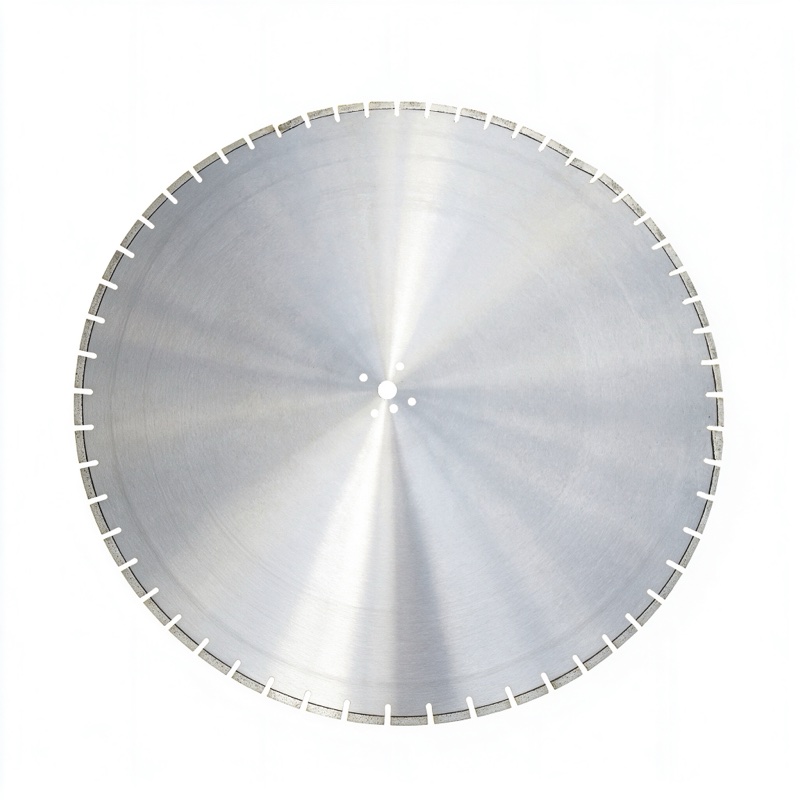
For concrete floor prep, carbide tooling wins on upfront cost and aggressive coating removal, while diamond tooling wins dramatically on service life, predictable scratch patterns and dust control. On most real jobs the best answer is a hybrid: carbide for stripping coatings, then diamond for grinding the concrete itself.
Carbide tooling uses tungsten carbide buttons or scrapers brazed onto a steel carrier. The hard tips chip material away like tiny chisels, which makes them aggressive and cheap to produce. Diamond tooling is different: synthetic diamond grit is sintered into a metal bond matrix, and as the matrix wears, fresh exposed diamonds micro-shear the concrete surface. The two wear mechanisms explain almost everything about their behavior. Carbide dulls by rounding its tips against hard aggregate; diamond stays sharp because the bond is designed to expose new grit as old diamonds break out.
| Property | Carbide tooling | Diamond tooling |
|---|---|---|
| Hardness | ~1,500-2,000 HV; tips round on hard rock | ~6,000-10,000 HV grit held in a metal bond |
| Upfront cost | Low per tool | Higher per tool, but spread over much more work |
| Life on concrete | Hours; tips wear fast on flint or quartz aggregate | Tens of hours, hundreds of square meters per puck |
| Heat behavior | Loses hardness above roughly 600-800 C | Stable to about 800 C in bond; overheating still burns the bond |
| Scratch pattern | Random gouges; poor base for polishing | Consistent, controllable scratch pattern by grit size |
| Best application | Mastic, thin-set, tar, epoxy coatings, soft green concrete | Concrete grinding, cutting, drilling and polishing preparation |
Carbide is the right call when the job is removing something off the slab rather than grinding the slab itself. Stripping old mastic, black tar, glue, thin-set or a soft epoxy coating is faster with carbide scrapers because they bite into organic materials that glaze diamond bonds. Carbide also wins on soft, green concrete where diamond would over-grind and pull out prematurely, on low-budget rental machines that take cheap throwaway tooling, and on short one-off jobs where the long life of diamond cannot be amortized. If you mainly see coating on the floor and only a little concrete, start with carbide.
Diamond dominates as soon as you are actually grinding concrete. On hard-troweled slabs, flint aggregate or rebar-heavy floors, carbide tips round off within an hour and the operator keeps stopping to change tooling, while diamond grinding discs keep a uniform scratch pattern from 16 grit through 120 grit. That predictable scratch pattern matters because it is what lets you transition cleanly to polishing. Diamond is also the only sensible option for cutting openings, chasing rebar and drilling holes - a carbide saw cannot hold up to reinforced concrete. On production jobs measured in thousands of square meters, the higher price per diamond puck is offset several times over by fewer tool changes and less downtime.
Most experienced contractors run both tool families in sequence. Pass one: a carbide scraper or scarifier head strips coatings, mastic and uneven globs off the slab. Pass two: switch to metal-bond diamond grinding pucks in grit 16-30 to open the concrete and remove the carbide gouges, then step through 60 and 120 grit. Pass three: resin polishing pads for the finish. This order protects your diamond bond from being glazed by old coatings while avoiding the cost of grinding the whole floor with expensive tooling. The same logic applies to cutting work - use proper diamond saw blades for any sawing, and reserve carbide purely for surface prep scrapers.
Cheaper per piece, not per square meter. A carbide scraper head may cost a fraction of a diamond puck, but on concrete it wears out many times faster. Compare cost per square meter, not sticker price, before deciding.
You can, but organic coatings glaze the diamond bond and slow the tool dramatically. It is faster to strip coatings with carbide first, then grind the slab with diamond.
Carbide tips are large and remove material in chips, while diamond pucks use dozens of small grit points that cut a uniform scratch. The gouged pattern is why carbide alone cannot prepare a floor for polishing.
No. Carbide-tipped blades are designed for wood and soft materials. On concrete or reinforced concrete they wear out almost immediately and can overheat; use diamond saw blades rated for the machine's RPM instead.
The rule of thumb is simple: carbide strips what is on the slab, diamond grinds the slab itself. Plan your tooling sequence around that boundary and you get carbide's low stripping cost plus diamond's long, consistent grinding life. Compare grinding and cutting specifications on alzr.com to spec the right metal-bond grit and blade for your mix and machine before the job starts.
Escrito y revisado por JOY TECH — fabricante de herramientas de diamante auditado por SGS y BV, certificado CE/RoHS, fundado en 2004 y con exportaciones a más de 50 países.
Nuestra fábrica y sistema de gestión de calidad son auditados por SGS y Bureau Veritas. Los productos cumplen CE/RoHS y cada pieza se inspecciona al 100 % antes del embalaje.
Certificados verificados
