Average response time: under 24 hours
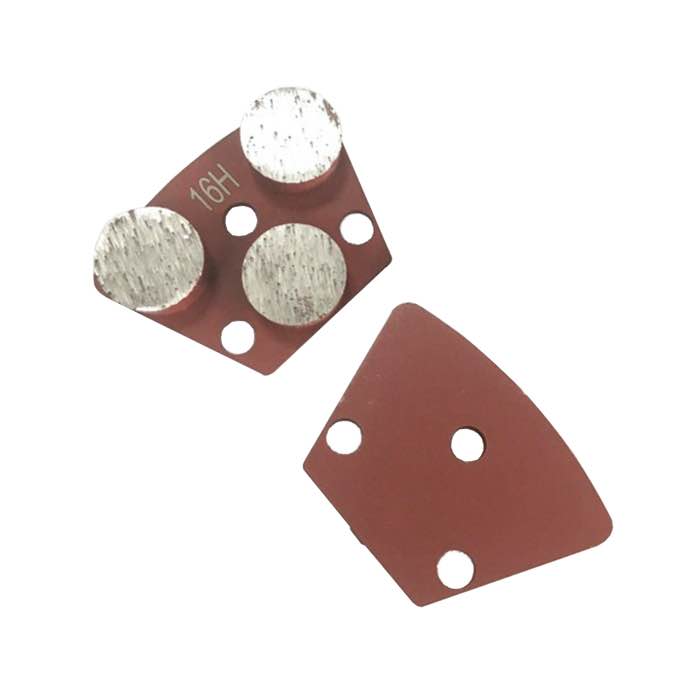
A diamond tool claim turns on what the file proves: lot traceability, running parameters, and photos showing whether failure came from the bond or the job. This guide sets the defect and misuse boundary, lists reviewable evidence, and lays out the claim timeline for buyers.
Figures below are reference claim windows; contract terms, local law and the purchase order may set stricter limits, and those take precedence. The reader is a factory quality contact, distributor desk or buyer preparing a return.
A factory defect ties to material or manufacture rather than running conditions. Cases include segment detachment from a poor weld, inconsistent diamond concentration, matrix breaking down under normal feed, and core sheets cracking in the first 10 to 20 cuts.
Defect review compares the failed tool against unused stock from the same lot. Inspectors check segment height, diamond exposure, seam and core flatness; failure repeating on two or more tools holds the batch for review. Claims settle by replacement, credit or repair.
Misuse covers conditions the tool was not built for. Running a wet bit dry, a soft-concrete grade on hard aggregate over 60 MPa, side loading against a wall, hammer mode on a core bit, overspeeding beyond the rpm band, or drilling unmarked rebar without slowing.
Application mismatch sits between the two: a tool chosen for the wrong material or diameter, or paired with a rig that cannot deliver stated flow and rpm. This is usually a selection problem, not a manufacturing fault; recorded hardness and flow prove the split later.
The claim file should let a reviewer judge the tool without another photo round. Start with the commercial record: invoice or order number, purchase date, lot number on the shank or label, quantity returned. Then add strength, diameter, rig rpm band, flow and cut time.
Photography covers the whole tool and the failure detail. Shoot the crown face straight on, the segment seat where a piece dropped, the core or wall showing heat color, and the legible lot label. Keep the failed segment; the sample matches retained stock for 30 to 60 days.
| Stage | Record | Retention | Window |
|---|---|---|---|
| Intake | Form, invoice, lot | Ledger, full term | 0–3 days |
| Evidence | Photos, log, sample | 12–24 months | 3–7 days |
| Inspection | Inspection, seam cut | Quality file | 5–10 working days |
| Decision | Approved, partial, rejected | Signed copy | 15–25 days |
| Closure | Replacement, credit, scrap | Ledger closed | 2–3 months |
Most disputes come from missing a submission window rather than a rejected file. Notify the supplier within 15 to 30 days of receiving tools or noticing failure, while record and sample are available. Intake screens lot number, quantity and photos; complete packages move on to inspection.
Inspection takes 5 to 10 working days once the sample reaches the desk. Review covers seam, bond condition, diamond exposure and signs of dry run or side load. A decision report follows in 15 to 25 days: replacement, credit, partial settlement, or rejection. Keep the sample 2 to 3 months.
Reviewers reject claims showing a condition outside rated use. Frequent reasons are dry running with a wet tool, rpm above band, side load or tilt, hitting unmarked reinforcement, flow below minimum, and grade mismatched to harder material. Each maps to a check the buyer can run first.
The split follows where the fault enters the chain. Factory covers manufacture: seam, bond, diamond distribution and core quality within rated use. Distributor covers storage: dry racks, separated stock, legible labels, no forklift damage; waterlogged goods log as transit damage.
Transit damage is separated at intake: packaging condition, orientation marks and delivery photos decide who carries it. Mixed-cause claims are partial: defective portion credited, misuse portion stays with the operator. Boundary calls go into the ledger for selection guidance.
A claim ledger keeps lot, tool type, failure mode, evidence date, decision and cost recovery in one row. Fields include lot number, order, rig or project, dates opened and closed, photos, settlement value. Recurring failure groups by lot; three or four complaints in 60 to 90 days hold the stock.
Stock controls protect traceability. Rotate older stock first so labels stay legible; record incoming lot numbers against the invoice; keep returns off the sellable shelf in a marked bin. Inspection samples carry the lot label so a segment does not return to the wrong row.
Before filling the form, run checks that sort misuse from defect. Confirm the tool matches rated rpm and flow, inspect the crown for even wear, one-flank or impact pattern, photograph heat color or seam opening, and read the lot label. If failure looks like dry run or side load, check the shift log first.
Keep one standard across the stock line: clear lot coding, parameter notes at failure, and a ledger linking every return to its batch. Treat the claim file as a quality record, not a sales ticket; lot data, site parameters and dated photos separate a defensible defect claim from a disputed return.
Written and reviewed by JOY TECH — an SGS & BV audited, CE/RoHS certified diamond tools manufacturer founded in 2004, exporting to 50+ countries.
Our factory and QMS are audited by SGS and Bureau Veritas. Products meet CE/RoHS requirements and every piece is 100% inspected before packing.
Verified Certificates
