Average response time: under 24 hours
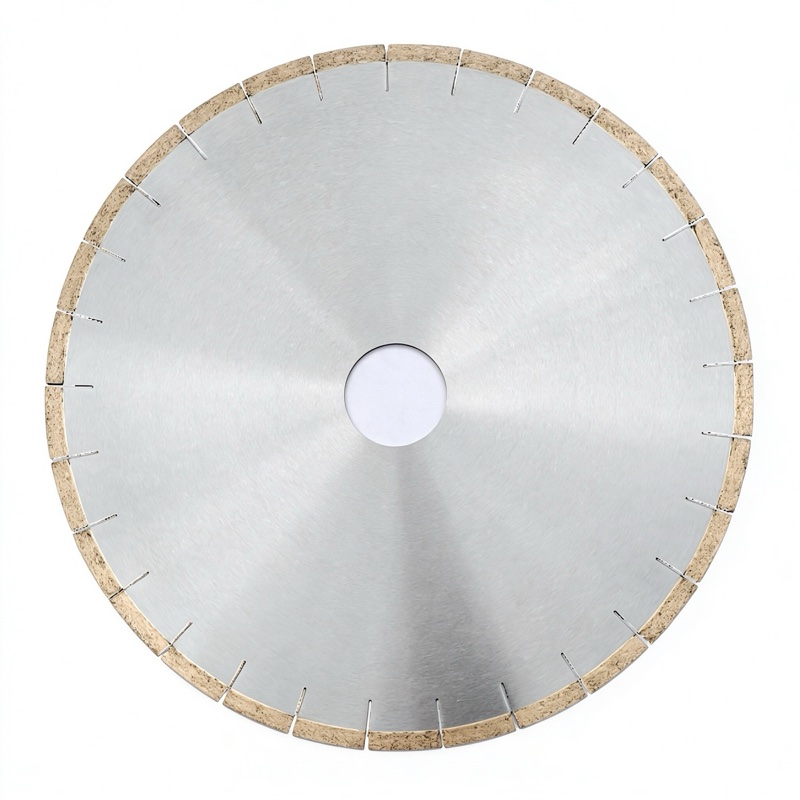
If you are starting out — a new part-time contractor, a tile setter adding concrete work, or a serious DIYer — buy three diamond tools before anything else: (1) a 115-230 mm general-purpose turbo or segmented blade for your angle grinder or small saw; (2) a 25-50 mm wet (or dry) core bit for holes; (3) a small resin polishing pad set (50-3000 grit, 4"/100 mm) for finishing. Spend USD 150-USD 250 total. Skip the expensive walk-behind saw, the PCD tools, and the full trapezoid plate set until you know what jobs you actually win. For our earlier beginner note, see which 3 tools to start with.
Every beginner overbuys. You do not need a USD 2,000 walk-behind saw for jobs you have not won yet. The three entry tools cover 80% of the small jobs a new contractor or hobbyist encounters: small cuts, small holes, and small polishing. They run on machines you already own (angle grinder, drill), so the entry cost is the tools themselves, not a new machine.
The first tool to buy. Start with a 115 mm (4.5") or 125 mm (5") turbo blade for your angle grinder. It cuts brick, block, concrete pavers, tile backer board, and light cured concrete. Budget USD 8-USD 20 per blade.
Do not start with a 350 mm walk-behind blade. You do not have a walk-behind saw yet. When you win your first big slab job, you will buy the bigger blade then.
The second tool. Every contractor eventually needs to drill a hole for a pipe, a conduit, a vent, or an anchor. Start with two sizes: 25 mm (1") for conduit and 50 mm (2") for small pipe. A wet core bit fits a standard drill rig or a heavy-angle-grinder adapter; a dry core bit is for brick and block. Budget USD 25-USD 60 per bit.
Start small. You do not need a 150 mm bit for commercial plumbing — you will not win that job in your first season. Buy the small sizes that cover the jobs you can actually bid: conduit holes in a wall, vent holes in a slab, anchor holes for a handrail.
The third tool. If you are doing any finishing — a small polished countertop, a repair patch, a terrazzo tile, a concrete vanity — you need resin pads. Start with a 4" (100 mm) set: 50, 100, 200, 400, 800, 1500, 3000. Budget USD 40-USD 80 for the set. They mount on a standard angle grinder with a hook-and-loop backing pad.
Our small resin pad set is the size most beginners start with. Do not buy the 17" floor pads yet — those go on a floor grinder you do not own. When you win a floor job, you will buy the larger pads then.
| Skip this | Why |
|---|---|
| Walk-behind saw (350-500 mm) | Machine + blade = USD 2,000+; rent it when you win a slab job |
| Trapezoid grinding plate set | Fits a floor grinder you do not own; rent the grinder |
| PCD coating remover | Buy when you bid a coating-removal job, not before |
| Large core bits (100+ mm) | Specialist tools; rent the rig and bit for the one-off hole |
| Diamond wire saws | Industrial only; not entry |
| Every grit in the catalog | Start with the standard 50-3000 set; add grits as you need them |
Rent the machine for jobs you win; own the small tools you use every week. This is the standard entry model for new contractors — USD 200 in tools, USD 200/day in rented equipment when a job comes.
See blade sizes for machines for the full match-up.
Before you expand the toolbox, learn:
A: A 115-125 mm diamond blade fits most small angle grinders and tile saws, not a standard wood circular saw (which spins 5,000 RPM max and has a different arbor). Use the blade on the right machine. A diamond blade on a wood saw is a mismatch and can fail.
A: A 115 mm turbo blade on light concrete pavers: 20-50 cuts. A 25 mm wet core bit: 20-50 holes in medium concrete. A resin pad set: 50-100 small polishing jobs. These are small tools; they wear out, and you will reorder them — that is normal.
A: For entry tools, a reputable import (USD 8-20 blade) works fine. You are learning the tools, not running a fleet. Once you know which jobs you win, upgrade to consistent-spec brands for the SKUs you use weekly.
A: Rent the floor grinder. A 17" grinder costs USD 3,000-USD 6,000; the resin pads are USD 200-400 per set. Rent the machine for the first 3-5 floor jobs, then buy once you have a floor-polishing pipeline. Do not buy the machine speculatively.
Start small: one blade, one core bit, one resin pad set. Total entry cost USD 150-USD 250. Learn on small jobs, rent the big machines for the big jobs, and expand the toolbox only when you know what you actually use. This is how every successful concrete contractor starts — not with a showroom of equipment, but with the three tools on the truck that cover the first ten jobs. Browse our entry blade range and tell us what you are cutting — we will spec the first three tools for your situation.
Written and reviewed by JOY TECH — an SGS & BV audited, CE/RoHS certified diamond tools manufacturer founded in 2004, exporting to 50+ countries.
Our factory and QMS are audited by SGS and Bureau Veritas. Products meet CE/RoHS requirements and every piece is 100% inspected before packing.
Verified Certificates
