Average response time: under 24 hours
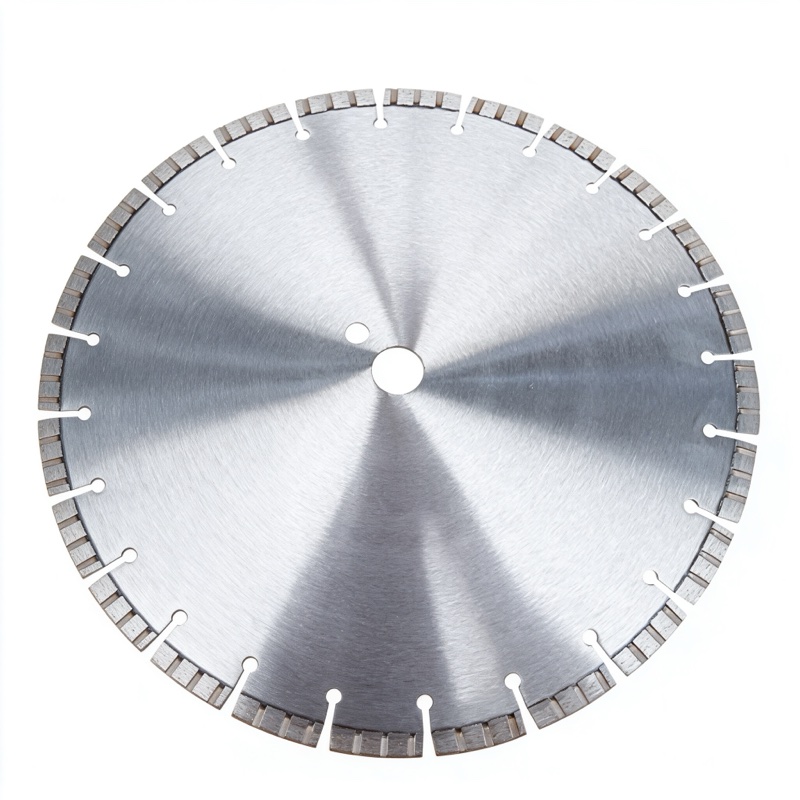
Wet cutting concrete outdoors means electric tool, water, and damp ground all in the same square meter. The rules that keep you alive: (1) every circuit feeding an electric saw or core drill must be protected by a GFCI (US) or RCD (EU/UK) tripping at 30 mA, tested before every shift; (2) use heavy-gauge extension cords — 12 AWG for up to 25 m, 10 AWG for 25-50 m — coiled reels de-rate and overheat; (3) never run power cords across standing water — use a cable bridge; (4) the water feed must enter the blade arbor area, not the motor housing; and (5) if you run from a generator, it must be properly grounded and the GFCI must be on the generator outlet or the tool itself. A 220 V electric saw in wet conditions is a lethal device if any of these fails. For our earlier field note, see wet cutting safety: electricity and water.
Concrete is mildly conductive when wet. Human skin wet with concrete slurry is far more conductive than dry skin — body resistance drops from ~100 kΩ to ~1-2 kΩ. At 230 V, that is 100-200 mA through the body, which is enough to trigger ventricular fibrillation. The job is not dangerous because the tool is defective; it is dangerous because the worker's body completes a circuit that would not exist on a dry day. A GFCI/RCD trips at 30 mA in under 30 ms — fast enough to prevent fibrillation. Without one, a cracked cord or a failed motor seal can kill.
| Device | Standard trip | Where it goes |
|---|---|---|
| GFCI (US, Canada) | 4-6 mA (receptacle type), 30 mA (jobsite) | Wall outlet, in-line adapter, or generator outlet |
| RCD / RCBO (EU, UK, AU) | 30 mA, type A or F | Distribution board, in-line residual current device |
| Portable in-line GFCI | 30 mA | Between cord and tool — recommended for any outdoor wet work |
| Tool-integrated RCD | 30 mA | Built into modern saws; still verify with a test button |
Press the TEST button every morning before plugging in. A GFCI that does not trip is invisible until someone touches it. Replace the unit — do not tape over the test button. Most jobsite electrocutions happen on a known-dead GFCI that nobody tested.
Undersized cords cause voltage drop, which makes the saw run slow and draw more current, which overheats the cord and melts the insulation. Use:
Cords must be rubber-jacketed (SOOW or equivalent), not light PVC Christmas-tree cord. Unwind reels completely — a coiled 30 m reel acts as an inductor and overheats. Inspect jackets for cuts, nicks, and melted plugs. Taped repairs are a ticket home; replace the cord. Keep cords out of standing water with a bridge or a low-profile ramp; never run them across a walkway covered by a puddle.
Where there is no wall outlet, contractors run from a generator. Rules:
The water feed must cool the blade at the nip, not wash over the motor. Best practice:
For blade selection on an electric walk-behind saw, see choosing blade diameter for an electric saw.
A: Significantly safer. A 36 V/80 V battery tool cannot deliver a lethal current through the body — even fully wet, the energy available is small. For handheld cutters and small core drills, battery tools are now the default choice for wet outdoor work. For walk-behind saws >350 mm, electric with GFCI remains the option; petrol saws remove the electric hazard entirely.
A: No. Household PVC cord is not rated for jobsite abuse, UV, water, or vehicle traffic. It cracks in a season and the jacket becomes a shock hazard. Buy SOOW/SJOOW rubber cord, labeled for outdoor use, and retire it when the jacket hardens.
A: Turn off the tool, unplug, and investigate. Do not reset and continue. Common causes: water in the cord plug, a cracked jacket, or a tool with a failing motor seal. If the tool is the problem, tag it out and swap to a spare. A GFCI that trips repeatedly is telling you something.
A: They remove the shock hazard, but add exhaust (carbon monoxide indoors — never use inside), fuel handling, and higher noise/vibration. Outdoors, a petrol walk-behind saw is the classic choice; indoors or near bystanders, electric with proper GFCI and extraction is preferred.
Wet cutting outdoors is routine, but it combines three things that individually are safe: water, electric tools, and damp ground. The GFCI, heavy rubber cord, proper water routing, and generator grounding keep that combination safe. A 30 mA RCD costs USD 25; a fatality claim costs everything. Pair your saw with a laser-welded concrete blade designed for wet use, and build the electrical checklist into every morning briefing.
Written and reviewed by JOY TECH — an SGS & BV audited, CE/RoHS certified diamond tools manufacturer founded in 2004, exporting to 50+ countries.
Our factory and QMS are audited by SGS and Bureau Veritas. Products meet CE/RoHS requirements and every piece is 100% inspected before packing.
Verified Certificates
