You can tell a real diamond tool factory from a trading company by checking: business license scope (manufacturing vs trading), physical factory video of welding and sintering lines, ability to adjust bond formulas on demand, MOQ flexibility, and the factory's export history under its own name. Real factories are usually 10–20% cheaper, but a good trading company can still win on consolidation speed and local service.
A trading company buys from factories and resells. They add margin, but they also add a layer between you and the engineer. When a blade glazes on a specific concrete mix, a factory can reformulate the bond; a trader can only relay the complaint. For repeat, catalog orders, traders are fine. For custom or problem-solving orders, factories win.
| Order type | Factory direct | Trader |
|---|---|---|
| Single product, container load | Lowest | +10–20% |
| Mixed products, small order | May refuse | Convenient, +5–15% |
| Custom bond or OEM | Best | Adds delay and markup |
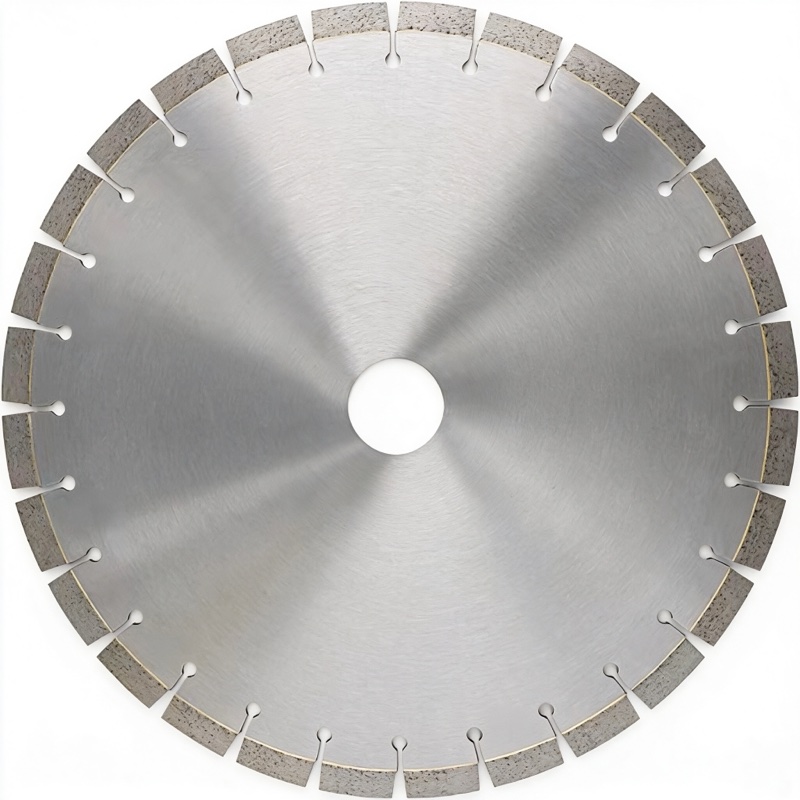
At JOY TECH, we manufacture our own granite blades and core bits and welcome buyers who want to visit the line directly.
A trading company can buy the exact same blade as the factory and quote 5% more because they add margin. A factory can quote the same price and ship lower diamond concentration. Price is therefore a weak signal. The real differentiators are engineering depth and willingness to customize. Ask the supplier to describe the bond formula they would recommend for your local concrete. If they answer with a bond code and a rationale, they are a factory. If they say "we will ask the factory," they are a trader. There is nothing wrong with traders, but you should know which one you are paying.
Chinese business licenses are public records. Ask the supplier for a photo of theirs and read the "scope" line. If it says "production and sale of diamond tools," you are talking to a factory. If it says "import and export trade" or "sales of hardware," you are talking to a trader. You can also verify the company name on the National Enterprise Credit Information Publicity System. Traders are not bad, but paying factory prices to a trader is. Once you know which you are dealing with, negotiate accordingly — traders earn their margin on consolidation, not on manufacturing.
Once you have worked with a supplier for a year, the question answers itself: invoices, communication, and delivery behavior reveal who is really behind the emails. Until then, ask direct questions and trust the answers that show engineering depth.
If you are unsure, ask the supplier to put the word "manufacturer" or "trading" on the invoice. A factory will happily do it; a trader will hesitate. That small detail settles the question.
A: Not always. Good traders buy in volume and can match factory prices on stock SKUs. But they cannot reformulate.
A: Yes — many larger traders own assembly lines but still resell other factories' SKUs. Ask which products they make themselves.
A: Less risky than a fake factory, but always use T/T against B/L copies and inspect before balance.
A: No. For small mixed orders, a good trader saves you time. Just know which one you are dealing with.
Factory direct gives you price and engineering; a trader gives you consolidation and service. Verify which you are talking to before negotiating, and choose based on your order shape. Contact JOY TECH for a factory-direct quote and a live walkthrough.
