Average response time: under 24 hours
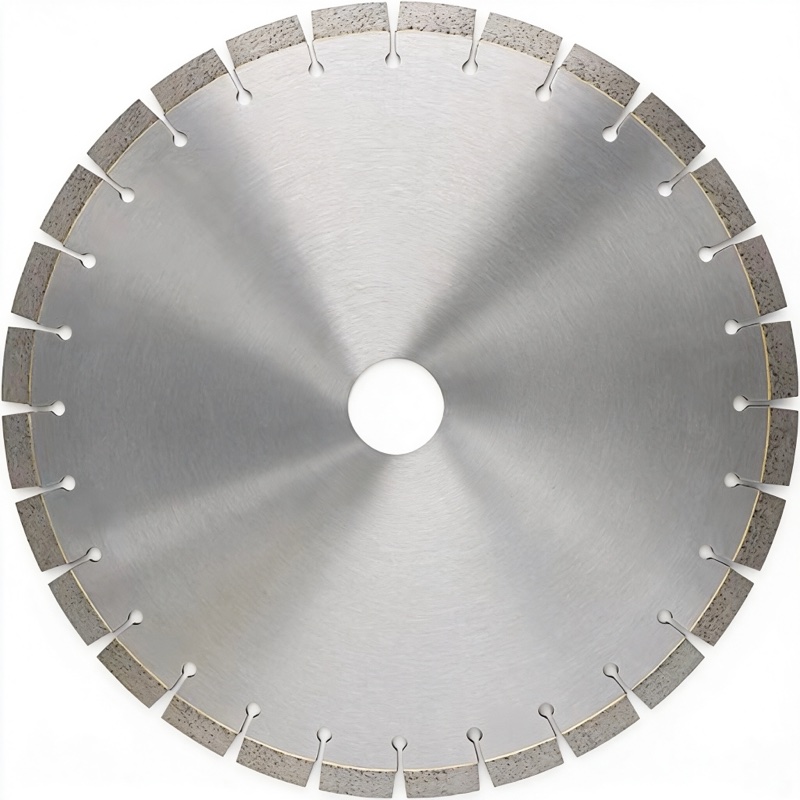
No single blade is ideal for both granite and marble. Granite is hard and non-abrasive, so it needs a hard bond to hold diamond long enough. Marble is soft, so it needs a softer bond that wears and exposes fresh diamond without burning the edge.
| Factor | Granite Blade | Marble Blade |
|---|---|---|
| Bond | Hard | Soft to medium |
| Segment | Long or high-density | Continuous or narrow-slot |
| Cut style | Fast, aggressive | Smooth, chip-free |
| Water | Recommended | Required |
A>Only as a compromise. It will wear faster on granite and may chip marble — dedicated blades do both better.
A>The hard bond glazes on soft marble, the blade stops cutting and the edge burns.
A>The soft bond wears away too fast, so the blade life is very short.
Match the bond to the stone: hard for granite, soft for marble. For granite, the Granite Saw Blade (Long Segment) — JOY-GR-L gives long life; for marble, the Marble Saw Blade (Straight Slot) — JOY-MS-ST cuts clean edges.
Small fabricators often start with one universal blade and add dedicated blades as their material mix becomes clear. If granite or marble makes up most of your cutting, the savings in speed and edge quality from a matched bond usually pay back the second blade quickly. Tell the supplier the slab material and the saw you run — bond hardness is adjusted per machine RPM and feed rate, and a blade that works on a bridge saw may behave differently on a hand grinder. When edges start chipping on marble or slowing on granite, the bond, not the operator, is usually the first thing to review.
Written and reviewed by JOY TECH — an SGS & BV audited, CE/RoHS certified diamond tools manufacturer founded in 2004, exporting to 50+ countries.
Our factory and QMS are audited by SGS and Bureau Veritas. Products meet CE/RoHS requirements and every piece is 100% inspected before packing.
Verified Certificates
