Average response time: under 24 hours
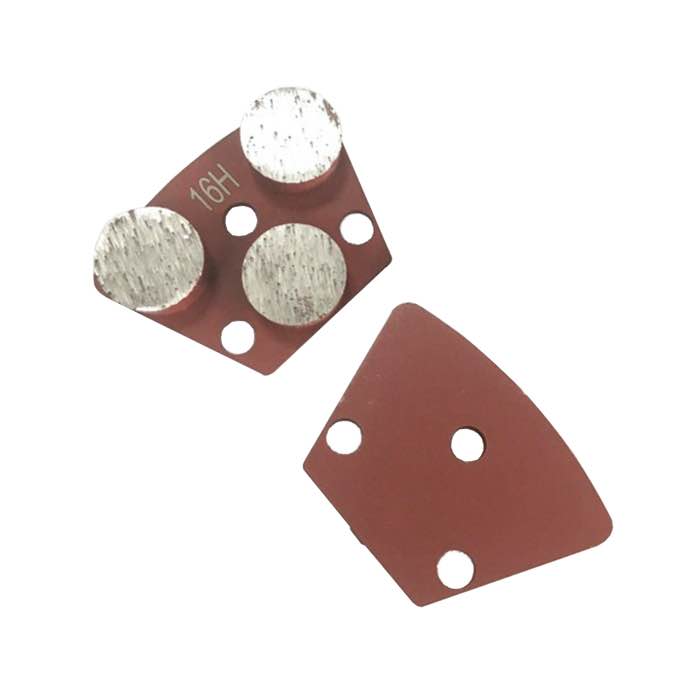
Grinding around drains and floor penetrations means working up to a cutout, not into it. Hand-grind a 25 to 50 mm ring around the opening with a small cup wheel, protect the drain flange with a steel guard or masking tape, and never let a walk-behind grinder straddle the hole. Typical pipe sizes run 50 mm for floor drains, 100 mm for soil stacks, and up to 150 mm for large penetrations. The wrong move is pushing a 250 mm cup wheel across the edge: it chips the slab, nicks the pipe, and leaves a ragged lip that a patch cannot hide.
On open slab, the grinder floats on concrete and dust finds its own path to the vacuum. Around a drain, half the wheel is over air, so the head tilts, the segments slam down on one side, and the operator suddenly has a gouged edge. Penetrations also hide services: water lines, conduit, and waste pipes sit inches below the surface, and an aggressive pass can score them before anyone notices. Treat every opening as a hazard zone, not as an obstacle to power through.
A 250 mm cup wheel on an angle grinder spans most residential drains. Its leading edge drops into the void, catches on the far lip, and either chips a crescent out of the concrete or yanks the tool out of your hands. The same wheel on a walk-behind machine will bridge a small hole with its shroud, then grind on one side until the belt loads up. Operators who try this end up with a rounded, feathered edge and a drain flange ringed with score marks.
Before you start, identify what is under your feet so you know how close you can work. Floor drains in garages and commercial kitchens commonly take 50 mm outlets; soil and vent stacks run 100 mm; industrial penetrations for pipes and conduit clusters reach 150 mm or more. A mechanical protection plate over the opening costs five minutes and saves the day when a segment slips.
Spend ten minutes prepping before you switch the machine on:
Walk-behind grinders are for the open floor; hand tools own the last 50 mm around a cutout. A 115 or 125 mm diamond cup wheel on a variable-speed angle grinder gives you control and keeps the head from tilting. Use a 30 to 40 grit metal-bond cup for removing laitance and coating, then step to 60 grit for a finish that will accept a patch. Keep the wheel speed in the 10,000 to 12,000 rpm range for cup work; a slow cup loads and glazes, a screaming cup chatters and chips the edge.
Diameter matters twice as much around a hole as it does on open floor. A 180 mm wheel already overhangs a 100 mm drain by 40 mm on each side; push it flat and only the outer rim cuts, at three times the intended pressure. The result is a glazed edge, a chipped flange, and a wheel that needs dressing before you finish the room. Small wheels are slower, but they follow the curve of the opening without bridging it.
Grind the ring, do not grind the hole. Start 50 mm out and work inward in overlapping passes, holding the angle grinder nearly flat but tilted slightly away from the opening. Feather the last 10 to 15 mm by hand pressure alone, never by leaning into the wheel. When you reach the masked flange, stop; the patch material will cover the remaining 3 to 5 mm of uneven concrete. Inspect the edge with a straightedge: you want a gradual taper, not a vertical wall.
| Opening size | Recommended tool | Edge margin |
|---|---|---|
| 50 mm floor drain | 115 mm cup wheel | 25 mm hand grind |
| 100 mm soil stack | 125 mm cup wheel | 40 mm hand grind |
| 150 mm penetration | 125 mm cup wheel, hand | 50 mm hand grind |
Stainless and cast iron drain flanges scratch easily, and once scratched they leak around the seal. Masking tape helps, but a formed steel ring or a flange guard bolted over the opening is the reliable answer. Do not grind directly over the pipe collar; a slipped cup wheel will score the plastic or cast iron and create a leak you will not find until the ceiling below shows water. When the edge is done, peel the masking and run your finger around the rim for burrs.
If you chip the concrete back past the flange, or score a pipe, stop and assess. Small chips patch fine with a rapid-set mortar; deep score marks on a pipe mean a plumber, not another grinder pass. Operators often try to grind out a chip and make it worse by thinning the slab edge until it crumbles. A 20 mm patch bed is far easier than a cutout repair.
Blow the opening clean with low-pressure air, vacuum the ring, and run a straightedge across the drain at four angles. The taper should read within 1 to 2 mm over the last 100 mm, with no vertical lip. Mark any high spots and take them down by hand. When you are done, the transition from grinder to patch bed should look intentional, not rescued. That is the standard every drain in a polished or coated floor needs to meet.
Written and reviewed by JOY TECH — an SGS & BV audited, CE/RoHS certified diamond tools manufacturer founded in 2004, exporting to 50+ countries.
Our factory and QMS are audited by SGS and Bureau Veritas. Products meet CE/RoHS requirements and every piece is 100% inspected before packing.
Verified Certificates
