Average response time: under 24 hours
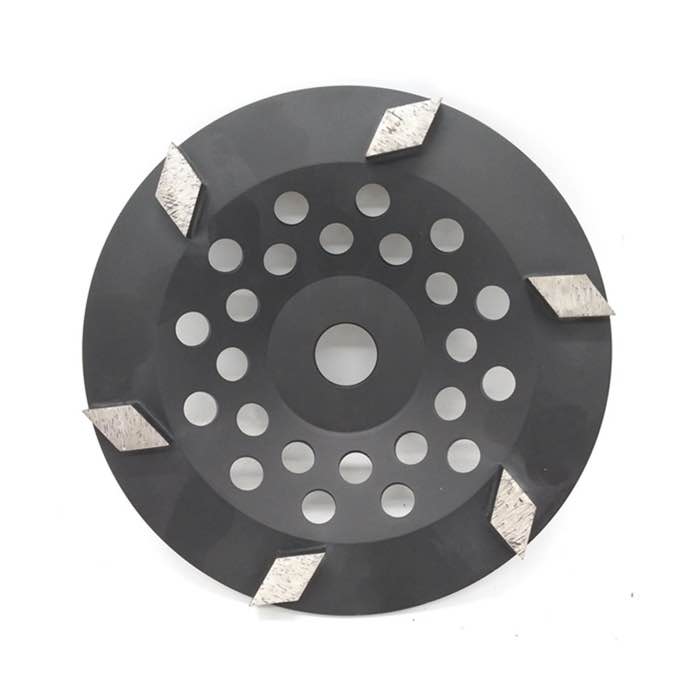
Apply just enough pressure to keep the tooling in full contact with the concrete and let the machine weight do the cutting. For a walk-behind grinder, that usually means your body weight adds only gentle assistance; for a hand grinder, press firmly but evenly with the tool flat. Pushing harder than the diamonds can handle does not speed up grinding, it glazes the segments, overheats the tooling and can damage the machine. The correct pressure is the one that produces steady material removal without slowing the disc speed. For the right tooling on this job, see diamond cup wheel tooling, resin polishing pads.
Diamond tooling cuts best at its rated speed. When you push harder, the disc slows, the diamonds dig in too deep and glaze over, and the bond overheats. The result is slower cutting, more wear and a polished patch on the concrete instead of material removal. Grinding is a balance: enough down force to keep the segments in contact, never so much that the machine bogs down. If the motor note drops or the disc visibly slows, ease off.
On a walk-behind floor grinder, the machine's own weight is usually correct. Let the handle guide, not lift or press. Add extra weight only for aggressive removal with coarse metal-bond tooling, and remove it for finishing passes. On a hand grinder or angle grinder, keep the tool flat, use firm even pressure with two hands, and work in overlapping passes. On a resin polishing pad, use light pressure and slow speed, because resin tooling burns and glazes under heavy load.
Start light, watch the slurry: coarse grinding should throw out a steady stream of slurry or grit. If nothing comes off, add a little weight; if the machine slows, take weight off. Adjust until removal is steady and the disc speed stays high. Over time, the correct pressure becomes automatic: you listen to the motor and feel the tool bite rather than forcing it.
A: Only if the machine is designed for extra ballast and you are using aggressive tooling for material removal. For normal grinding and finishing, the machine weight alone is correct. Never stand on a grinder not built for it.
A: Too much pressure or speed with a resin pad. Resin tooling needs light contact; let the pad polish, and use a spray or water to keep it cool.
A: Light to moderate. Let the blade cut at full speed; if you have to push hard, the blade is wrong, dull or glazed. Forcing a blade is the fastest way to burn it.
Pressure is the most misunderstood part of grinding concrete. Let the machine and tooling do the work, keep the contact even, and adjust by watching the motor speed and the slurry. Grind with the right pressure and the tooling lasts longer, the floor comes out flatter, and the job takes less time overall.
Written and reviewed by JOY TECH — an SGS & BV audited, CE/RoHS certified diamond tools manufacturer founded in 2004, exporting to 50+ countries.
Our factory and QMS are audited by SGS and Bureau Veritas. Products meet CE/RoHS requirements and every piece is 100% inspected before packing.
Verified Certificates
