Average response time: under 24 hours
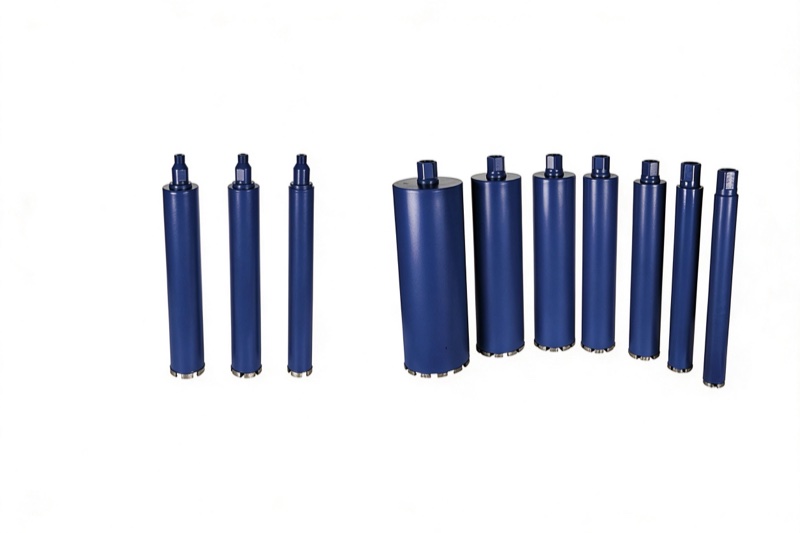
Core drill through tile with a diamond-coated hole saw at low RPM (100-400 RPM for 25-75 mm holes), using water or a lubricant spray, masking the tile with tape to prevent skidding, and stopping as soon as the bit breaks through the glaze. Porcelain and ceramic tile are hard but brittle; high RPM, dry cutting, or levering the bit sideways cracks the tile. Drill through the tile face first, then continue into the mortar or concrete substrate with a masonry bit if the hole goes deeper.
A standard carbide-tipped masonry bit will skate on glazed tile and chip the glaze. Use one of these:
For plumbing and drain holes, a 32-75 mm diamond hole saw is the standard choice. Match the bit diameter to the pipe plus 5 mm clearance, not the pipe itself.
Mark the center with a permanent marker, then apply a 50 mm piece of masking tape or painter's tape over the mark. Tape prevents the bit from skating on the glaze. Double-check the hole location against the tile layout; drilling near a grout line or close to an edge is far more likely to crack the tile than drilling in the field of the tile.
Use a variable-speed drill or a core drill rig. The key parameter is RPM: the harder the tile, the slower the speed. As a starting point:
Hand-held drilling is fine for one-off holes up to 75 mm, but for three or more holes in the same tile field or for diameters over 100 mm, mount a vacuum-anchored rig. A rig holds the bit perpendicular to the face and removes the wobble that cracks large tiles. If the tile is on a wall rather than a floor, a rig is strongly preferred because gravity pulls the bit off line.
If using a regular drill, set it to gear 1 or low gear and speed 1 on the variable trigger. Do not use hammer mode; percussion will shatter the tile.
Start at a 45-degree angle to scratch a shallow guide notch in the glaze, then level the bit to 90 degrees. Apply light, even pressure; let the diamond grit do the cutting. If dry, spray water or cutting fluid onto the cut every 10-15 seconds to keep the bit cool. Stop frequently to clear swarf; a clogged bit overheats and loses its bond. As soon as the bit breaks through the glaze into the hollow mortar bed, reduce pressure further. The moment you feel the bit drop, you are through the tile.
If the hole must go through the mortar bed and into the concrete slab behind, swap to a standard masonry or core bit once the tile is opened. The substrate cuts faster and can be drilled at higher RPM, but keep the bit centered so it does not catch on the freshly cut tile edge. Use a depth stop to avoid drilling past the required depth.
If the tile cracks before the hole is finished, stop immediately. A through-crack in a finished tile floor is not safely repaired with epoxy; the tile must be removed and replaced if the hole is functional. If the hole is cosmetic and the crack is hairline, clear epoxy can stabilize it, but the tile will still show the line. For new installs, drill the tile before setting it whenever possible.
Marble, travertine, and limestone are softer but more prone to chipping; use a continuous-rim diamond bit and more water. Porcelain is the hardest common tile and requires a sintered or vacuum-brazed diamond bit rather than a plated one. Granite and quartzite behave like concrete and can be cut with the same core bits used on slabs.
If the hole lands on a grout line by design, treat grout as mortar: drill at moderate speed and expect the bit to wander slightly. If the hole is meant to go through the tile field, do not drift into a grout joint mid-cut; the abrupt change in material can chip the tile edge. Plan the hole center at least 50 mm from any grout joint.
For tile and stone drilling, use a diamond core bit matched to tile hardness and run wet at low speed.
Written and reviewed by JOY TECH — an SGS & BV audited, CE/RoHS certified diamond tools manufacturer founded in 2004, exporting to 50+ countries.
Our factory and QMS are audited by SGS and Bureau Veritas. Products meet CE/RoHS requirements and every piece is 100% inspected before packing.
Verified Certificates
