Average response time: under 24 hours
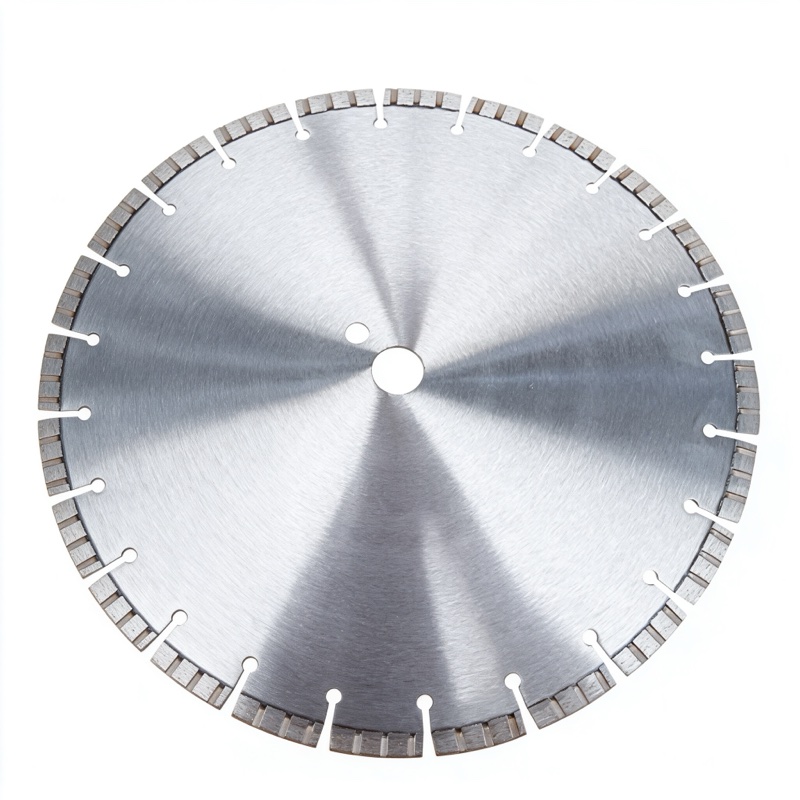
Cut asphalt with a diamond blade made for asphalt, which uses a hard bond and softer segment design so it stays sharp in the abrasive, soft material. Use a walk-behind saw for joints and large cuts, wet cutting to control dust and cool the blade, and set the depth in one or two passes. If you use a concrete blade on asphalt, it will wear fast; the blade must be rated for asphalt. For most joint and patch work, a diamond saw blade matched to asphalt gives clean edges and long life. For the right tooling on this job, see general purpose concrete blades, stone cutting blades.
Asphalt is soft but extremely abrasive; it wears blades by sanding them down rather than chipping them like concrete. A blade for asphalt uses a harder bond that holds the diamonds longer against the abrasive material, plus a segment design that keeps the cut fast. Using a concrete blade on asphalt makes the segments wear away quickly and the cut slows. Conversely, an asphalt blade on concrete glazes and stops cutting. Match the blade to the material, and read the blade label before you start.
Wet cutting is the standard for asphalt: water cools the blade, controls the dust and keeps the kerf clean, which is important because asphalt dust and fumes are unhealthy. Dry cutting works for shallow, short cuts with a blade rated for dry use, but the heat and dust are worse. For joint cutting, patching and utility cuts, set up water if you can. The blade life difference is significant, and wet cutting is safer for everyone on site.
Choose a blade with the correct arbor for your saw, check the blade speed rating, and never exceed the saw's maximum blade size. Guard the blade, wear eye and ear protection, and keep the water supply flowing on wet cuts. Check the segments periodically: if the blade glazes or slows, dress it on an abrasive block. A dull asphalt blade overheats and can crack, so replace it when the cut slows.
A: You can, but it will wear out quickly and cut slowly. Use a blade rated for asphalt for clean joints and reasonable blade life.
A: A walk-behind saw typically cuts 100 to 150mm in one pass. For thicker sections, cut a shallow pass first, then follow at full depth.
A> It carries dust and fume risks, and the saw kickback risk is real. Use water, wear a respirator rated for asphalt fume and dust, and guard the blade properly.
Cutting asphalt cleanly is about matching the blade to the material: a hard-bond asphalt blade, wet cutting where possible, steady full-speed passes and correct depth control. Do that, and joints and patches come out straight and clean with a blade that lasts through the whole job.
Written and reviewed by JOY TECH — an SGS & BV audited, CE/RoHS certified diamond tools manufacturer founded in 2004, exporting to 50+ countries.
Our factory and QMS are audited by SGS and Bureau Veritas. Products meet CE/RoHS requirements and every piece is 100% inspected before packing.
Verified Certificates
