Average response time: under 24 hours
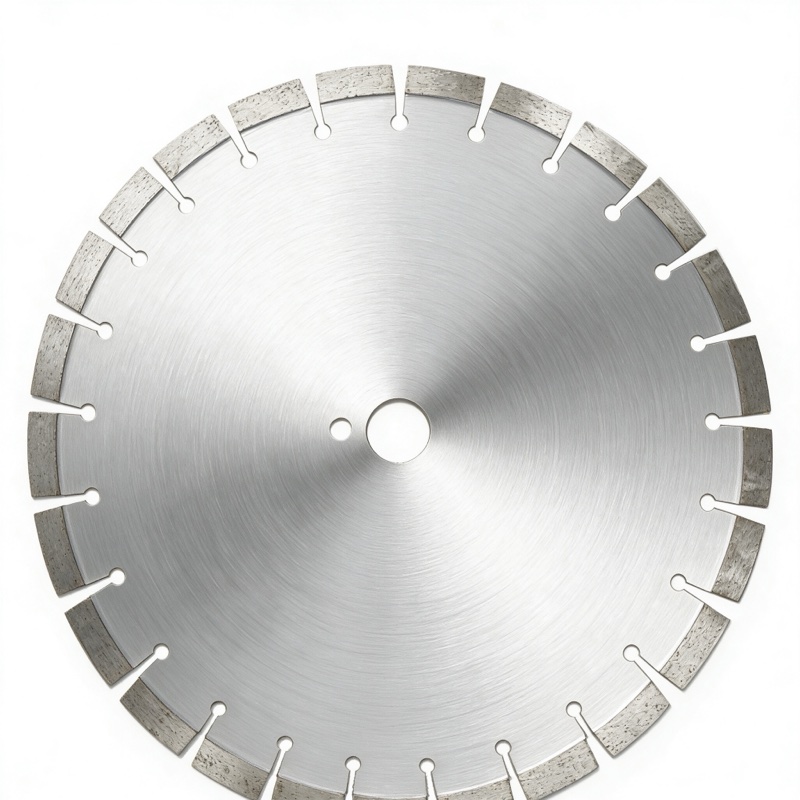
Cut concrete edges cleanly by using a sharp, properly matched blade, making a shallow starter groove before the full-depth pass, keeping water on wet cuts, and never prying the blade. Chipping and spalling happen mainly at the exit side of the cut, so back-cut, support the slab, and reduce feed pressure in the last centimeter. A well-matched bond and a two-pass routine give you saw-cut edges you can seal or leave exposed.
For shallow decorative grooves and clean joint edges, a wall chaser such as the Wall Chaser Diamond Blade — Yellow Segment — JOY-WC-01 cuts a controlled channel; for slab-depth cuts, the Concrete and Asphalt Saw Blade (High Frequency Welded) — JOY-CA-HF runs a smooth, cool kerf that chips less than a dry blade.
| Job | Blade | Edge result |
|---|---|---|
| Finishing saw-cut joints on new slabs | HF-welded, smooth rim | Clean, square edge; minimal spalling |
| Cutting reinforced concrete | Laser-welded segmented | Fast; score first to limit chipping |
| Shallow grooves, chases | Wall chaser blade | Controlled width, contained edge |
| Thin or overlaid slabs | Turbo thin-rim | Less breakout; supports fragile edges |
Match the bond to the concrete: soft concrete wears a hard blade fine, but hard or silica-rich concrete needs a softer bond that keeps diamonds exposed. The Concrete and Asphalt Saw Blade (Laser Welded) — JOY-CA-LW covers the common range; if your edges still chip after scoring, the bond is likely too hard for your mix.
A: As the blade finishes the far side, the last aggregate is unsupported and pops out. Scoring a shallow guide groove and easing feed at the exit almost always fixes it.
A: Wet cutting gives cleaner, cooler edges and captures silica dust. Dry cutting is fine for rough work, but finish cuts on exposed edges benefit from water.
A: Check bond hardness for your concrete mix first. A blade that is too hard glazes and spalls; a softer bond, or dressing the blade on an abrasive block, usually restores a clean cut.
A: Yes, a hand grinder with a diamond cup wheel feathers small chips, but on exposed decorative edges it is cheaper to fix the cut setup than to repair after the fact.
Clean concrete edges come from three habits: score first, match the bond to the mix, and protect the exit. A few minutes of setup saves hours of patching, and it keeps your segments working instead of breaking themselves out. If your saw cuts are meant to be seen — control joints, drain openings, decorative arcs — treat the blade choice and the two-pass cut as part of the finish, not an afterthought.
Written and reviewed by JOY TECH — an SGS & BV audited, CE/RoHS certified diamond tools manufacturer founded in 2004, exporting to 50+ countries.
Our factory and QMS are audited by SGS and Bureau Veritas. Products meet CE/RoHS requirements and every piece is 100% inspected before packing.
Verified Certificates
