Average response time: under 24 hours
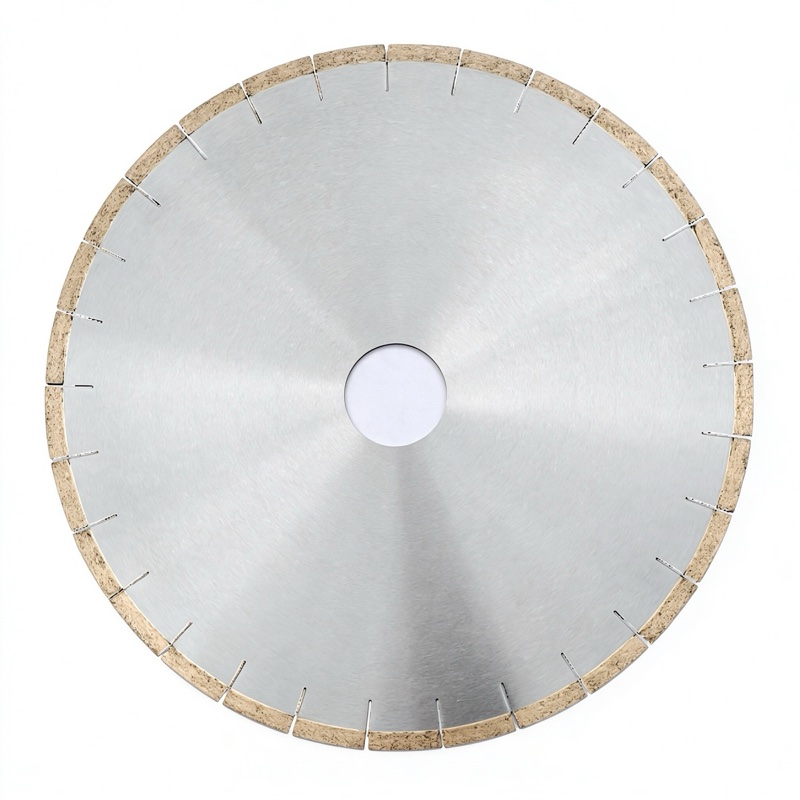
You can cut light concrete, hollow block, brick, and mortar joints with a reciprocating saw fitted with a diamond-grit or carbide-grit demolition blade, but it is not the right tool for clean full-depth slab cuts. Use it for short openings, plumbing notches, and demo work where a circular saw cannot reach; expect about 50-100 mm of practical depth per pass and a rough edge you will later grind or patch.
A reciprocating saw (often called a Sawzall-style tool) shines in tight, awkward spots where a handheld cut-off saw or angle grinder cannot fit. Typical jobs include: notching the bottom of a concrete block wall to run a pipe, cutting embedded rebar that is exposed during demo, trimming a cast-in-place curb edge, or enlarging a small opening in a masonry wall. For a straight, saw-cut control joint in a 150 mm slab, a diamond-blade cut-off saw is still faster and cleaner.
The reciprocating action removes material chip by chip rather than slice by slice, so the cut is rough and slower than a circular saw. It also produces a lot of vibration and dust. Treat it as a demolition and notch tool, not a precision finishing tool.
These blades have a strip of electroplated or vacuum-brazed diamond particles along the cutting edge. They cut cured concrete, stone, tile, and brick cleanly and last much longer than abrasive blades. Choose a 200-300 mm length for most wall and slab notch work. They do not cut rebar well; switch to a bi-metal demolition blade if you hit steel.
Carbide-grit blades use crushed tungsten carbide bonded to the edge. They are cheaper than diamond blades and work well on mortar, green concrete, cinder block, and asphalt. They wear faster on hard aggregate but are a good choice for occasional jobs.
Standard bi-metal blades with tooth sets are for wood, nail-embedded wood, and metal. They will glaze over and bind quickly on cured concrete; do not use them on masonry unless you are only cutting soft mortar joints.
Mark the cut line on both faces of the wall or slab where visible. Put on a P3 or N95 respirator, safety glasses with a face shield, hearing protection, and heavy gloves. Connect a dust extractor if your saw has a shroud; otherwise work wet or accept heavy dust. Wetting the cut line with a spray bottle keeps dust down and cools the blade, but be careful on floors because the slurry is slippery.
To start a cut without a pilot hole, tilt the saw and rest the blade heel against the work at a shallow angle, start the saw at medium stroke, and gradually lower the blade into the material. For hard concrete, drill a starter hole with a diamond core bit instead of forcing a plunge; the blade will bind and overheat.
Run the saw at full stroke rate (typically 2,500-3,000 SPM for a corded tool). Let the blade do the cutting; do not push hard. Excess pressure overheats diamond particles and snaps blades. Let the cut follow the line; the reciprocating action naturally wanders a few millimeters, so leave a finishing allowance.
Practical depth per pass depends on blade length and material. In hollow block you can often cut through in one pass with a 240-300 mm blade. In solid cured concrete, stop at about 60-100 mm, pull the saw out, clear the slot, and either cut from the opposite side or follow with a diamond circular saw for the remaining depth.
Inspect the blade before every use. Any chip in the grit strip or bend in the blade body means replacement. Unplug the tool when changing blades. Support the work so it does not pinch the blade as you cut. When cutting overhead, wear a hard hat and expect slurry to fall; have a drop cloth ready.
After the job, clean the blade with a wire brush and store it flat. A diamond-grit blade that sits in moisture will corrode the bond, so keep it dry.
For finish cuts that require a straight edge within 2 mm, follow the reciprocating saw notch with a diamond grinder or a hand router. The reciprocating saw is a rough-in tool; plan for a second pass.
Written and reviewed by JOY TECH — an SGS & BV audited, CE/RoHS certified diamond tools manufacturer founded in 2004, exporting to 50+ countries.
Our factory and QMS are audited by SGS and Bureau Veritas. Products meet CE/RoHS requirements and every piece is 100% inspected before packing.
Verified Certificates
