Average response time: under 24 hours
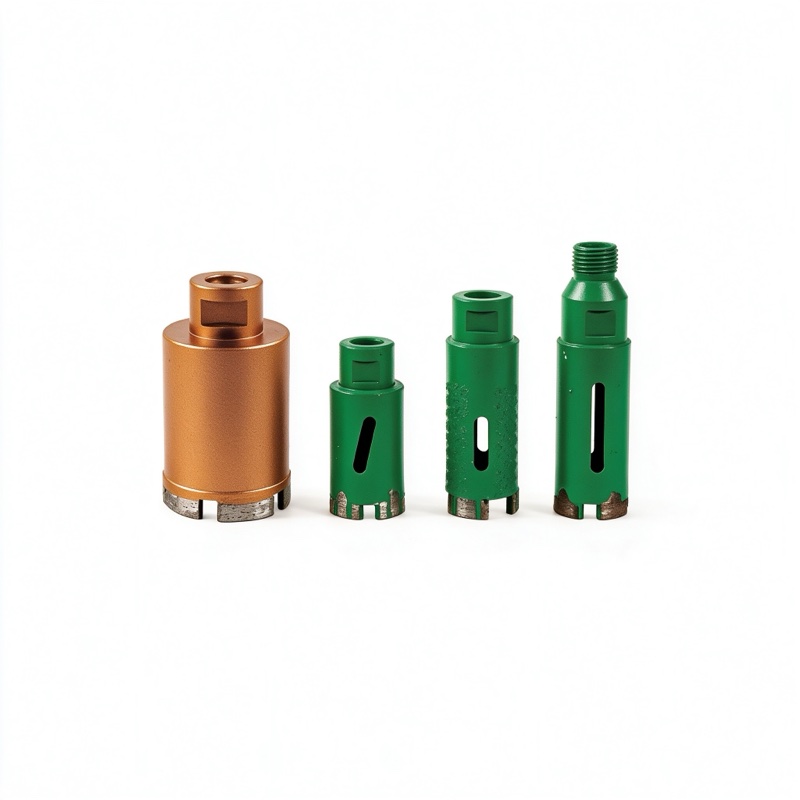
Drilling glass is possible with a diamond-coated hole saw run at low RPM (under 1000 RPM) in pure rotary mode, never hammer mode. Keep the glass wet with water or a lubricant, start at a shallow angle to prevent skittering, and feed with almost no pressure. A diamond stone hole saw designed for glass, tile, and mirror produces a clean round hole without cracking the pane, provided you stop before the bit breaks through the back.
Not all glass can be drilled. Annealed float glass cuts cleanly. Tempered glass cannot be drilled at all; it shatters into pebble-like pieces if you score it. Laminated glass (two panes with a PVB interlayer) can be drilled but requires drilling both sides and clearing the plastic layer with a razor. Insulated double-glazed units cannot be drilled without breaking the seal, which fogs the cavity.
Confirm the glass type first. Look for the small etched logo in the corner of the pane; tempered glass is clearly marked. If you are unsure, do not drill. Replacing a pane is cheaper than a shattered window.
Use a diamond-coated hole saw with a pilot or a guideside ring. Standard twist bits, carbide masonry bits, and hole saws with center pilots will crack glass on first contact. A cordless drill on low torque, set to rotary-only, is ideal. Add a squirt bottle of water or, better, a ring dam of clay around the hole to hold a small pool of coolant.
A long-shank hole saw is useful when you need to reach through a gasket or frame without removing the sash.
Mark the center with masking tape. Press the bit at a 45-degree angle and start the drill at low speed to score a shallow groove. Once the rim has a defined circle, level the drill to vertical. Feed with the weight of the drill only; adding pressure creates heat and cracking.
Keep the cut wet. Stop every 10 seconds to add water and let the bit cool. You should hear a smooth, hissing sound; a grinding or crackling noise means the bit is dry or pressing too hard. When the bit reaches halfway through, slow down further. On the back side, glass is prone to chipping out; reduce feed to near zero and let the diamond wear through the last layer.
| Glass type | Drillable? | RPM | Notes |
|---|---|---|---|
| Annealed float | Yes | 300-800 | Wet, low feed |
| Tempered | No | — | Will shatter |
| Laminated | Yes, both sides | 300-600 | Clear PVB with blade |
| Mirror (backed) | Yes | 300-600 | Protect backing tape |
| Double-glazed IG unit | No | — | Seal will break |
If the pane is tempered, insulated, or badly scratched, drilling is not the right move. Tempered glass is used in doors, low sills, and large modern panes; it cannot be drilled. Double-glazed units fog if the seal is broken, and the only fix is replacement. A handyman may overpromise on drilling these; insist on confirming the glass type with the corner etching before paying for the job.
For sensor holes, vent holes, or lock holes in custom glass, order the pane pre-drilled at the glass shop. Factory drilling is cheaper than a field attempt, and the pane carries a warranty that a drilled-in-the-field pane loses. Reserve field drilling for small, annealed, replaceable panes where a mistake is low-cost.
Once the hole is through, rinse the glass with clean water to remove slurry. Use a wet diamond hand pad or a piece of fine wet-dry sandpaper to break the sharp edge on both sides of the hole. A sharp edge catches gaskets and screws, and it can cut fingers during installation. Wipe with a glass cleaner and inspect the hole against a bright light; hairline cracks running away from the edge mean the glass was stressed and should be replaced before you rely on it.
For multiple holes in the same pane, space them at least 3 inches apart and at least 2 inches from any edge. Drilling too close to an edge causes the glass to split outward. If you need a row of holes, mark them all, pilot each at low speed, then finish each one in sequence so the glass stays at a consistent temperature.
No. Tempered glass is heat-treated and in a state of surface compression; any penetration releases that stress and the pane shatters. Replace the glass instead.
Under 1000 RPM, and ideally 300-600 RPM. Higher RPM generates heat, which is the main cause of cracked glass.
Yes. Water cools the diamond and flushes glass slurry. Without cooling, the bit glazes and the glass heats, micro-cracks, and fails.
Up to about 25 mm (1 inch) on a handheld drill. Larger holes need a drill press or a ring saw to keep the cut even.
Drilling glass is a patience exercise, not a force exercise. Choose the right diamond hole saw, keep the RPM low, keep the cut wet, and never touch tempered or insulated units. With care, you can add a lock, vent, or sensor hole without replacing the pane.
Written and reviewed by JOY TECH — an SGS & BV audited, CE/RoHS certified diamond tools manufacturer founded in 2004, exporting to 50+ countries.
Our factory and QMS are audited by SGS and Bureau Veritas. Products meet CE/RoHS requirements and every piece is 100% inspected before packing.
Verified Certificates
