Average response time: under 24 hours
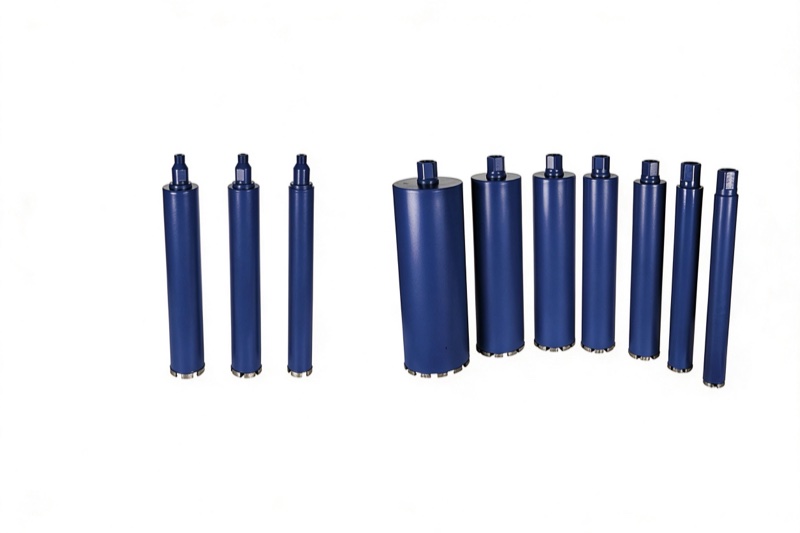
Drilling through a concrete balcony slab for a drain, cable pass-through, or railing anchor requires a wet diamond core drill, a rebar scan, and careful water control so slurry does not run off the edge and damage finishes below. Core vertically, keep the hole 2 inches in from the slab edge, and seal the penetration with a flexible boot once the pipe or conduit is in. Use a diamond core drill bit sized to the penetration, never a hammer drill, because the thin slab is prone to cracking.
Balcony slabs are usually 4-6 inches thick, reinforced with top and bottom rebar mesh, covered by a waterproof membrane, and often clad with tile, stone, or pavers. They cantilever from the building, so the edge is the most highly stressed area. Drilling within 2 inches of the free edge can spall concrete or crack the tile finish. Drilling without scanning can cut the top rebar that holds the slab together.
Water control is the other challenge. Wet coring on a balcony means slurry will run downhill. Plan a containment setup: a ring dam of clay or duct tape around the hole, a wet/dry vacuum on hand, and a tarp draped over the edge to protect whatever sits below. Never let slurry drip onto a lower balcony or facade.
For railing anchor holes, the builder likely already positioned sleeves; if not, use wedge anchors set into the slab with a 5/8 inch diameter hole, not a full core. Full coring is reserved for pipes, drains, and cable runs.
| Task | Hole size | Bit | RPM |
|---|---|---|---|
| Drain outlet | 2-3 inches | Turbo segmented wet | 600-1000 |
| Cable conduit | 1-1/2 to 2 inches | Segmented wet or dry | 800-1200 |
| Refrigerator line | 3-4 inches | Turbo segmented wet | 500-800 |
| Railing anchor | 5/8 inch | SDS masonry bit | 1000-1500 |
Use a handheld core rig for holes up to 4 inches; above that, rent a vacuum-base rig. Feed water through a water valve adapter and start with a slow, centered cut. Drill straight down; angled holes make waterproofing difficult.
Once the pipe or conduit is through, center it and seal. Use a flexible rubber boot flange rated for exterior use, clamped to the pipe, and bedded in polyurethane caulk. For cable pass-throughs, use a waterproof grommet. Re-lap the waterproof membrane over the boot flange if the slab has a membrane finish; this is the most common failure point on balcony penetrations.
Backfill the annular gap with backer rod before sealing the top surface so the caulk does not sag. Test the seal by running water on the slab and watching for leaks below. If water appears, pull the boot and re-bed it before re-tiling.
On multi-unit buildings, the balcony slab is part of the shared structural envelope. Most HOAs and property managers require written approval before drilling, and some specify which contractors can do the work. They may also ask to see a warranty and require that the waterproofing be re-applied by a licensed waterproofing company. Skipping this step can mean a court order to remove the post and restore the slab at your cost.
After sealing, schedule a follow-up rain check. Walk the balcony after a heavy storm and look at the ceiling of the unit below. A slow leak can take weeks to show as a stain; catching it early means a quick re-caulk, not a ceiling rebuild. Keep photos of the penetration and the boot flange for your records.
A penetration on a balcony disrupts the drainage slope. After the pipe or sleeve is in, feather the waterproofing and mortar around the base so water runs away from the boot, not toward it. A low spot around the flange traps water and shortens the life of the sealant. On tiled balconies, re-grout the tile around the penetration with a flexible grout, not a rigid cement grout, because movement at the slab edge will crack rigid grout within a season.
Small 1-2 inch holes in an owned slab are DIY-friendly with a rented core rig. Multi-unit buildings and structural balcony slabs should be drilled by a licensed contractor.
You must re-lap the membrane over the new penetration, not just caulk. Caulk alone cracks within a few years and causes leaks into the ceiling below.
Minimum 2 inches from a free edge. Closer than that risks edge spalling and structural cracks in a cantilever slab.
Wet drilling is preferred for concrete because it extends bit life and controls silica dust. On a balcony, contain the water carefully so slurry does not run off.
Balcony slab drilling is a controlled operation: scan, contain, core vertically, and waterproof the penetration like the rest of the building envelope. Treat the hole as a potential leak path and it will stay dry for decades.
Written and reviewed by JOY TECH — an SGS & BV audited, CE/RoHS certified diamond tools manufacturer founded in 2004, exporting to 50+ countries.
Our factory and QMS are audited by SGS and Bureau Veritas. Products meet CE/RoHS requirements and every piece is 100% inspected before packing.
Verified Certificates
