Average response time: under 24 hours
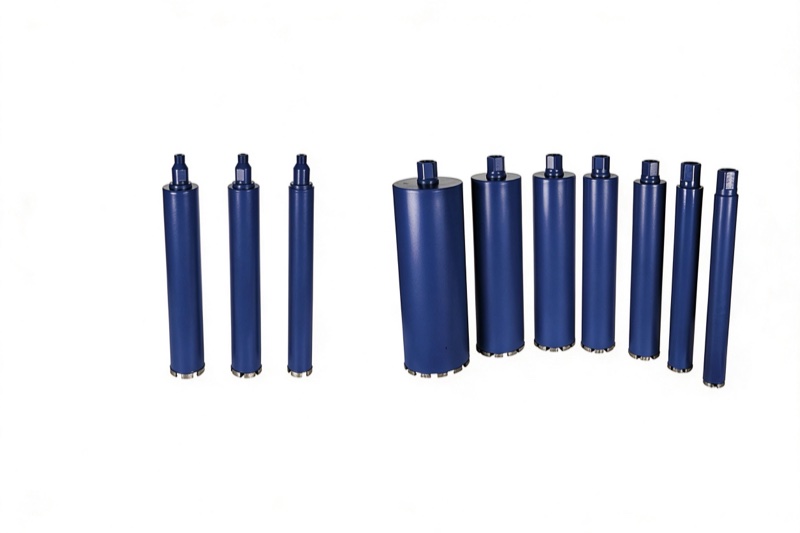
To add a post anchor to an existing concrete patio, mark the post base location, core a 3-4 inch hole through the slab with a wet diamond core drill, set a galvanized post base wedge anchor or pour a small concrete pier into the hole, and seal the gap with flexible caulk. Stay at least 6 inches from the patio edge, scan for rebar and underground lines, and avoid hammering the slab because edge cracks will spread. A diamond core drill bit sized to the post base makes a clean, round penetration without weakening the slab.
Patios are 4-6 inches thick, often reinforced with wire mesh, and poured over compacted gravel. Drilling a post base anchor is usually straightforward, but placement matters. Stay 6 inches or more from the free edge so the anchor does not pull out the corner of the slab. Stay away from expansion joints; drilling on a joint weakens the slab on both sides.
Check what is under the patio. Gas, electric, irrigation, and drainage lines often run under patios to feed the backyard. Use a pipe locator or dig a small test hole before coring. If you hit an irrigation line, repair it before setting the post; doing it after the post is in place is miserable.
| Post size | Post base type | Anchor bolt | Hole size |
|---|---|---|---|
| 4x4 fence or shade sail | Galvanized wedge base | 2 x 1/2 inch wedge anchors | 1/2 inch holes, no core |
| 6x6 pergola post | Hot-dip galvanized post base | 4 x 1/2 or 5/8 inch wedge anchors | 5/8 inch holes, no core |
| Large deck or gazebo post | Epoxy-set J-bolt | 5/8 inch J-bolt, 6 inch embed | 3 inch core, epoxy |
| Freestanding gazebo | Concrete pier in core hole | Rebar dowel + concrete | 4-6 inch core |
If you are simply bolting a post base to the slab, you do not need a core drill. Use a hammer drill with a carbide bit for wedge anchor holes. You only core when you need to set a pier, epoxy a J-bolt deep into the slab, or run a conduit through. For shallow anchor holes, a segmented core drill is overkill; an SDS hammer drill is faster.
Mark the center, set a centering guide, and start the wet core bit at low speed. Use a water valve adapter to feed a steady 1-2 liters per minute. Keep the rig perpendicular; a leaning core hole makes the post base sit crooked. Feed at 500-900 RPM for a 3-4 inch barrel.
As the bit nears the bottom of the slab, slow the feed. The last 1/2 inch can chip the underside of the concrete and send gravel flying. Once the core drops, lift the barrel, flush the hole, and remove the plug. If you are setting a pier, drop in a length of rebar dowel extending 12 inches below the slab (drill a small pilot hole into the sub-base if needed), then fill the core with non-shrink grout.
For wedge anchors, blow dust out of the hole, set the anchor, and tighten to the manufacturer's torque. Do not over-tighten; cracking the slab around the anchor defeats the purpose. For epoxy-set J-bolts, inject epoxy from the bottom up, insert the bolt, and let it cure 24 hours before loading the post.
Seal the top of the core hole or the anchor line with polyurethane caulk so rain does not pool in the slab and freeze. In cold climates, water trapped around a wedge anchor expands in winter and can spall the concrete. A bead of caulk around the post base flange prevents this and keeps insects out.
Before drilling, check the slab thickness by finding an edge or knocking a small test hole. A 3 inch patio slab is not designed to carry a 6x6 pergola post; wind loads can pry the slab corner up. In that case, extend a separate concrete footing 12 inches below grade next to the patio, set the post in that footing, and anchor the patio slab to it. Do not try to make a thin slab carry a load it was not designed for.
Also check the sub-base. Patios poured over poorly compacted soil sink over time. A post anchored to a sinking patio follows the slab down, which cracks the post and the bracket. If the patio shows settlement cracks near the planned post, fix the soil issue before setting the post.
Yes, if the patio is at least 4 inches thick and reinforced. For heavy structures like a gazebo, a small concrete pier core is safer than surface wedge anchors.
A 1/2 inch wedge anchor needs a minimum embedment of 2-1/4 inches into the concrete. On a 4 inch slab, that leaves 1-3/4 inches, which is acceptable for light posts but marginal for wind-loaded pergolas.
For a bolted post base, drill anchor holes with a hammer drill. Core only when you are setting a pier, epoxy anchor, or running conduit through the slab.
A 3 inch slab is thin for post anchors. Consider extending a new concrete footing next to the patio rather than bolting to the slab itself.
Adding a post base to an existing patio is a weekend project when you choose the right anchor, scan underground lines, and drill clean holes. Use wedge anchors for light posts, core piers for heavy structures, and seal every penetration so rain and frost do not undo the work.
Written and reviewed by JOY TECH — an SGS & BV audited, CE/RoHS certified diamond tools manufacturer founded in 2004, exporting to 50+ countries.
Our factory and QMS are audited by SGS and Bureau Veritas. Products meet CE/RoHS requirements and every piece is 100% inspected before packing.
Verified Certificates
