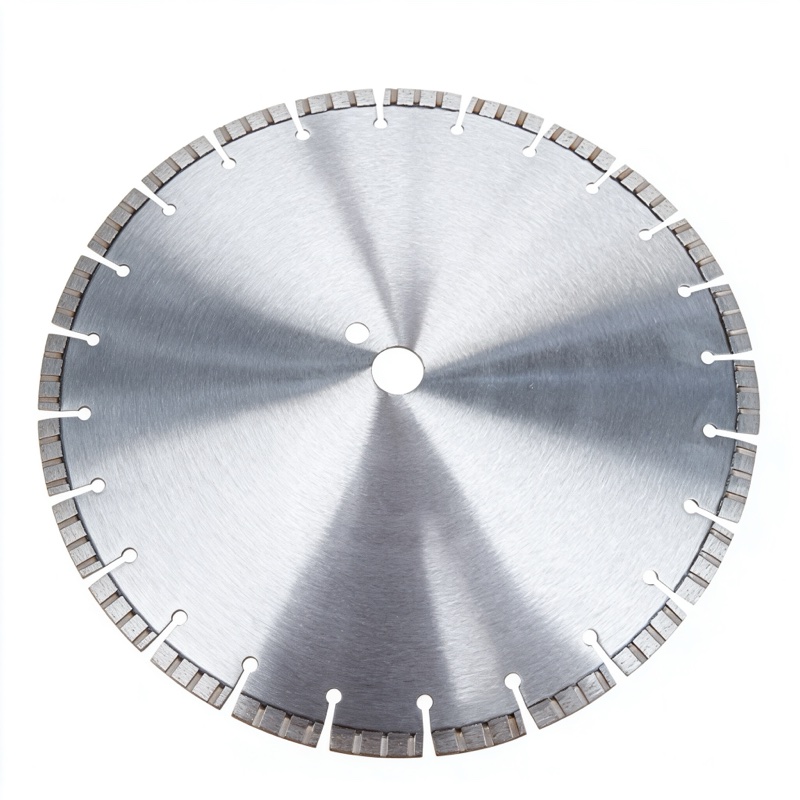
A reliable Chinese diamond tool manufacturer is identifiable by four checks: a real production floor (not a trading showroom), consistent sample performance on your own material, written quality-control records, and engineers who can discuss bond formulas rather than just quoting prices. Shortlist three factories, ask for free samples, test them on your actual concrete or stone, and only then place a trial order. Price alone is the worst filter in this industry.
Diamond saw blades, core bits, and grinding discs look identical on a photo. Two blades with the same diameter and segment height can differ tenfold in cutting life because of diamond grit size, bond hardness, and weld quality. A factory that wins on price often skips on diamond concentration — and you discover it only after the container lands.
At JOY TECH, we manufacture diamond saw blades, core drill bits, and grinding discs in-house and welcome factory video calls.
Never place a container order without testing samples on your own material. Ask for 2–3 free samples of the blade or bit you actually plan to stock. Then:
A sample that cuts 30% longer than your current supplier justifies a 5–10% price premium. A sample that cuts half as fast is a factory to walk away from, no matter how low the price.
If you can travel, a two-day factory visit tells you more than a month of email. Walk the welding line first: laser welders should be clean, with operators wearing earmuffs and monitoring machine parameters. Then visit the sintering furnace: temperature records should be logged per batch. Finally, the QC room should have a dial indicator, calipers, and a test stand. Factories that cannot show you these three rooms are trading. Ask the sales engineer to introduce you to the production manager — if no one knows their name, the sales team is reselling. Take photos of the equipment. You will use them later to compare against other factories.
A shortlist of two or three factories should each provide two references from buyers in your country or region. Call those buyers, not just email them. Ask three questions: how long has the relationship lasted, what was the biggest problem and how was it resolved, and would you order again? Reference calls take twenty minutes and reveal more than any catalog. If a factory refuses references, treat it as a warning. Established buyers are usually happy to talk — a good supplier is as valuable to them as it is to you. Write down what they say; it will sharpen your own expectations.
A: Direct factory saves 10–20% and gives you engineering support. A good trader adds value only if they consolidate multiple factories and handle QC themselves.
A: Yes. Ask for a live video walkthrough. Factories that refuse are hiding something.
Plan two to four weeks: shipping one week, testing one to three weeks on real jobs.
EN13236 for Europe, OSHA/ANSI for North America, and MPA approval for serious stone and concrete buyers.
The right Chinese diamond tool partner is a factory that talks bonds, shows its line, and sends samples that cut. Spend time on vetting now and you will not spend a year dealing with warranty claims later. Contact JOY TECH to request samples and a factory walkthrough.
