Quick Answer
Grinding tools load up when the bond is too hard for the material, or when you are cutting soft, sticky substances (epoxy, glue, paint) with the wrong segment. The fix is to switch to a PCD disc, dress the loaded tool on an abrasive brick, slow the feed, and keep the tool cool. Never keep grinding with a loaded disc—it just smears the residue around.
Why Tools Load Up
- Wrong bond: hard metal bond on soft, sticky material does not wear back.
- Sticky coatings: epoxy, mastic, VCT glue, asphalt cutback melt onto the segments.
- Too much pressure: overheating softens the bond and smears it.
- No airflow: sealed disc design traps heat and residue.
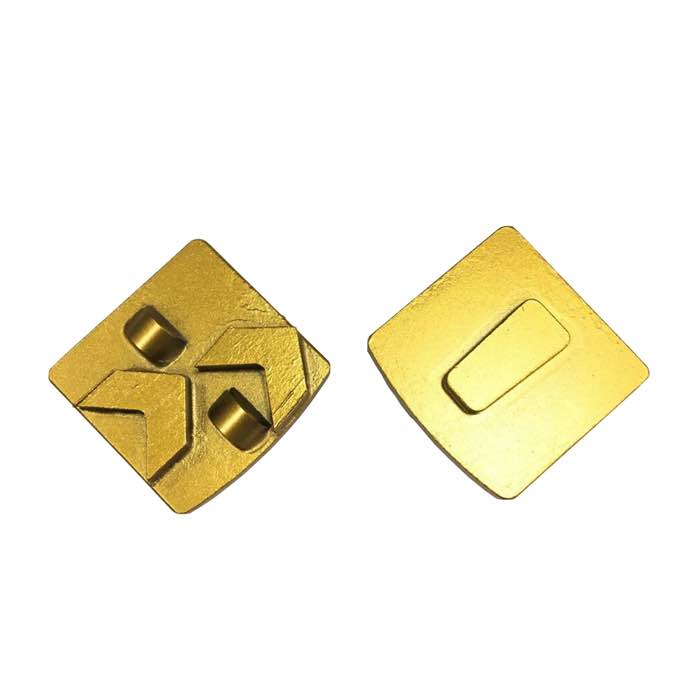
Our Husqvarna Redi-Lock PCD discs is built with chip-breaker grooves that resist loading on epoxy.
How to Unload a Loaded Disc
- Stop and inspect the segment. If it is shiny or coated black, it is loaded.
- Dress it on an abrasive brick or a worn-out concrete pad for 30 seconds.
- Switch to a PCD disc for the rest of the coating removal.
- Resume metal-bond grinding only after the slab is clean.
Prevention
- Start every coating-removal job with PCD, not metal bond.
- Use segmented discs with open gullets; closed discs load up faster.
- Run the grinder at the correct speed; slow feed, let the diamonds cut.
- Dry grind with HEPA extraction. Wet grinding softens sticky coatings further.
See our concrete grinding discs category for PCD and open-segment metal bond tools.
Frequently Asked Questions
Q: Can I burn off the residue with a torch?
A: No. Heat warps the steel core and weakens the segment weld. Dress on abrasive brick instead.
Q: Why do new discs load up immediately?
The bond is too hard for your material. Switch to a softer bond or PCD.
Q: Is it okay to keep grinding through a loaded disc?
No. You are not cutting anymore; you are heating and smearing. Stop and dress or change.
Conclusion
Loading is a bond-selection problem. PCD for sticky coatings, open segments for general grinding, and light pressure keep tools cutting. contact JOY TECH for bond recommendations based on the coatings you typically remove.