Average response time: under 24 hours
Quick Answer: Polished concrete color varies when densifier is applied unevenly, the surface is ground to different grits, or water is used inconsistently during polishing. Standardize the grind sequence, apply densifier at the same time across the whole floor, and dry-polish consistently to get one even tone.
Concrete color comes from the cement paste, sand, and aggregate, plus how open the surface pores are. Darker patches usually mean denser, more polished paste. resin polishing pads or residual laitance; lighter patches mean open pores or over-grinding into aggregate. Uneven densifier soaks into some zones and leaves others thirsty, creating a blotchy wet-look difference. Old stains, curing compounds, and patch repairs also read as color change until they are ground out.
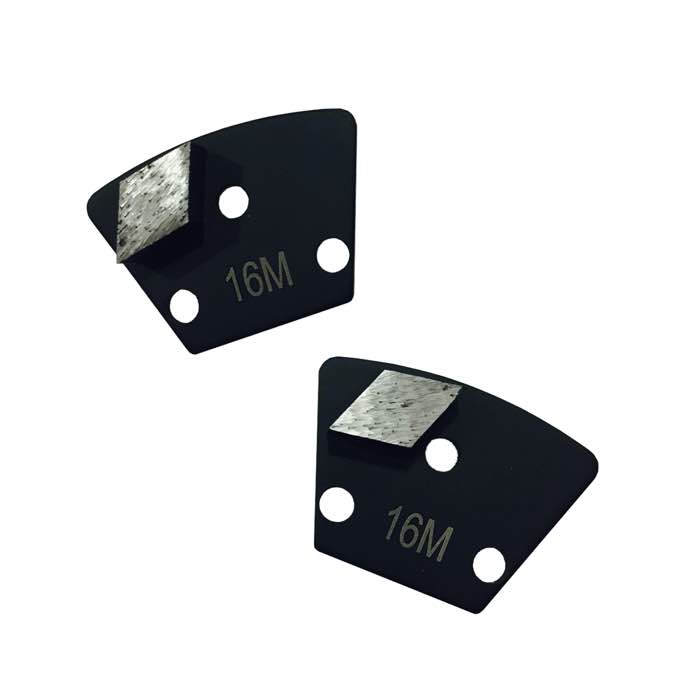
Run the same grits on every zone and check the paste coverage as you go. A floor that is ground to 120 grit in one area and 220 in another will never read the same tone. Finish the whole slab at one grit before moving finer, and re-check the perimeter so hand-worked edges match the machine zones. A round-segment metal bond disc set gives a uniform scratch profile, which is the foundation of even color.
Apply densifier at the same coverage rate across the entire floor in one session, before moving to the resin stage. Work it into the surface with the machine so it penetrates evenly, and do not spot-apply it later or the touched-up zone will darken. On very porous slabs, two coats at the same rate even out absorption, and any excess should be rinsed before it dries white.
If the client wants color, apply dye or stain after the densifier and before the final resin passes. Water-based dyes give a translucent, even tone; acid stains react with the paste and vary naturally, which suits a mottled look. For the most uniform result, use the same product, the same dilution, and the same application method across the floor, and test a corner first. Color hardener or pigments can also be floated. densifier and resin tooling into new concrete to pre-set the tone.
Sometimes. Re-apply densifier evenly to the dull zones and re-polish with fine resin pads. If the blotch comes from a grit difference, re-run that zone at the floor's grit level, then finish with a uniform burnishing pass.
Grinding opens the paste and densifier soaks in deeper, darkening the tone. Consistent grit and even densifier application keep the darkening uniform across the whole floor.
Even color comes from a standardized grit sequence, one densifier session at a consistent rate, and uniform resin finishing. Use the same products and timing on every zone, and the polished floor reads as one clean, consistent tone.
Written and reviewed by JOY TECH — an SGS & BV audited, CE/RoHS certified diamond tools manufacturer founded in 2004, exporting to 50+ countries.
Our factory and QMS are audited by SGS and Bureau Veritas. Products meet CE/RoHS requirements and every piece is 100% inspected before packing.
Verified Certificates
