Average response time: under 24 hours
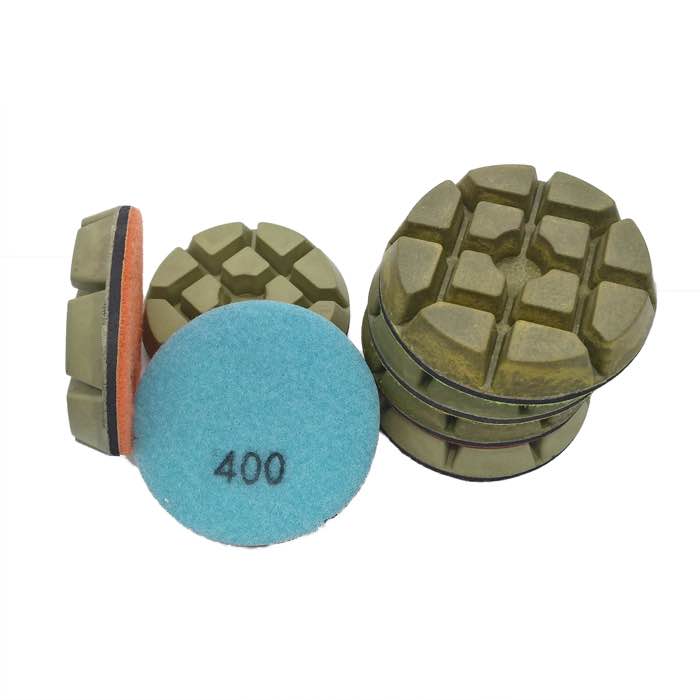
To get a matte finish on polished concrete, stop the grinding sequence at 400 to 800 grit resin-bond stage, apply a penetrating densifier but do not burnish with high-speed burnish pads, and finish with a matte concrete sealer rather than a glossy guard. The target sheen is 10-30 units when measured at 60 degrees, versus 60-80 units for a high-gloss floor. Over-running the 1500 or 3000 grit steps will push the surface toward gloss and ruin the matte look.
Matte concrete is not rough concrete. It is a floor that has been ground flat, densified, and sealed, but left at a low-sheen grit so light scatters rather than reflects in a mirror. A true matte floor hides dust, footprints, and tire marks far better than a polished floor, which is why offices, restaurants, and healthcare facilities often specify it. Sheen is measured with a 60-degree gloss meter: under 10 is satin-matte, 10-30 is matte, 30-60 is satin, and 60+ is high gloss.
Run the standard wet or dry diamond sequence but stop early. A typical matte path looks like this:
Densifier is what makes a low-grit floor durable enough to walk on. Without it, 400-grit concrete will dust and wear quickly. Apply densifier evenly, let it soak in, and buff off the cream with a 100-200 grit pad. Do not let densifier dry into a white haze; that haze shows under matte sheen far more than under gloss.
The single biggest mistake is finishing a matte floor with a glossy burnish guard. Use a matte or low-sheen penetrating sealer, or a water-based acrylic guard rated for 10-25 sheen. Apply a thin single coat; two coats push sheen up. Avoid solvent-based film-forming sealers, which always add gloss.
Several small choices accidentally turn a matte floor glossy:
If a floor comes out shinier than specified, do not recoat it. Abrade the surface with a 400-800 grit resin pad under a low-speed swing machine (about 300 RPM), remove the slurry, let it dry, and reapply a matte penetrating sealer. This strips the film and returns the surface to its native low sheen. Re-measure with the gloss meter after sealer cure.
Matte floors are naturally less slippery than high-gloss floors because the surface scatters light rather than reflecting it. In wet areas, you can expose fine aggregate at the 120-grit step for extra traction without raising sheen. For a matte floor in a restaurant entryway or restroom corridor, specify a fine aggregate exposure rather than a cream finish.
Dust mop daily and wet mop with neutral pH cleaner. Do not use high-speed burnishers for routine maintenance; a low-speed automatic scrubber with a red pad is enough. Reapply matte guard every 1-2 years as needed, never more than one thin coat. Avoid ammonia or acidic cleaners, which can etch the densified surface and create shiny patches.
A matte floor hides dust, footprints, smudges, and scratches far better than a high-gloss floor. In a busy lobby or restaurant, you will clean less often because light scatters instead of highlighting every mark. Matte floors also read warmer and more residential, which is why hospitality and education projects often specify them. The tradeoff is that matte does not show the aggregate beauty of a polished floor as dramatically; if you want to see the stone, an 800-grit satin-matte is a compromise.
Specify the floor by gloss meter units, not by words like "matte" or "low sheen," because those terms mean different things to different crews. Test the floor in three spots after sealer cure and again after the first maintenance cycle. If the floor comes in at 40-50 gloss units instead of the specified 10-25, the crew almost certainly over-ran the grit sequence or used the wrong guard. Document the readings before sign-off.
For consistent low-sheen results, work through resin polishing pads up to 400 or 800 grit only.
Written and reviewed by JOY TECH — an SGS & BV audited, CE/RoHS certified diamond tools manufacturer founded in 2004, exporting to 50+ countries.
Our factory and QMS are audited by SGS and Bureau Veritas. Products meet CE/RoHS requirements and every piece is 100% inspected before packing.
Verified Certificates
