Average response time: under 24 hours
For acid stains, grind to 100–200 grit and then open the pores again by scrubbing with a buffer. For penetrating dyes you can stop at 200 grit; for high-gloss polishing, continue to 1500 grit and beyond.
Stain does not penetrate if the floor is ground too fine; it looks blotchy if the pores are not opened. The grit step is critical.
For acid stains, grind to 100–200 grit and then open the pores again by scrubbing with a buffer. For penetrating dyes you can stop at 200 grit; for high-gloss polishing, continue to 1500 grit and beyond.
Use a soft bond on hard, dense concrete; use a hard bond on soft, abrasive concrete. When segments glaze over too fast you need a softer bond; when they wear in minutes you need a harder bond.
No — aggressive metal-bond shoes are for early grinding, and resin-bond pads are for polishing stages. Mixing them wastes diamonds and ruins the scratch pattern.
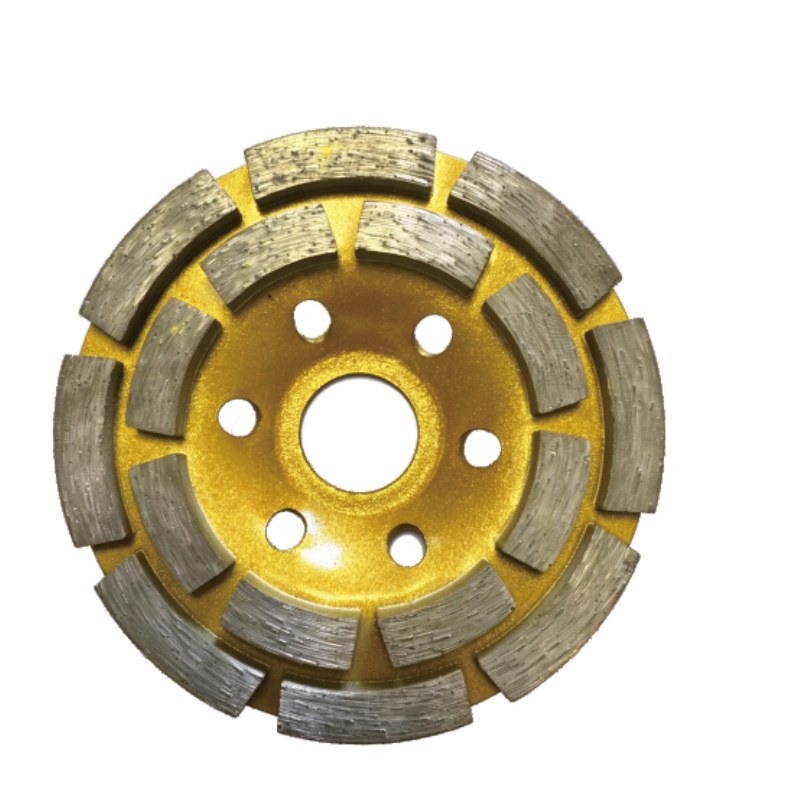
Yes. JOY TECH manufactures trapezoid grinding shoes, PCD grinding shoes and cup wheels in custom bonds, sizes and segment shapes for global distributors and floor prep contractors.
Getting consistent results on a concrete floor comes down to matching the right diamond tool, bond and grit sequence to the job — and avoiding the common mistakes that scratch, glaze or gouge the slab. For OEM/ODM grinding shoes in your own brand, contact JOY TECH today.
Escrito y revisado por JOY TECH - fabricante de herramientas de diamante auditado por SGS y BV, certificado CE/RoHS, fundado en 2004 y con exportaciones a más de 50 países.
Nuestra fábrica y sistema de gestión de calidad son auditados por SGS y Bureau Veritas. Los productos cumplen los requisitos CE/RoHS y cada pieza se inspecciona al 100 % antes del embalaje.
Verified Certificates
